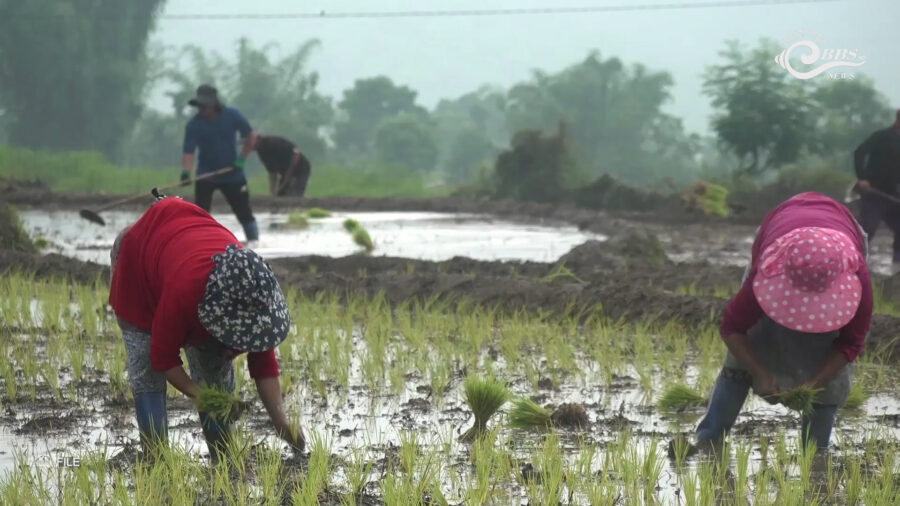
 With the National Crop and Livestock Insurance Scheme struggling to attract farmers, the National Council members called on the government to raise its subsidy. They said, despite the government providing 50 per cent of the insurance premium in the current model, farmers are not able to afford the other half. Today, agriculture remains the lifeblood of rural Bhutan with more than 40 per cent of the country’s labour force depends on farming and livestock for their livelihoods.
The members suggested 80:20 premium-sharing model, under which the government would cover 80 per cent of the insurance cost and farmers would pay the rest.
The suggestion comes against the lukewarm response the insurance scheme has received so far. Seven months since its launch, only 99 households from seven districts have enrolled in the scheme. For an initiative meant to serve tens of thousands of farming families, the uptake is strikingly low.
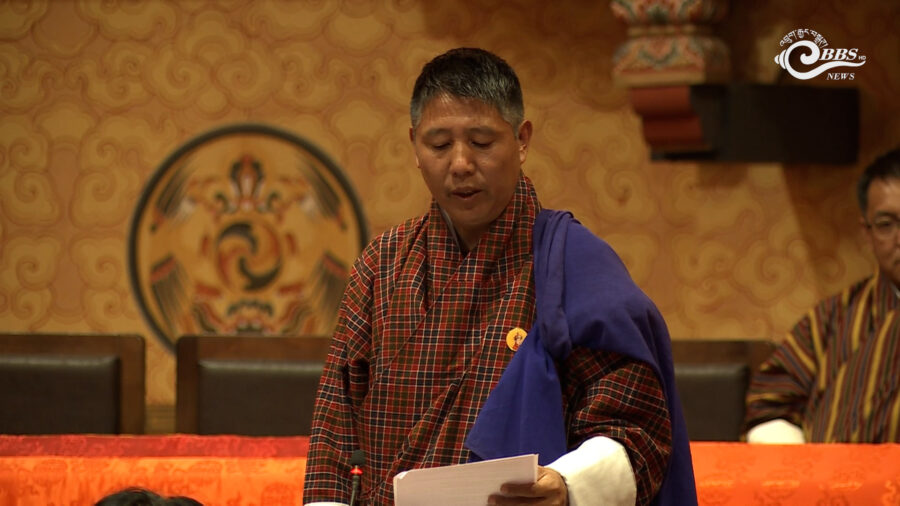 Leki Tshering, Thimphu MP, NC said, “Firstly, the 50 per cent subsidy by the government makes it challenging for the people to pay 50 per cent of the insurance. Secondly, the 5 per cent GST have also made it difficult. Moreover, a lengthy claim procedure and administrative issues have made it challenging.”
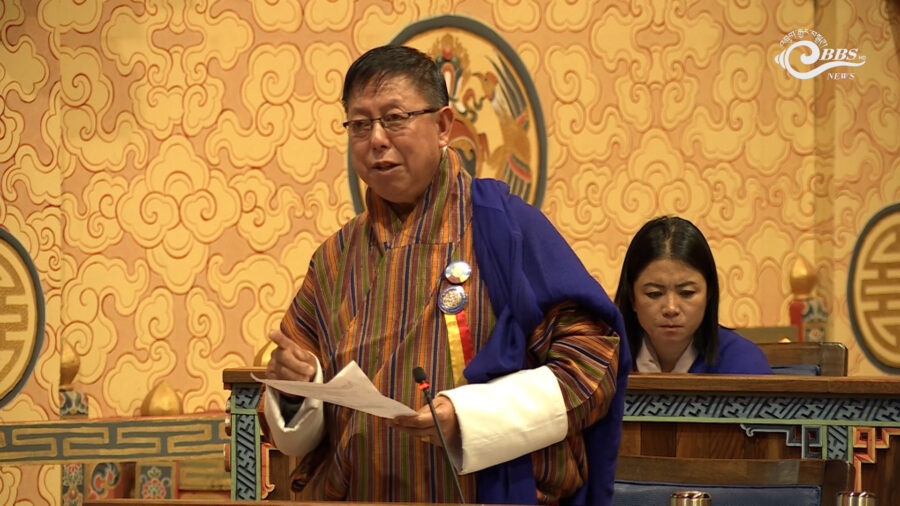 Ugyen Tshering, Paro MP, NC said, “We suggest providing an 80 per cent subsidy. If the government pay 80 per cent and the people pay only 20 per cent, for Rice, Maize, Potato, and Orange, the government will have to pay 133.46 million in a year. For livestock such as poultry, piggery, and cattle, the government will have to pay 2131.50 million per year.”
According to Agriculture and Livestock minister Younten Phuntsho, the government considered various premium-sharing arrangements and found that going beyond the current subsidy would impose an unsustainable burden on public finances.
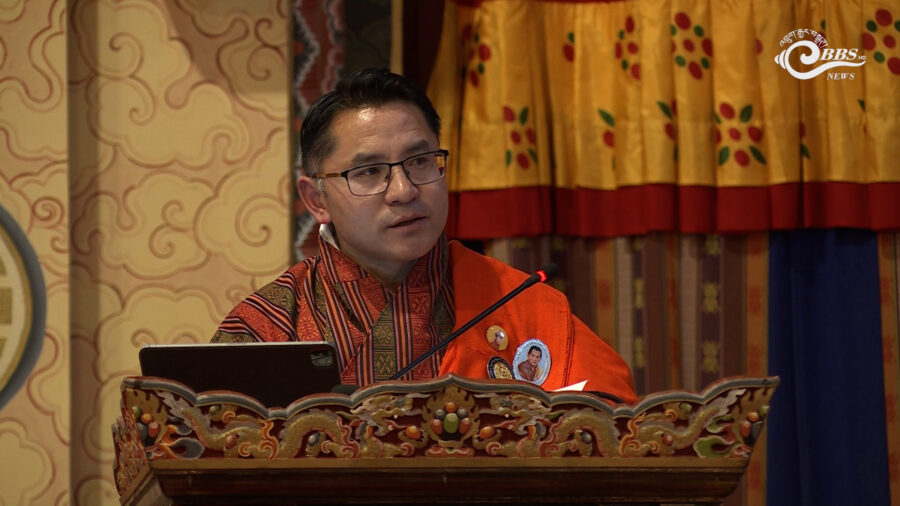 “If the government pay 80 per cent, incur losses of Nu 5.6bn in three years. Similarly, if the government pays 70 per cent and people pay 30 per cent, almost 5 billion, about Nu 4.9bn. ”
He added that the low uptake is also partly because of the scheme being new. He said the government is stepping up awareness efforts.
Separately, a member asked whether the scheme could be expanded to include cardamom and areca nut. The minister said the current seven commodities were selected based on production capacity and other criteria.
The insurance scheme was initiated with a budget of Nu 800 M under the Economic Stimulus Programme. It aimed at providing financial security to farmers against losses incurred due to climate hazard, pests, disease, and human-wildlife conflict. The scheme covers seven commodities of paddy, maize, potato, orange, cattle, piggery, and poultry.
Singye Dema