 Imagine walking into a building, only to find that you cannot access the next floor or even use the washroom. For people living with disabilities in the country, such barriers are a daily struggle, as most of the infrastructure is not disability friendly. To change this, planners, engineers, architects, contractors, and Civil Society Organisations met in Thimphu to promote inclusive design and ensure that accessibility is considered from the planning stage of every infrastructure project.
Poorly designed infrastructure can limit access to basic services, independence and social participation for persons living with disabilities.
They continue to face these barriers despite Bhutan becoming a member of the Convention on the Rights of Persons with Disabilities in 2010 and adopting the National Policy for Persons with Disabilities 2019.
Under Article 9 of the Convention on the Rights of Persons with Disabilities, each state has a legal duty to provide access to the physical environment, transportation, and public services on an equal basis to people living with disabilities.
The Department of Human Settlement, in collaboration with the Disabled People’s Organisation and United Nations Development Programme, is working to change this.
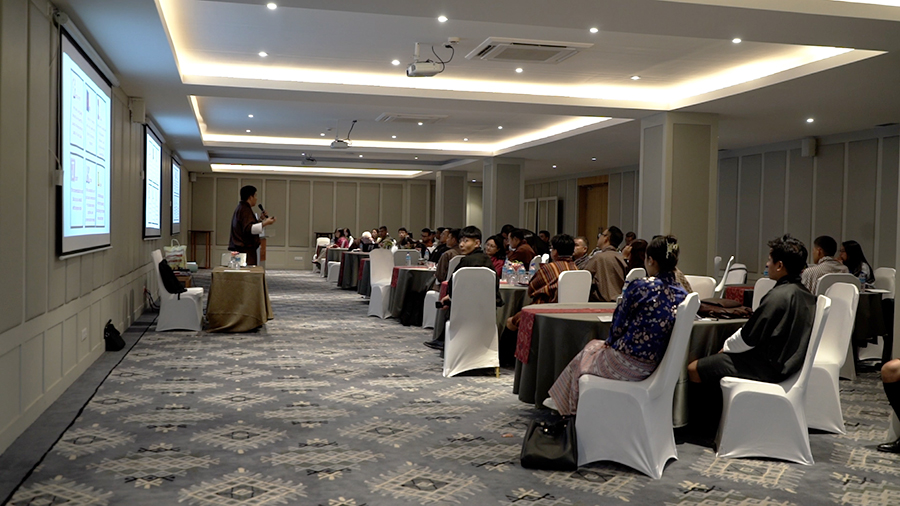
Through a two-day Disability Equality Training and Accessibility Auditing workshop, they brought together participants from relevant agencies to learn about universal design and accessibility standards.
DPO’s Programme Officer Yonten Jamtsho said, “We will discuss how to investigate public areas that provide services. We will discuss how to make a place easier to reach, observe, understand and utilise for people living with disabilities. Then, tomorrow we have the opportunity to provide recommendations to the government about how to make facilities inclusive.”
Through group discussions, case studies, role-play exercises and practical accessibility audits, participants are learning how to identify gaps in existing facilities and incorporate accessibility into the planning and design of new infrastructure.
“I am a civil engineer myself, and whether we are architects or any form of designers, we must consider people living with disabilities. We need to empathise with them, not just pity them. We should design structures that are inclusive and ensure their needs are considered from the beginning. I believe designers have the ability to make a real difference in their lives,” said Ashmita Rai, a civil engineer of Paro District Administration.
Tandin Wangchuk from JSW School of Law said, “Right now, we are all doing what people consider ‘normal.’ However, we never know when an accident might happen, and we could become a person living with a disability. Having this kind of awareness and information would be a great help, not only for people who are already living with disabilities but for society as a whole.”
The Disabled People’s Organisation said inclusive infrastructure does not only benefit people living with permanent disabilities.
Features such as ramps, lifts, accessible washrooms, wider doorways and clear pathways can also make infrastructure easier to access for older people, people with temporary injuries, pregnant women, children and the general public.
As Bhutan continues to expand its housing and infrastructure, participants said accessibility needs to be considered as a basic part of good design and not as an afterthought.
Singye Dema
Edited by Phub Gyem