 In homes and temples across Bhutan, the day often begins the same way with a curl of fragrant smoke rising in prayer. It is a tradition almost as old as the faith itself. But the plants and trees that make the smoke are becoming harder to find, as the pressure on forests rises. In Wangdue Phodrang, one incense maker has spent nearly two decades planting a quiet answer to that problem, a forest of his own.
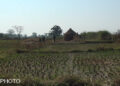
In Phangyuel Gewog, more than 11,000 cypress trees rise across 11 acres of farmland. They belong to 49-year-old Tshering from Kumchhi_Phangyuel chiwog, who began planting them in 2008. Today, the plantation has become the backbone of his incense business, giving Tshering a steady supply of one of the main ingredients he needs.

For years, sourcing that raw material was a struggle. Tshering used to gather it from other places, which meant long and costly journeys. Forest regulations also restricted what he could take. He says, as per the rule, collectors are allowed to use only dried or naturally fallen trees.
“Collecting raw materials from places like Laya, Lingzhi, Saephu and Baedro requires huge expenses because these areas are quite far. Transportation becomes expensive. But by growing cypress here, I can save some of the costs,” said Tshering, Owner, Tshering Flower and Incense Shop, Phangyuel, Wangdue Phodrang.
Besides easing accessibility and saving costs, Tshering says cypress is relatively easy to grow and ready to harvest in about three years. Both the leaves and trunks are used for incense production.

Tshering supplies most of his products within Bhutan, earning a net profit of around 300,000 annually.
But as the incense business expands, Tshering is also clear-eyed on the wider strain of the trade.
“The incense business is expanding every year with increasing demands. But with more sellers and collectors entering this business, the pressure on natural raw materials is also increasing. With limited supply, the sustainability of raw materials is becoming a concern,” said Tshering, Owner, Tshering Flower and Incense Shop, Phangyuel Gewog, Wangdue Phodrang.
Tshering’s initiative shows that conservation and business can work together. At the same time, he is cultivating a living piece of the country’s spiritual heritage. Cypress, as an aromatic wood, has been used in incense and smoke offerings for generations.
Tshering hopes his example could point the way for other producers, toward an incense industry that sustains both the tradition and the tree it depends on.
Changa Dorji, Wangdue Phodrang
Edited by Sonam Wangdi