
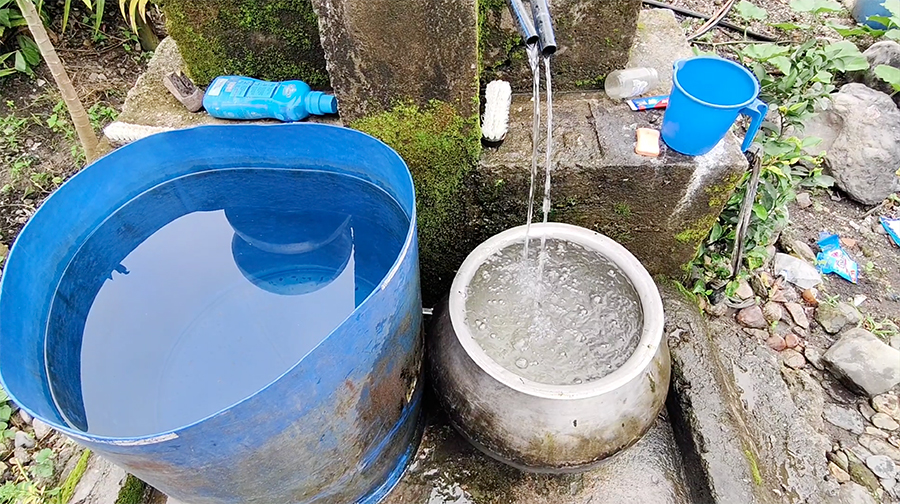
 For the 40 households of Lower Tsangchhhutham in Phuentshothang gewog of Samdrup Jongkhar, a tap that runs even at the height of the plantation season is something new. For years, the village shared a single source between its kitchens and paddy fields, and during the cultivation season, the fields usually won. Now, a separate drinking-water supply reaches every home, bringing an end to a longstanding concern.
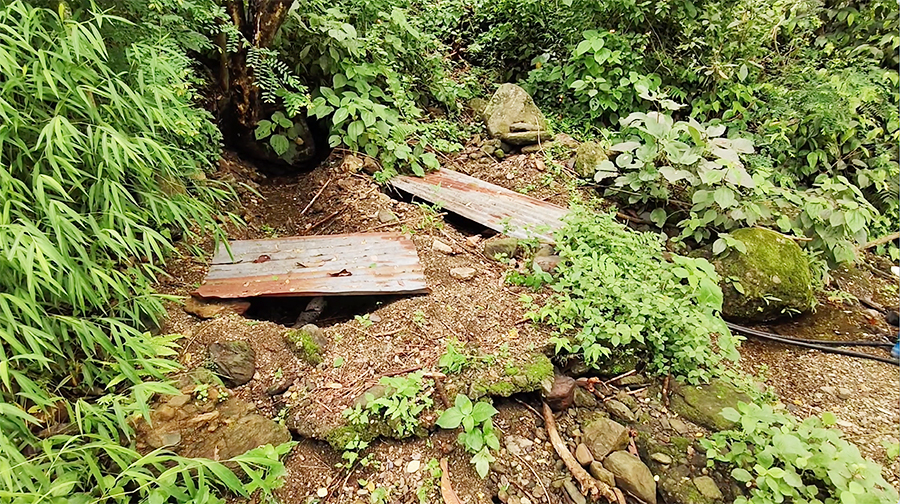 For years, this small source above the village has done the work of two. It filled the drinking water-taps, and it watered the paddy.
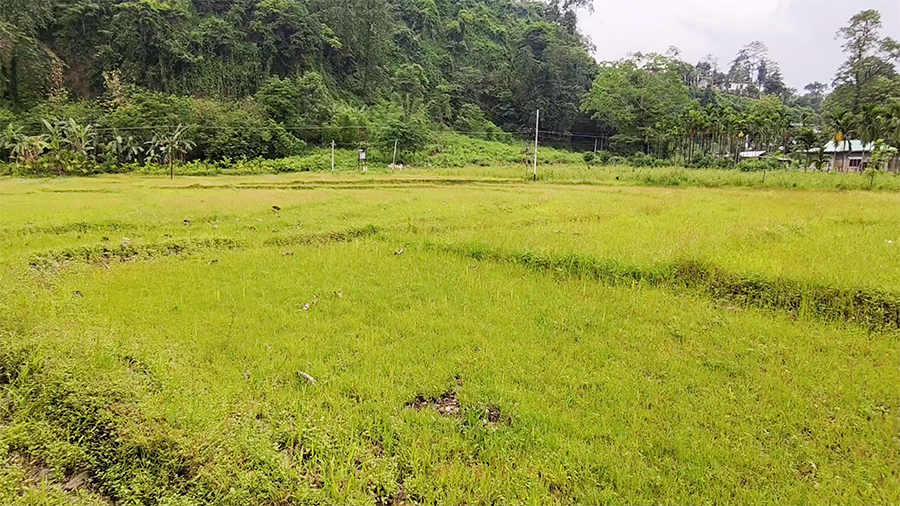 But a single source can only stretch so far. When the transplanting season came, and the fields drew the water down, the taps in the lower households often ran dry.
“We never had enough water despite having taps. While those in the upper parts of the village had running water, those in the lower parts did not. This often led to arguments among the villagers. With the new water supply, we hope such problems will be resolved,” said Ngawang Pem, a resident of Tsangchhhutham.
“During the paddy cultivation season, many villagers had to depend on the lone water source. As a result, we did not have enough water for drinking and household use,” said Zung Dorji, another resident of Tsangchhhutham.
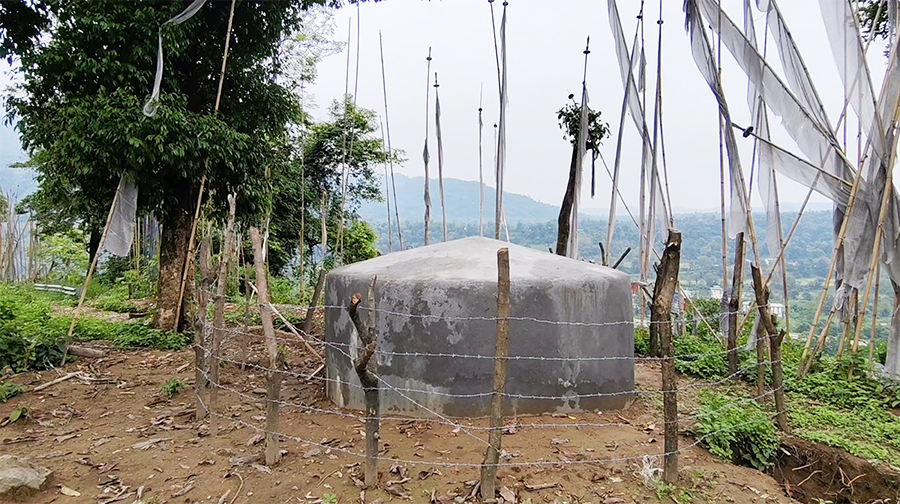 The gewog administration spent around Nu 1.4 M to tap the new source, which is about eight kilometres away. The supply is solely for domestic use, leaving the older source to the fields.
“We are optimistic that the new water supply will cater to everyone’s needs. Earlier, we only had one source for drinking, daily use, and irrigation,” said Sangay Namgay, also a resident of Tsangchhhutham.
Today, at Tsangchhutham, where the day was once measured by whether the tap would run, the reliability of the new supply is the headline. But the longer test is what comes next. It is to secure their drinking water without taking it from its fields by keeping the pipes flowing through the dry months, maintaining the tanks and intake, and making sure the water that arrives is safe to drink.
As per the National Water and Sanitation Report, 88.8% per cent of the rural areas have access to basic water services, with around 61.2% having access to safely managed water services. However, the supply is often intermittent and drying of springs and streams has also been recorded as a country-wide trend.
Kinley Wangchuk, Samdrup Jongkhar
Edited by Sonam Wangdi