
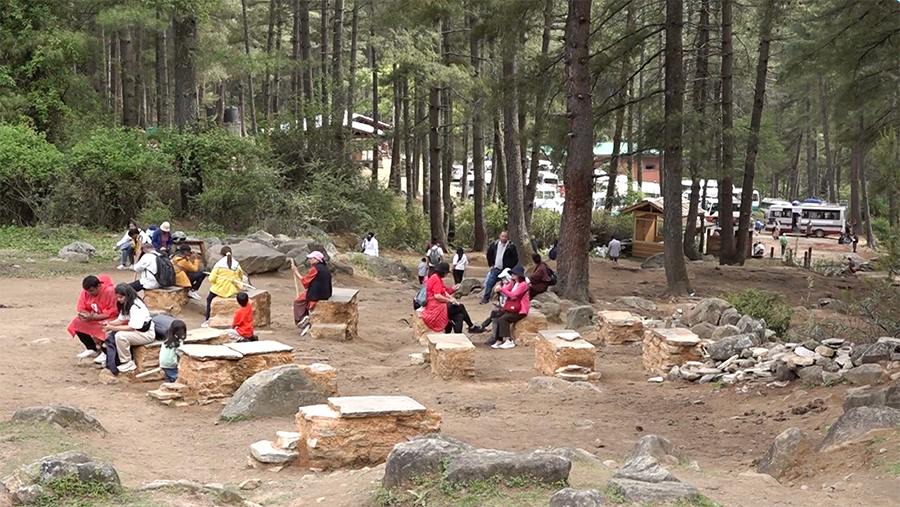
 Tourism in Bhutan is growing, but basic facilities at tourist destinations have not always kept pace. To address this gap, the Ministry of Industry, Commerce and Employment has allocated Nu 11 M for the construction and maintenance of toilets and roadside amenities. The ministry shared this during the Meet the Press session earlier this month.
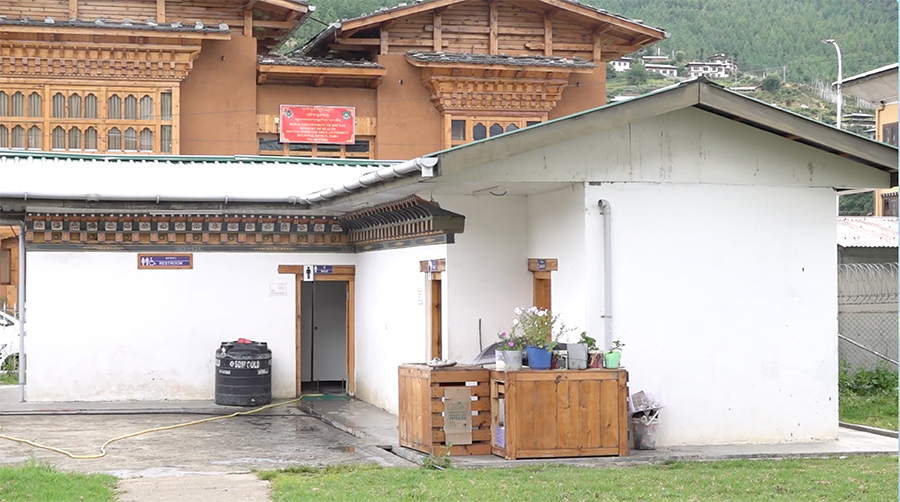 For tourists, finding a clean and accessible toilet may seem like a basic necessity. But tour guides say some destinations still lack adequate facilities, turning simple stops into an inconvenience for visitors.
“Even when we take tourists to Taktshang Monastery, we often notice that the toilet facilities need improvement. At times, there is no toilet paper or water available. If these basic facilities are improved and properly maintained, I think it would make the hike more comfortable and pleasant for everyone,” said Tharka Bdr Sarki, Tour Guide.
“I feel the public toilets currently available are not adequate for tourists. When we come into town, we often have to ask handicraft shops or go to cafés and restaurants to use the toilet. If there were clean, well-maintained public toilets that meet the needs of tourists, it would make things much more convenient for both visitors and guides,” said Karma Tshewang, Tour Guide.
Along with the ministry’s Nu 11 M allocated to improve tourism infrastructure, the Department of Tourism has introduced the Tourism Minimum Facilities Initiative, or TMFI, under the TASHEL framework. The initiative aims to set minimum standards for facilities at tourist destinations.
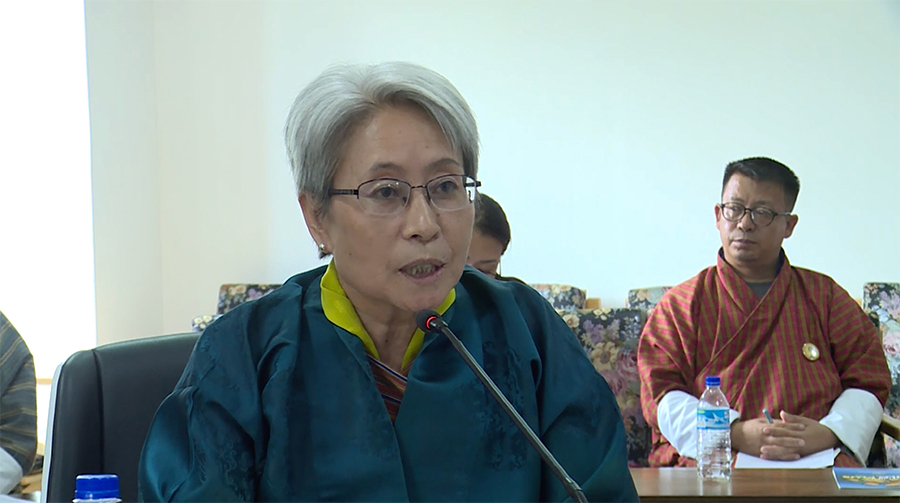 During the Meet the Press session, the former Secretary of the Ministry of Industry, Commerce and Employment, shortly before completing her tenure, said the initiative will also strengthen coordination among government agencies, tourism associations, businesses and local communities.
“What this will bring about is minimum tourism facilities across the country in terms of accessibility, cleanliness and toilet facilities. This will not only be the responsibility of the Department, Ministry or government to provide these facilities. We will also bring all stakeholders on board. We are also encouraging private-sector investment where possible,” said Tashi Wangmo, Former Secretary, Ministry of Industry, Commerce and Employment.
The government has so far developed more than 100 toilets across the country. However, the former secretary said the need for additional facilities is assessed regularly as gaps emerge.
“This is something that we cannot address overnight. It’s an evolving thing. Every time we see something is not there, we always reach out and make sure that the gaps are being addressed. In terms of whether we are assessing the facilities are required. Definitely. This is ongoing, and the assessment is done regularly,” said Tashi Wangmo, Former Secretary, Ministry of Industry, Commerce and Employment.
While establishing minimum standards and building more facilities may help improve visitor experience, providing them is only part of the challenge. Keeping them clean, functional and properly maintained will be equally important.
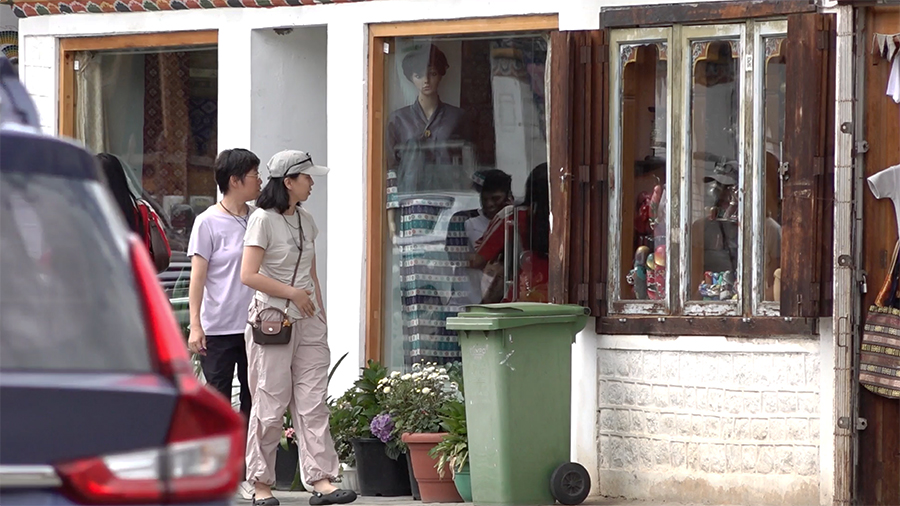 With government agencies, local administrations, tourism businesses and communities expected to share responsibility, the success of the initiative will ultimately depend not just on how many facilities are built, but on whether they are clean, functional and available when visitors need them.
Sonam Yuden & Karma Samten Wangda
Edited by Sonam Pem