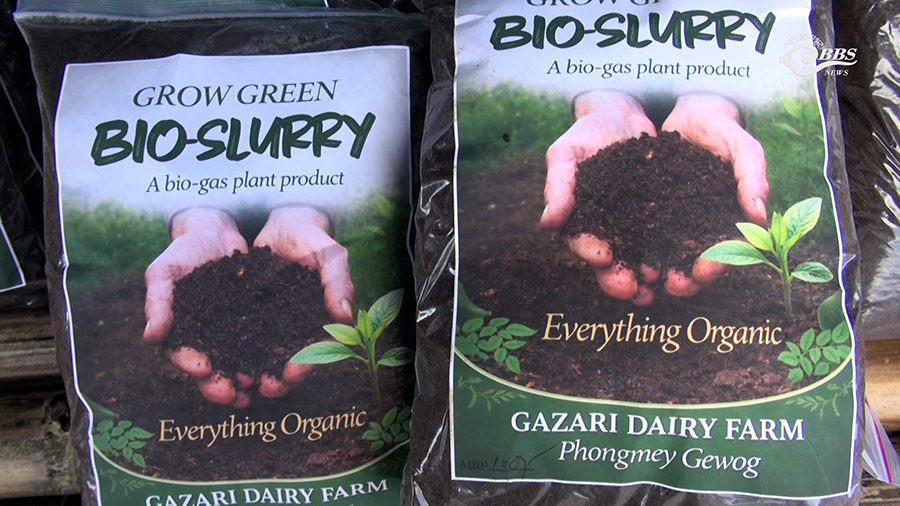
 From cow dung to biogas, and now to organic fertiliser. In Demkhar village in Phongmey, Trashigang, 52-year-old Norbu Gyeltshen is finding another use for the waste from his biogas plant. The waste is now being processed, packed and sold as bio-slurry fertiliser.
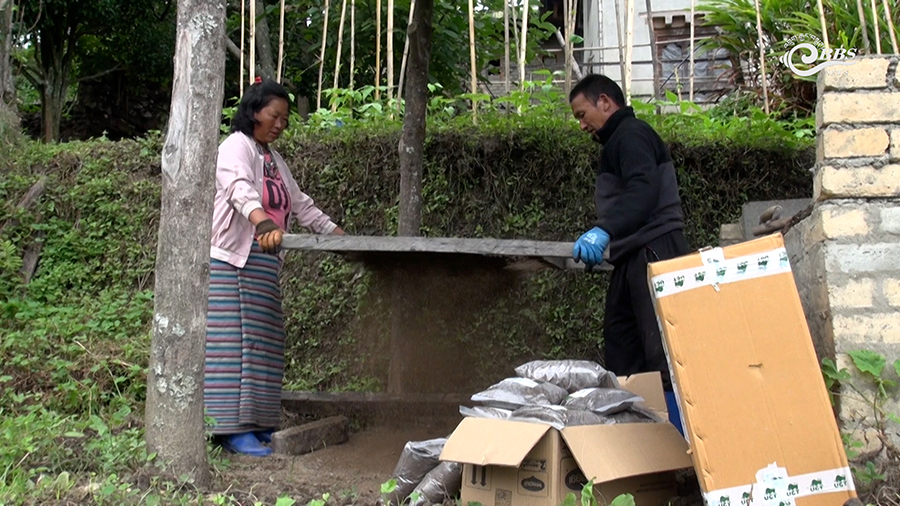 Norbu Gyeltshen and his wife have been using biogas for almost four years.
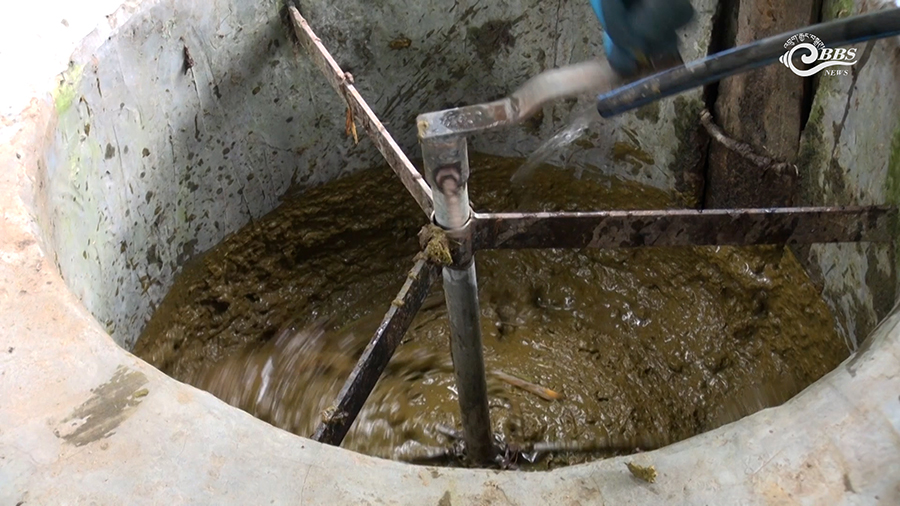 They feed cow dung to a digester, which produces gas for cooking in their kitchen. However, the process leaves another useful product: bio-slurry.
Since the beginning of this year, the couple has been processing the slurry produced into fertiliser.
The slurry flows out through a pipeline and is filtered to separate the solid material.
The solid slurry is then dried in the sun for about a week.
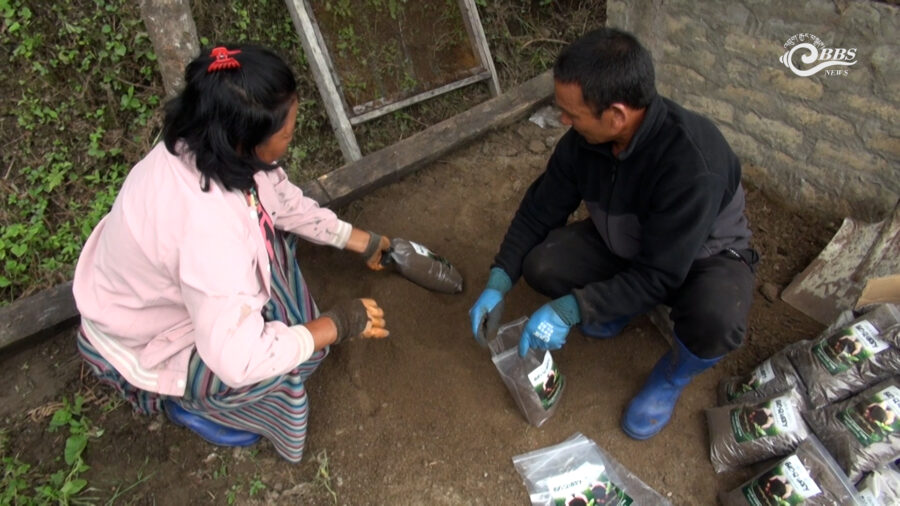 Once dry, it is pounded into smaller particles and packed for sale.
Norbu Gyeltshen said, “I started producing bio-fertiliser because imported fertilisers such as urea are expensive. When we import, our currency flows out of the country. I also wanted to make use of my bio-slurry, which was previously kept underutilised. We can use the fertiliser for flowers and kitchen gardens, and if it works well, we are planning to apply it to our paddy fields as well.”
He sells the packed fertiliser within Trashigang for Nu 100 a packet.
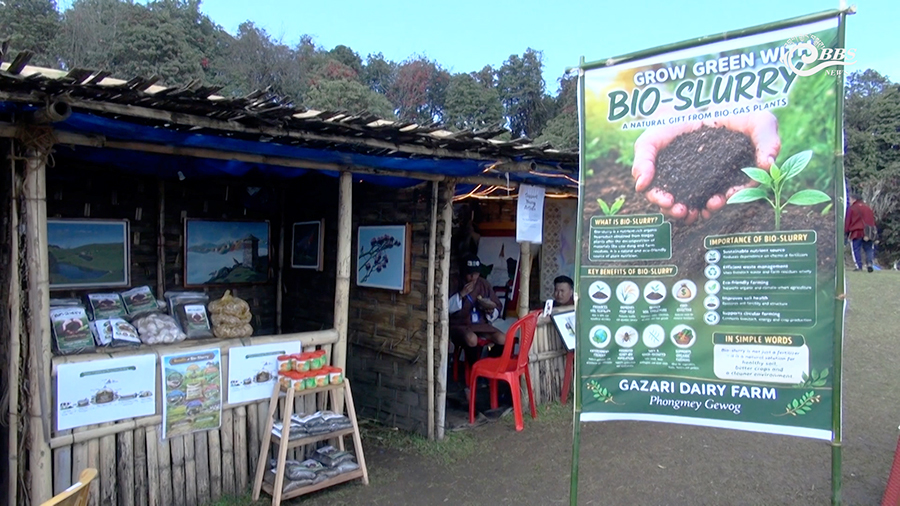 He also showcased the fertiliser at the Rhododendron Flower Festival in Shetimi, Merak, earlier this year.
“Since I started processing it only recently, not many people know about my product. I hope people in the Gewog will come to know, followed by people in the district and the region. If the demand increases, I plan to expand my production.”
The District Livestock Officer says bio-slurry can provide nutrients to the soil and improve soil structure.
Unlike raw cow dung, properly digested bio-slurry has fewer pathogens and less odour, while making better use of the nutrients left after biogas production.
Trashigang is now also working towards large-scale bio-fertiliser production.
Sonam Darjay, Trashigang
Edited by Sangay Chezom