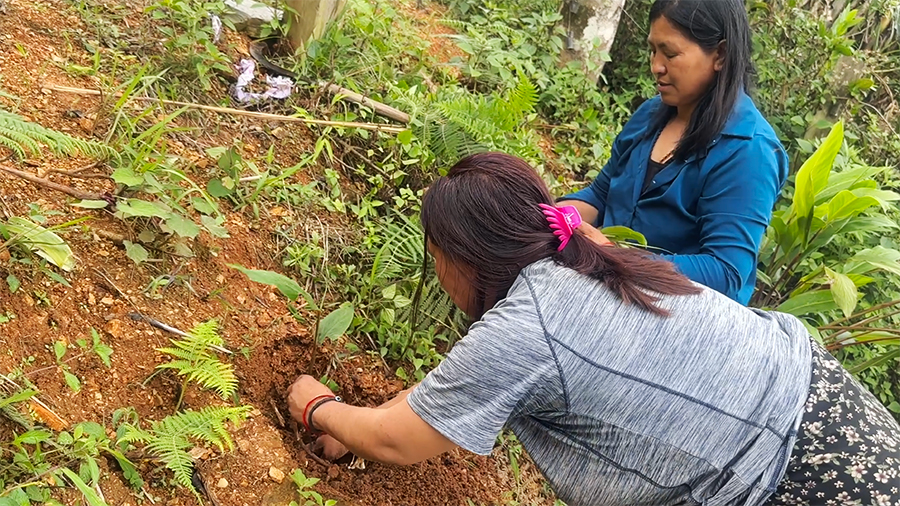
 The government’s tax concessions on cultivated land are encouraging more farmers to restore fallow land. In Risa village of Monggar’s Saling Gewog, an increasing number of households are reclaiming fallow lands to grow highly valuable cardamom. This shift is improving both rural livelihoods and sustainable land management.
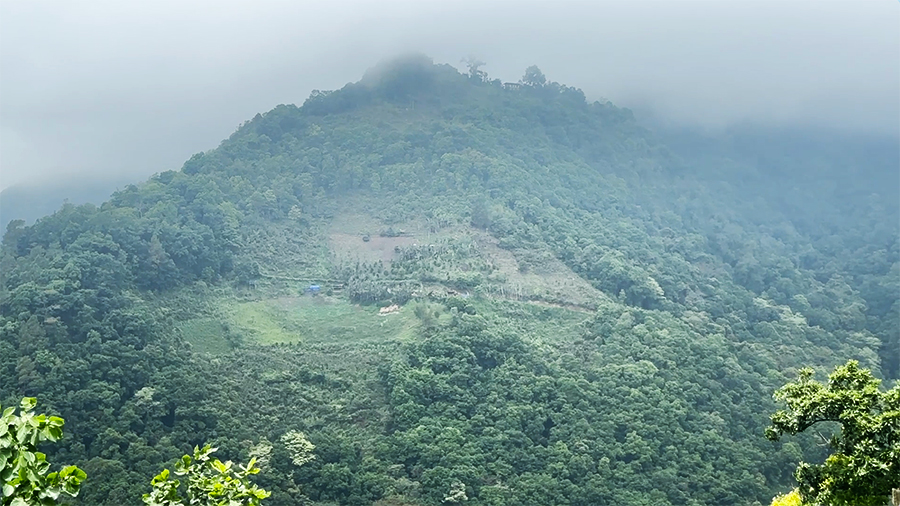 In Risa village, land that was once left empty is now being cleared and brought back into productive use.
According to records with the gewog, more than five acres of land were revitalised.
Out of more than 30 households in the village, nine have already begun cultivating cardamom in restored lands, with most growing the crop for the first time.
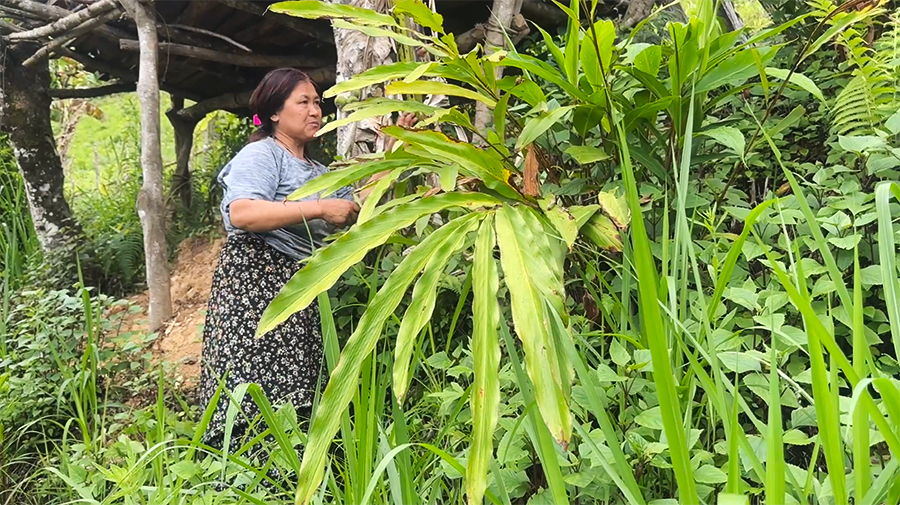 Among them is 52-year-old Ngawang Seldon, who brought and planted 1000 cardamom saplings in her 30-decimal land, which was once used as Tseri, or shifting cultivation.
Ngawang Seldon said, “The tax difference between used land and fallow land is huge. I think that is the government’s way of encouraging us to make better use of our land. By bringing fallow land under cultivation, households can generate income, maintain their land more effectively, and ultimately benefit from reduced tax obligations.”
“At first, I planted 40 cardamom saplings on my vacant land. I then sourced over 200 additional saplings and planted them across my 40-decimal fallow plots. It’s been just a week now since I started,” said Sangay Wangmo, a resident of Risa.
Another resident Seldon said, “I am also planning to cultivate cardamom on our Tseri land, though it’s currently overgrown with thick vegetation. For now, I’ve had to put that plan to on hold due to some challenges. We have over an acre of Tseri, it’s been in our family for generations. While we have already divided other landholdings like Kamzhing, we have not yet divided the Tseri.”
Risa is located on steep slopes, making agricultural activities challenging. Maize has long been the community’s mainstay, but the villagers are turning to cardamom with renewed hope.
Under the Property Tax Act of Bhutan 2022, cultivated dry land gets a tax concession of 50 per cent, while wetland receives a 90 per cent tax concession.
Saling Gup Sonam said, “The gewog has received requests from residents for a supply of cardamom saplings under a cost-sharing arrangement. However, we could not help them as they did not align with the government’s budgetary regulations. As a result, most households have initiated cardamom plantation on their own.”
The gewog plans to continue raising awareness about the advantages of restoring fallow land and explore means to assist farmers.
In Monggar, farmers first began cultivating cardamom about a decade ago, but today, the spice is grown across nearly 14 gewogs.
According to district records, Monggar produced over 25 tons of cardamom last year, with growers earning 1500 ngultrum per kilogram.
With high cash rewards and heavy tax cuts, the push to reclaim fallow land is proving to be a win-win for the farmers of Risa village. By turning once-empty plots into green cardamom fields, these households are securing a better income while making their ancestral land productive again.
Namgay Wangchuk, Monggar
Edited by Phub Gyem