
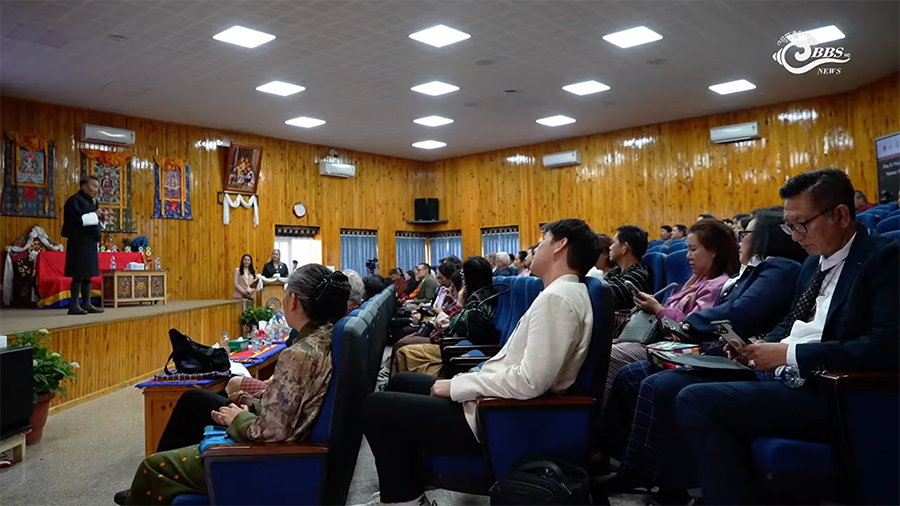
 How much sleep did you get last night? Did you exercise today? When was the last time you shared a meal with friends or family? According to experts attending the Bhutan-Thailand International Conference on Lifestyle Medicine and Mindfulness, the answers to these simple questions may have a greater impact on health than many people realise. Lifestyle medicine, an evidence-based medical specialty, recommends good sleep, exercise, and relationships to maintain a healthy mind and body.
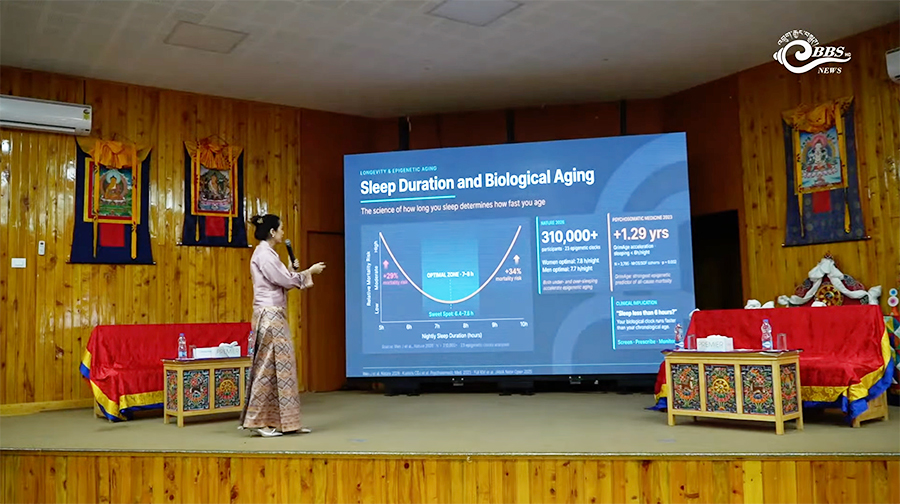 Lifestyle medicine encourages people to adopt healthier lifestyles through six key pillars, including nutrition, exercise, sleep, stress management, avoiding harmful substances, and maintaining meaningful relationships.
Experts say these will prevent, treat, and even reverse chronic diseases such as obesity, hypertension and diabetes, among others.
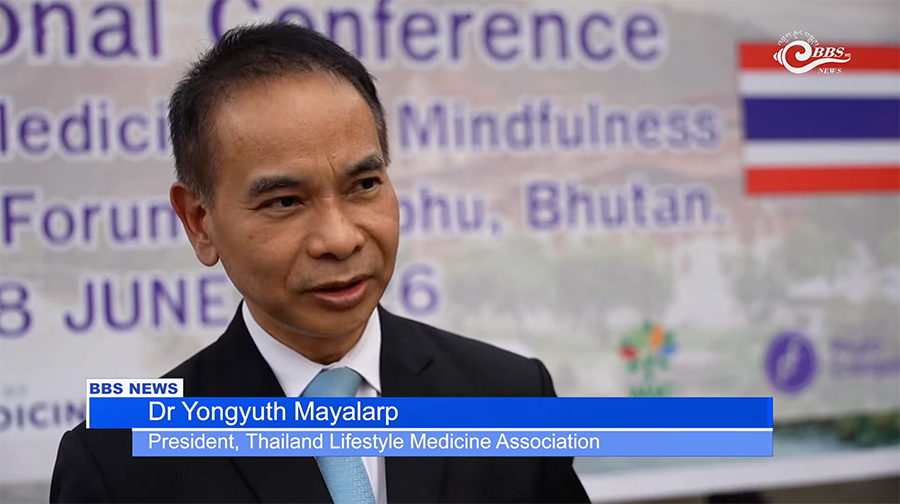 Dr Yongyuth Mayalarp, President of Thailand Lifestyle Medicine Association said, “We have become used to some of this unhealthy behaviour for a long time. And to change that, it needs a lot of work to be done by the patients themselves. So what we do is we, in a way, try to give them the behavioural therapy to convince them, persuade them to stop smoking, to avoid alcoholic drinks, and to move themselves more, get more exercise and eat good food.”
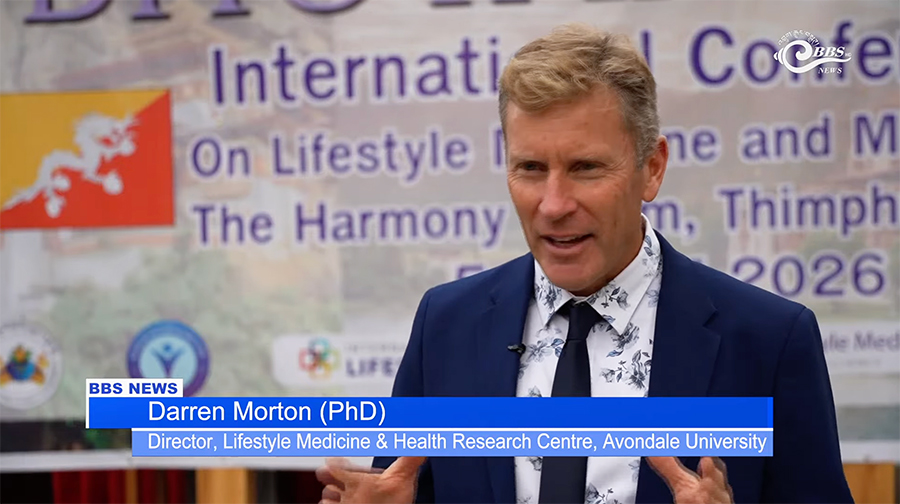 Darren Morton (PhD), Director of Lifestyle Medicine & Health Research Centre, Avondale University said, “So what we know is that we can be physically healthy, but unless we’re healthy in our mind, we don’t really have health at all. And the World Health Organisation states that very clearly. They say there is no health without mental health. And sadly, mental health is really suffering all around the world, including in Bhutan. But there are things that we can do through our daily lifestyle choices, by being active, by eating healthy, by sleeping well, by not spending too much time on our phones, and by socially connecting with other people. And caring for our spirituality, too. These are all really important, but very valuable things we can do to feel better and to live happier.”
According to the Gross National Happiness report, 68.4 per cent of Bhutanese sleep at least eight hours a night.
However, many still lack essential nutrients, engage in insufficient physical activity, and adopt unhealthy habits.
The National Health Survey indicates that 74.6 per cent of people do not consume enough fruits and vegetables.
Additionally, 18.3 per cent report insufficient physical activity, and 31.4 per cent are current users of tobacco products.
Health professionals said this highlights the importance of incorporating lifestyle medicine initiatives by understanding and creating awareness about such practices.
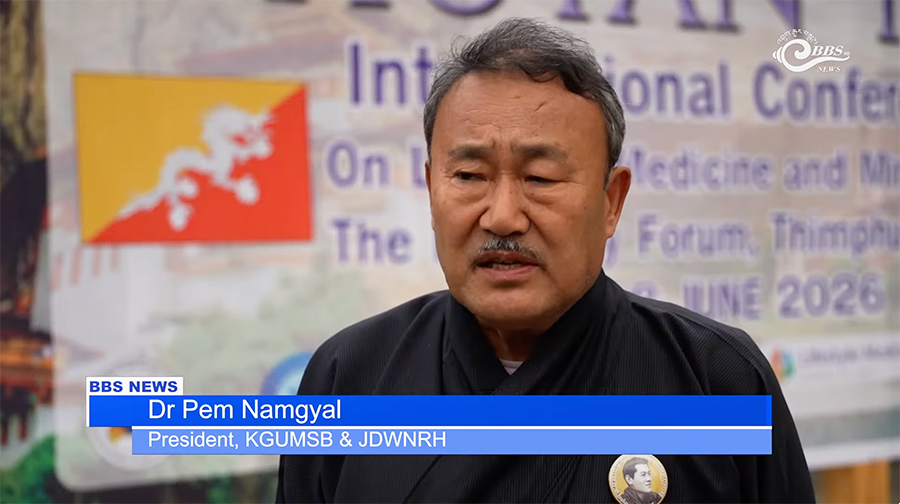 Dr Pem Namgyal, President of KGUMSB & JDWNRH said, “Lifestyle medicine and mindfulness are important topics, which is why we are conducting this event. While these concepts do exist in the country, we currently lack a clear and concrete plan to implement them effectively. We believe that we need to incorporate these ideas.”
The Bhutan-Thailand International Conference on Lifestyle Medicine and Mindfulness conference ended on Saturday.
According to the Khesar Gyalpo University of Medical Sciences of Bhutan and the Thai Lifestyle Medicine and Wellbeing Association, the conference is expected to be conducted once every two years.
With non-communicable diseases and mental illness on the rise in the country, lifestyle medicine proves some of the most effective tools for better health are not found in hospitals, but in everyday choices people make.
Singye Dema