
 Exclusive breastfeeding is not just about how much breast milk a mother can produce. It is more about understanding the techniques of proper breastfeeding. To help mothers in their breastfeeding journey and ensure adequate nutrition for their newborns, the health ministry plans to expand lactation management units in all districts by the year-end. The health ministry reaffirmed this commitment during the breastfeeding week, in line with this year’s theme: “Breastfeeding for a Sustainable Start in Life: Strengthen What Works.”
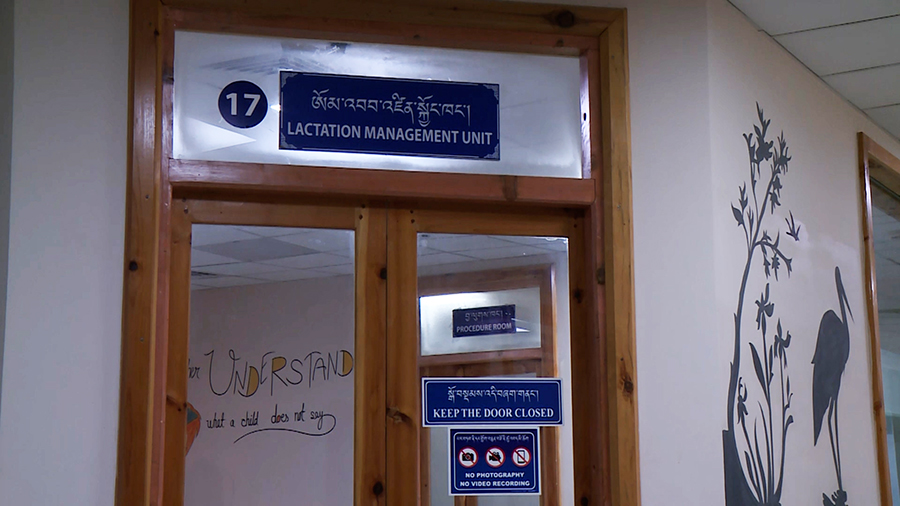 A lactation management unit helps mothers initiate breastfeeding, express and safely store their own breast milk through counselling and demonstration. Currently, 14 districts have the facility.
This support is especially important for sick, preterm, and vulnerable newborns who require adequate nutrition.
According to the ministry, this is to ensure all mothers have access to skilled breastfeeding support across the country.
“So, positioning and attachment, as well as the 10 steps to successful breastfeeding, we have been continuously training and providing capacity building to our health workers so that they can actually provide this message and counselling to our mothers,” said Hari Prasad Pokhrel, Deputy Chief Programme Officer, Department of Public Health, MoH.
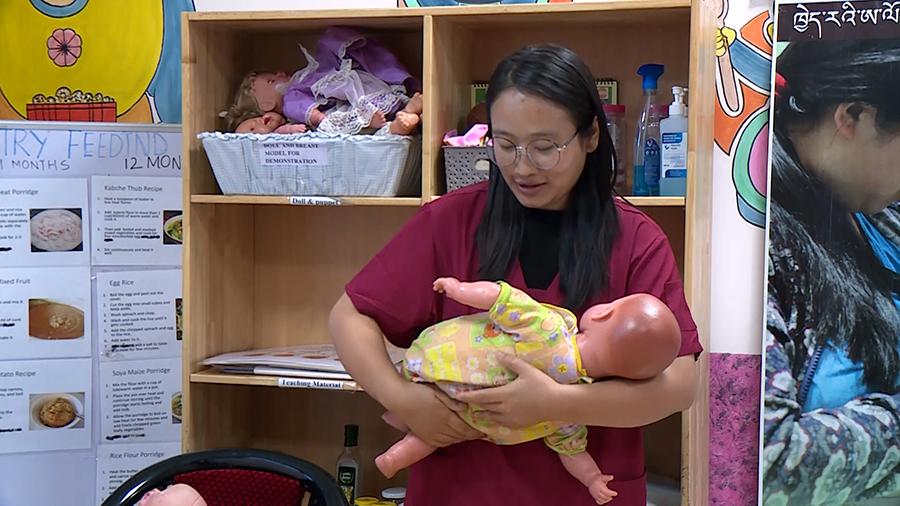 As part of the initiative, the health ministry started training almost 100 nurses and health assistants from 10-bed and above hospitals in the western and central districts since 2024.
The ministry further plans to train an additional 40 health workers from 25 hospitals across the remaining six eastern districts from September this year.
Meanwhile, the ministry provided funding to 10 hospitals, where most births occur, to mark the breastfeeding week and advocate for exclusive breastfeeding.
According to the National Health Survey 2023, nearly 70 per cent of infants under six months of age are exclusively breastfed.
However, challenges still remain. The ministry says the remaining 30 per cent reflects persistent misconceptions and misinformation about breastfeeding among mothers.
“We have observed in Bhutan that by three to four months, mothers often feel that their milk is not enough for the baby. So, I would like to advocate that if the mother is healthy and eating well, the evidence suggests that it will be adequate for the infant and even in case of twins. So, it works on a demand-supply reflex mechanism in the body; the more the baby sucks, the more milk will be produced,” added Hari Prasad Pokhrel, Deputy Chief Programme Officer, Department of Public Health, MoH.
In addition, limited maternity leave remains one of the key challenges to exclusive breastfeeding.
The ministry is also working to ensure that health workers and local governments are aware of the International Code of Marketing of Breast-milk Substitutes and related national policies. The code sets global standards to prevent the aggressive marketing of infant formula, feeding bottles, and teats.
As the country works to expand lactation management services nationwide, the focus now is on strengthening what is already working and reaching every mother needing the support.
Singye Dema
Edited by Phub Gyem
Produced in partnership with the Ministry of Health and UNICEF as part of World Breastfeeding Week.