
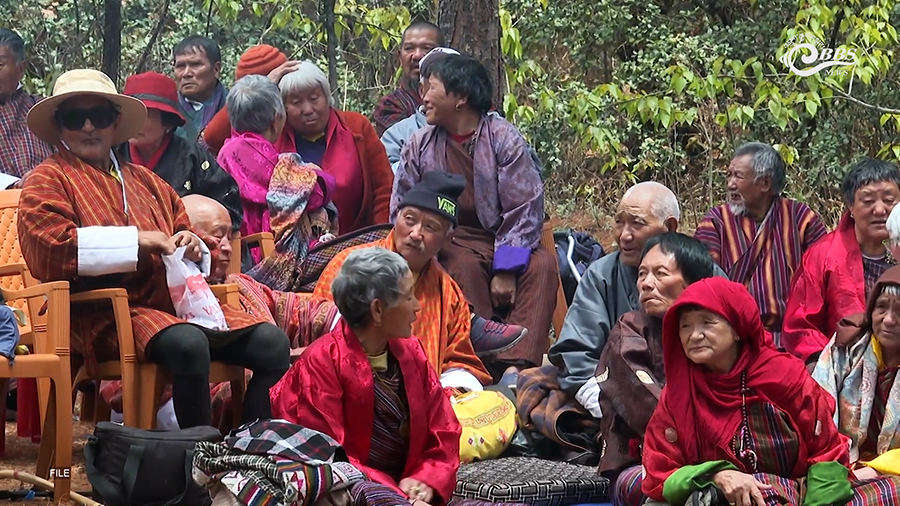
 Mental health problems among older people are often overlooked, as symptoms related to depression and cognitive decline are frequently dismissed as a normal part of ageing. Psychiatrists say this can prevent older people from getting the help they need. As Bhutan’s population ages, experts say recognising these problems early and strengthening support for older people will become increasingly important. The issue was discussed at the fourth PEMA Symposium in the capital.
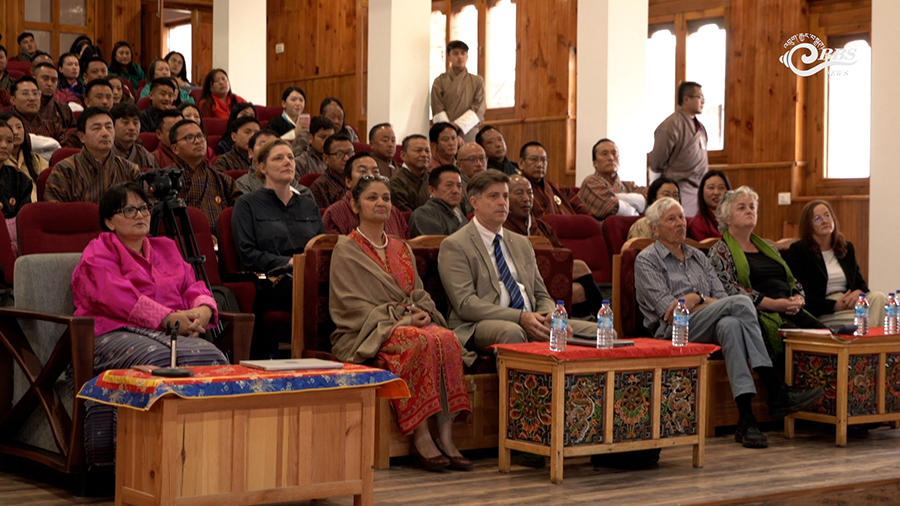 Mental health support, as in much of the world, largely centres on the younger generation. Psychiatrists say older people receive support and treatment much later.
Research shows that, as people age, they may experience memory loss, irritability, changes in behaviour, sleep and appetite, and unexplained physical complaints. These could be warning signs of a mental health condition. But society and families often dismiss them as a part of ageing, and older people go without the support they need.
Psychiatrists describe this as discrimination based on age, known as ageism.
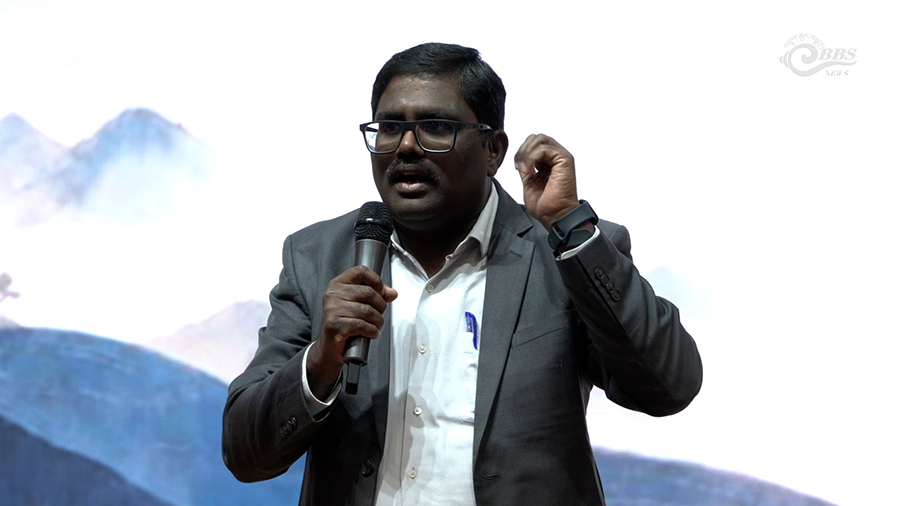
“It is one of the biases which can actually prevent care for older people. The bias can be within themselves or by others, whether it’s the government or society. So, anything that is happening to an older adult, something like a health problem or a mental health problem, they may attribute that to normal ageing,” said Dr Palanimuthu Thangaraju Sivakumar, a geriatric psychiatrist with the National Institute of Mental Health and Neurosciences, India.
This perception is a concern as Bhutan’s population continues to age. In Bhutan, the number of people aged 65 and above is projected to rise from nearly 30,000 in 2005 to 118,650 by 2047.
Health officials recorded 6,449 cases of anxiety and depression among older patients in 2023.
However, behind these figures are families and communities who often see the signs without recognising them as illness.
“Even though there are not many who are unconscious, some forget, and they tend to show different behaviours. We have always thought of it as part of ageing,” said Pema Yuden, Gewog Administrative Officer of Norbugang, Samtse.
Officials say they can offer shelter and social support, but not medical care.
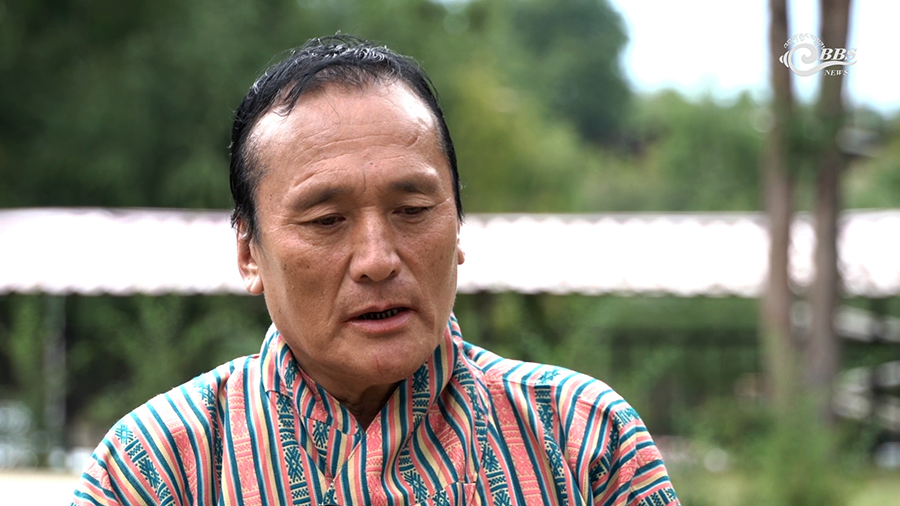
Haa’s Dzongrab Dorji Gyeltshen said, “If there are individuals who are mentally challenged and who cannot take care of themselves and get sick, we collaborate with RENEW. If he or she does not have anyone to look after them, there is GoenshoTshamkhang in Thimphu. We verify and let them stay there.”
Meanwhile, Bhutan has yet to establish a dedicated old-age psychiatry service. The PEMA provides occasional mental health support to older people at GoenshoTshamkhang in Thimphu.
Experts say Bhutan needs to strengthen support for older people through social care, community support and technology. Otherwise, many could go on suffering without help, their conditions may worsen, and some may lose their ability to live independently.
Dr Sivakumar said, “Approaches like peer support and intergenerational interventions can be very useful here. Technology can also help, such as helplines. There is a child protection helpline, and similarly, an elderly helpline linked to elderly protection could be very useful. Older people need support for social care, and this will be important for supporting the ageing population.”
And raising awareness on mental health is also found pivotal.
“Right now, people tend to think that mental health problems are all related to young people, whereby if they are drinking and smoking, we feel they are dealing with some mental health challenges. But if an older person drinks, smokes and stays like that, no one really understands why. So firstly, we need to understand that old people also have mental health problems,” said Gewog Administrative Officer Pema Yuden.
Psychiatrist Dr Sonam Wangchuk said, “Everybody can play a very important role in taking care of the mental health of the ageing population. That includes grassroots-level people like your family members, your local leaders, healthcare centres, NGOs, the Ministry of Health, universities; everyone has a very important role to play.”
As Bhutan’s population ages, experts say the responsibility to recognise and support older people’s mental health lies with families, communities and the health system alike.
Sonam Yuden
Edited by Sangay Chezom