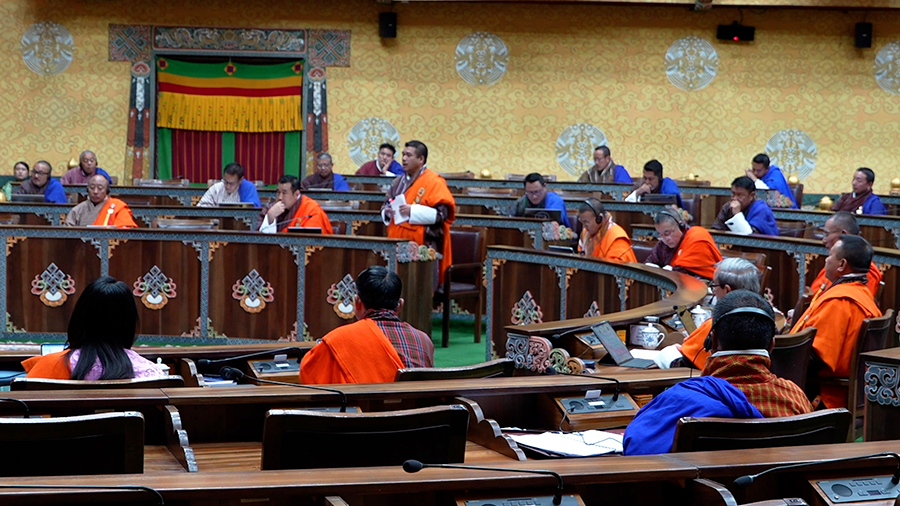
 Owning a house is becoming increasingly difficult in the country. While the government has made several commitments to promote homeownership, people are still waiting to see them translated into action. With homeownership declining from nearly 72 per cent in 2010 to just over 53 per cent in 2025, MPs questioned the government on the progress of these commitments during the National Assembly’s Question Hour today.
The government has pledged to promote homeownership through a Rent-to-Own scheme, reduce interest rates to four per cent for first-time homebuyers and support first-time house construction in rural areas. But these commitments have yet to translate.
Meanwhile, owning a house remains increasingly difficult as land prices, construction costs, labour charges and borrowing costs continue to rise.
According to the Household Consumption and Expenditure Survey 2025, only 53.2 per cent of Bhutanese households own a home, one of the lowest rates in South Asia. The situation is even more challenging in urban areas, where only 16 per cent of households own homes, compared to 75.8 per cent in rural areas.
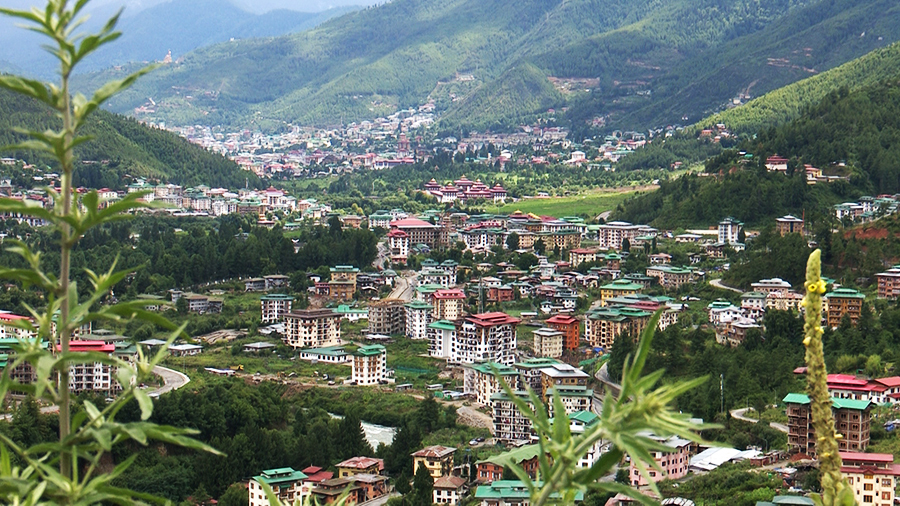 In Thimphu, tenants spend approximately 42 per cent of their household income on rent, exceeding the 30 per cent affordability threshold set under the National Housing Policy 2020.
During the Question Hour, Tashi Tenzin, MP for Radhi-Sakteng in Trashigang, questioned what concrete measures the government had taken to promote homeownership and reduce the overall cost of house construction.
He also raised concerns over the Nu 1.5bn allocated for the Homeownership Programme under the Economic Stimulus Programme, saying the programme had been deprioritised.
Tshering Penjor, MP for Dewathang-Gomdar in Samdrup Jongkhar, questioned the delay in implementing the government’s pledge, saying that forming committees and preparing plans would not be enough without concrete action.
He said people needed to see actual progress towards making homeownership possible.
Lamdra Wangdi, MP for Nanglam in Pema Gatshel, also questioned whether the government would be able to fulfil its homeownership pledge, particularly after the budget allocated for the programme had been distributed among other sectors.
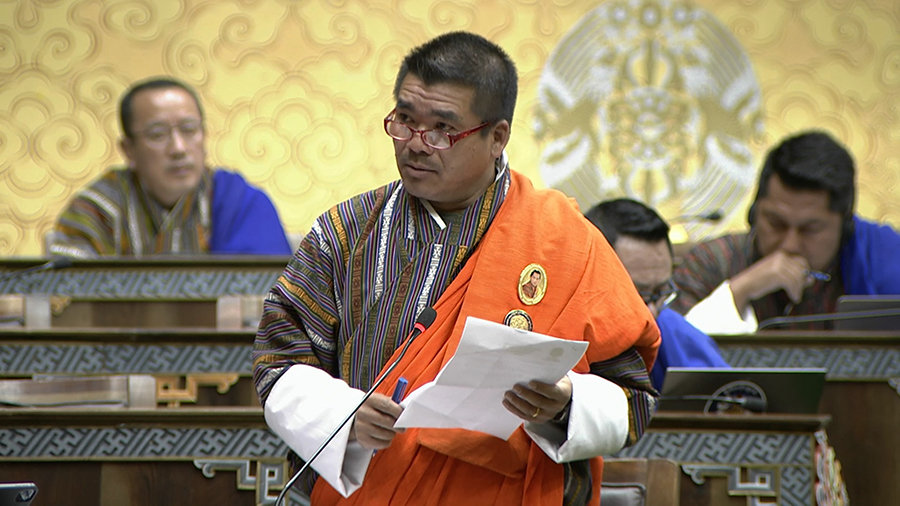
Responding to the concerns, the Minister for Infrastructure and Transport, Chandra Bahadur Gurung, said the government is developing a new National Housing Policy, which is expected to be presented to Parliament in the next session.
He said a new National Housing Strategy is also being developed with support from the Asian Development Bank. The strategy is not yet finalised.
The minister said the government is looking into ways to increase homeownership through these policy initiatives.
He also said the Ministry of Finance has submitted a written proposal to the Royal Monetary Authority to consider a special priority home loan scheme for first-time homebuyers, particularly those from low- and middle-income groups.
The proposed scheme includes concessional interest rates, more flexible loan repayment arrangements, reasonable down payment requirements and targeted financial support to make homeownership more accessible to Bhutanese citizens.
Sonam Yuden & Tashi Dekar
Edited by Sonam Pem