 Shopping for essentials just got a little cheaper. All GST-registered businesses across the country have been asked to stop charging the five per cent tax on a newly expanded list of everyday items, including butter, all types of cooking oil, and even automatic wheelchairs. The change follows the passing of the GST Amendment Act of Bhutan 2026.
The Ministry of Finance tabled the Goods and Services Tax (GST) Amendment Bill of Bhutan 2026 on 18 May, proposing to expand the list of GST-exempt essential goods.
The bill adds 19 categories of essential items to the exemption list. This includes commonly used edible cooking oils such as soybean, palm, sunflower, mustard, sesame and coconut oils.
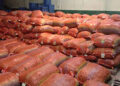
It also proposes GST exemptions for husked brown rice, red rice (Yeechum), and semi-milled and wholly milled rice.
While the notification was issued yesterday, the Director General for the Department of Revenue and Customs clarified that under the Public Finance Act, this Money Bill actually became retroactively effective from 18th May, the day it was first tabled in Parliament.
 Director General Sonam Jamtsho said, “The fourth parliament has passed the GST Amendment Act of Bhutan 2026 in the fifth session, and as of today, we have also received the Royal Assent, and starting today, we are going to implement the exemption of the additional categories of rice and oil, sanitary napkins, salt and wheelchairs, all in all, think 32 items which have been exempted in the recent Parliament.”
The Department of Revenue and Customs assures that GST paid on imports made on and after May 18th will be eligible for Input Tax Credit.
“So starting 18th of May till now, whatever exempted goods falling under these five broad categories imported by our registered businesses, we are going to give them the adjustment through the input tax credit course of their monthly return filings, or if it is refundable, we will be refunding.”
The Director General warned that any GST-registered business continuing to charge the tax on these exempted items will face penalties under the GST Act.
“The benefit of the exemption has to be passed on to the consumer. We urge the registered GST businesses to pass on the benefit of the reduced price through the exemption for the general consumers. Otherwise, we will have to invoke the fines and penalties provisions as per the GST Act,” said the director general.
The department is urging businesses to update their invoicing and point-of-sale systems, accounting software, product classifications, and pricing structures accordingly.
Sonam Yuden
Edited by Phub Gyem