
 Tergola in Haa, home to Bhutan’s largest recorded population of Red Pandas, is set to become a model for conservation-led ecotourism. The initiative aims to protect one of the country’s most important Red Panda habitats while creating sustainable livelihood opportunities for local communities. Officials say conservation will remain a priority as visitors are given a chance to experience the elusive animal in its natural environment.
At the heart of the initiative is a 4.4-kilometre nature trail winding through Red Panda habitat. Scheduled to open on International Red Panda Day in September next year, the trail is designed to offer visitors a rare opportunity to experience the forest while minimising disturbance to wildlife.
With support from the International Climate Initiative (IKI) through the Living Landscapes, WWF Bhutan and the Jigme Khesar Strict Nature Reserve (JKSNR) have launched the Red Panda Ecotourism Initiative at Tergola in Haa.
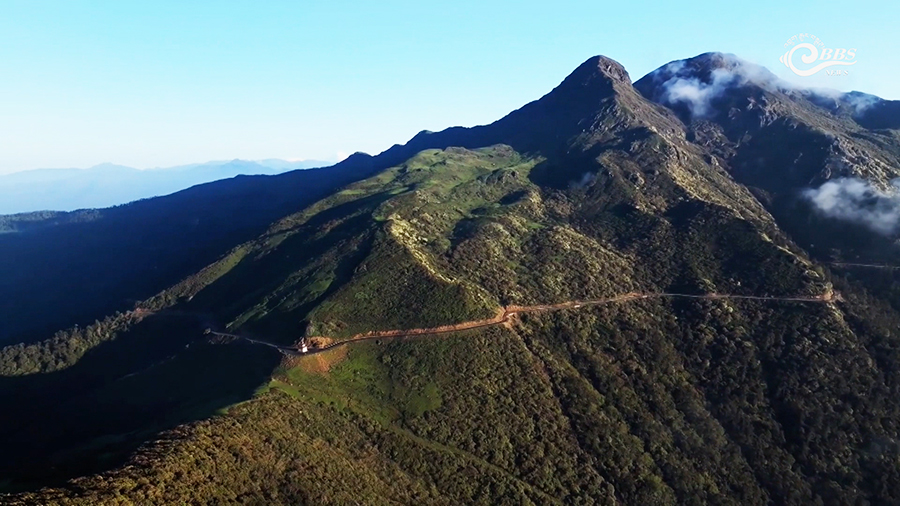 Situated at over 3,000 metres above sea level, with cool alpine forests and abundant bamboo, Tergola provides ideal habitat for Red Pandas.
 During a nationwide Red Panda survey, researchers recorded 42 red pandas in the area, the highest number documented anywhere in Bhutan. The finding has reinforced the area’s importance for conservation and inspired plans to develop it as a destination for responsible ecotourism, environmental education and research.
Until recently, Tergola was known mainly as a mountain pass connecting Haa town with the remote gewogs of Gakiling and Sangbay. Through the initiative, the area is expected to evolve into a destination where visitors can experience Bhutan’s natural heritage while learning about one of its most iconic and elusive species.
Unlike conventional tourism projects, the initiative deliberately avoids large-scale infrastructure. Instead, it focuses on guided nature walks, environmental interpretation, responsible waste management and strict visitor guidelines, ensuring the forest remains as undisturbed as possible.
Beyond conservation, the programme is expected to create opportunities for local communities through homestays, guiding services, local products and other small nature-based enterprises.
With regular wildlife monitoring and strong community participation, Jigme Khesar Strict Nature Reserve and WWF Bhutan hope Tergola will become a model for conservation-led ecotourism, demonstrating how responsible tourism can protect biodiversity while delivering lasting benefits to the people living alongside it.
Karma Samten Wangda, Haa
Edited by Phub Gyem