Bhutan is working towards a unified policy to govern how museums and heritage galleries are established and run across the country. The Department of Culture and Dzongkha Development, DCDD is drafting Guidelines for the Establishment of Museums and Heritage Galleries. Such a document has become critical as museums and heritage galleries become increasingly important platforms for cultural education, community engagement, and preservation of Bhutan’s tangible and intangible heritage.
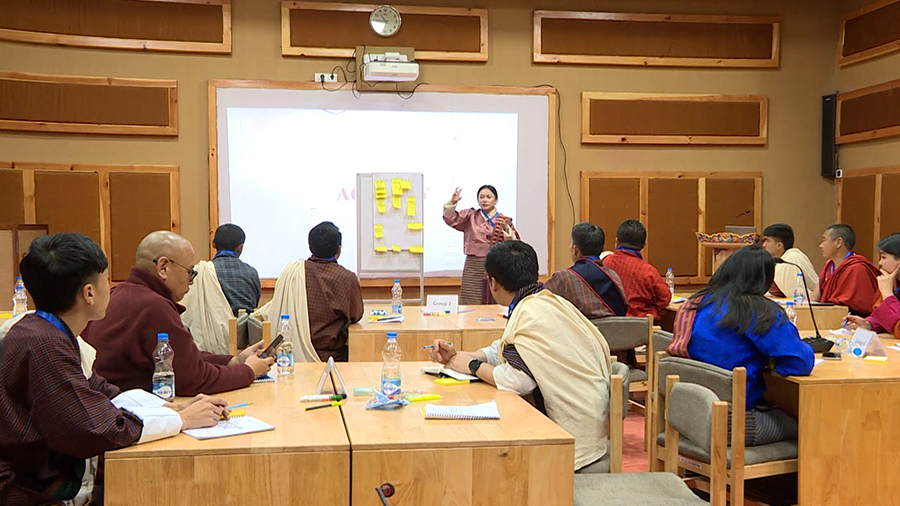 Over the past two days, these museum professionals, cultural practitioners, architects, and government officials held discussions to ensure consistent standards in the approval, operation and quality of museums, both public or private, and to make them more engaging and accessible.
“We believe that museums are just repositories of ancient objects which are being preserved. So what we are trying to do is to those people who understand what museums are, we are trying to establish a guideline, that’s basically a policy, which ensures that museums that are being established from now on will have similar standards,” said Rinchen Namgay, an assistant conservator with the museum division, DCDD.
The guidelines will serve as a comprehensive roadmap and ensure that museums and heritage galleries reflect Bhutan’s values and traditions and contribute meaningfully to its cultural tourism and preservation.
According to one of the facilitators, having proper guidelines will also help streamline revenue generation and financial sustainability approaches.
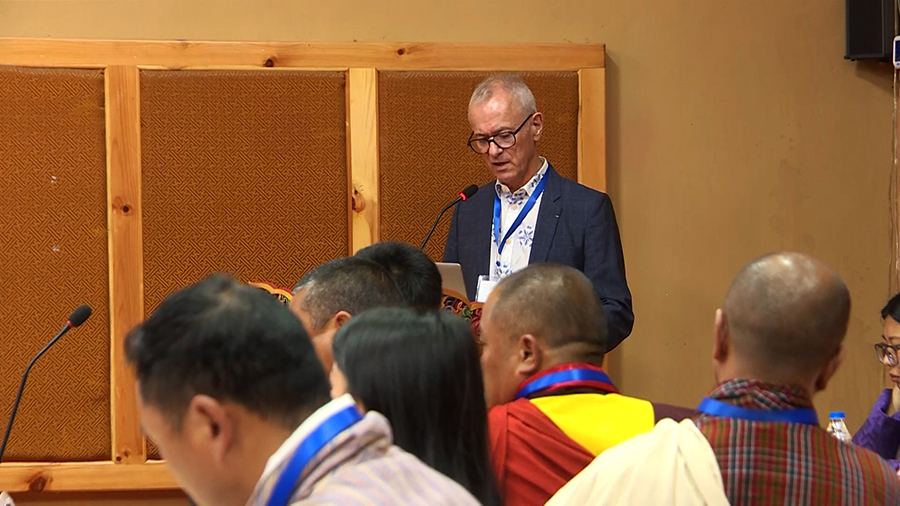 “Bhutan is very fortunate to have museums and heritage galleries with wonderful collections to preserve Bhutanese culture. But those collections can also drive revenue both for the institutions themselves through special events they can organise, maybe lecture series and art classes. There are various ways they can do that through museum shops and other ways, but also they can drive economic benefit for their communities and for the country through cultural tourism,” said Michael Brand (PhD), one of the board members of Creative Australia.
Today, such sites are taking on a growing role as engines of community engagement and economic sustainability. In the 2024-2025 financial year, Nu 37.4 M was generated from the three museums managed by the culture department. The revenue was earned through entry fees, café rentals, and venue hosting charges.
Meanwhile, the discussion will also serve as a reference for some of the ongoing heritage site development projects.
“One of the key takeaways for me is the importance of incorporating the best practices and policies that will be established through this initiative into the Drinchengang Heritage Cultural Centre that we are creating in Drinchengang,” said Richard Streitz, Dy Executive Director, DRV Project.
Following the discussions at the workshop, the museum’s division will further refine and consolidate the document. It will then be submitted for formal endorsement and adoption to the parent ministry. Officials said the guidelines will be rolled out in phases.
The workshop is a part of the ongoing partnership with the Australian High Commission under the Direct Aid Programme, with joint funding from the High Commission and the government.
Kelzang Chhophyel
Edited by Sonam Wangdi