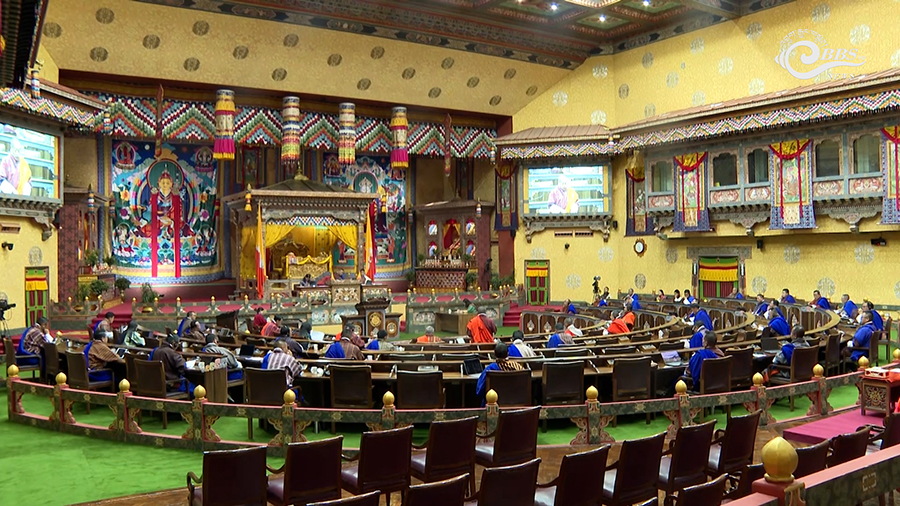
 The government is working on a National Human-Wildlife Casualty Relief and Accountability framework to provide support for people who lose their lives or suffer injuries due to wildlife attacks. The Minister for Energy and Natural Resources announced the update during the National Assembly’s Question Hour session today. Three years after a law mandating compensation for wildlife attack victims came into force, the government has yet to establish a mechanism to compensate those who lose their lives.
Human-wildlife conflict continues to pose a major challenge, causing crop losses, property damage and, at times, loss of human lives. In the most recent case, on Tuesday, a 59-year-old man succumbed to injuries from an elephant attack in Tashichhoeling, Samtse.
While farmers in southern Bhutan live in constant fear of elephants, in the north, tigers and other big cats prey on livestock and pose a threat to human lives as well.
The consequences stretch beyond individual households. According to Shompangkha MP, Dr Tek Bahadhur Rai, human-wildlife conflict has also led to agricultural land being left fallow and contributed to the rise in gungtong or empty households.
The MP asked whether the Ministry of Energy and Natural Resources is working to provide compensation as provisioned under the Forest and Nature Conservation Act 2023.
As per the Act’s section 119, the government shall institutionalise appropriate measures with compensation to address loss of life or cause of permanent disability to a human or damage to property, crop, and livestock by wildlife.
Currently, the only support available is the traditional condolence gesture of semso, which is not a government compensation entitlement. As such, the government is working on a casualty relief and accountability framework.
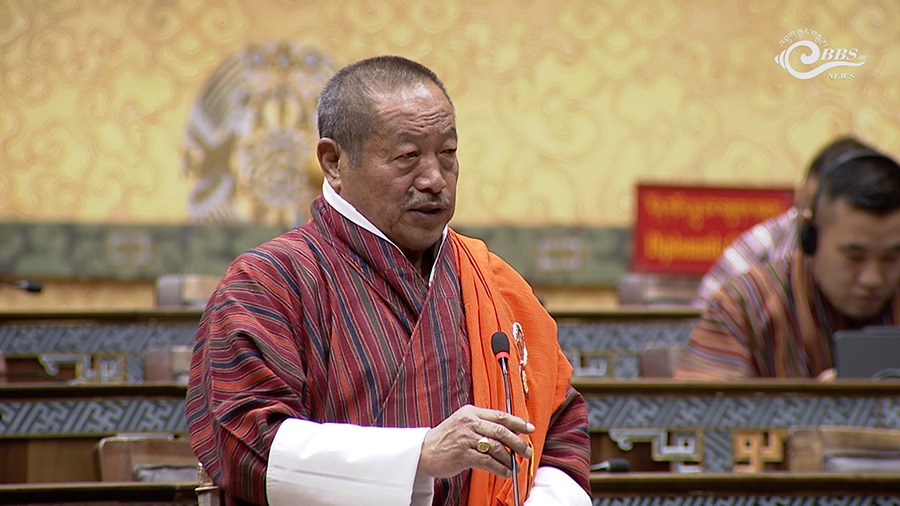 Energy and Natural Resources Minister Gem Tshering said, “The ministry, in consultation with relevant stakeholders, is discussing ways to provide compensation to people who lose their lives due to human-wildlife conflict. We are currently working on a National Human-Wildlife Casualty Relief and Accountability Framework. At present, we have no mechanism in place to present, but we are aware of the challenges—particularly elephant attacks in the south and attacks by tigers and other big cats in the north. Beyond the existing semso support, the government has not yet established a separate compensation mechanism for such cases.”
Highlighting the government’s current interventions, the minister said a government-supported insurance scheme, National Crop and Livestock Insurance, was introduced last year to cover crop and livestock damage caused by wildlife. The government pays 50 per cent of the premium. However, BBS reporting from earlier this year found that awareness of the scheme remains low.
Besides, the government has been providing chain-link and solar electric fencing to mitigate human-wildlife conflict.
Meanwhile, the Opposition Leader said, the delay in providing compensation reflects a failure to implement a legal provision that has existed for three years, while affected communities continue to suffer losses from human-wildlife conflict.
Reports show that farmers lose an estimated 8,250 metric tonnes of crops worth around Nu 171 M each year to wildlife. Wild animals also kill hundreds of livestock annually and occasionally cause human casualties.
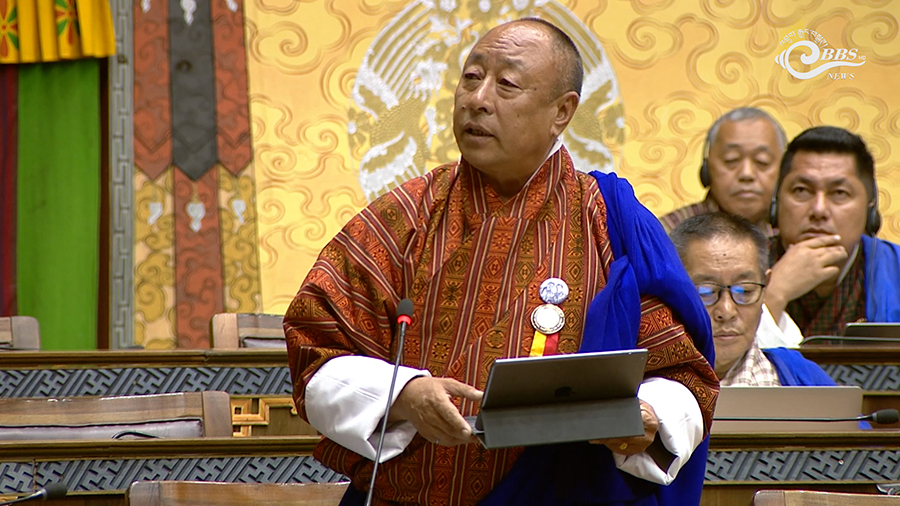 Opposition Leader Pema Chewang said, “The Act was enacted in 2023, and it is now 2026, three years later. The rules should already have been implemented. This suggests that the government has not yet taken sufficient action. Earlier, the minister mentioned that consultations and discussions are ongoing with relevant ministries and departments, and that the framework is still being developed. If that is the case, when will it be completed, and when can it be put into practice?”
Minister Gem Tshering explained that the delay in providing compensation was partly due to institutional restructuring within the government. The Department of Forests and Park Services was previously within the Agriculture and Livestock Ministry. It was brought under the Energy and Natural Resources Ministry following the government’s transformation process.
For now, the new framework may well be the relief that affected communities have long waited for. However, as every passing season brings fresh losses to crops, livestock and lives, the urgency now is not in its design, but its adoption.
Samten Dolkar