
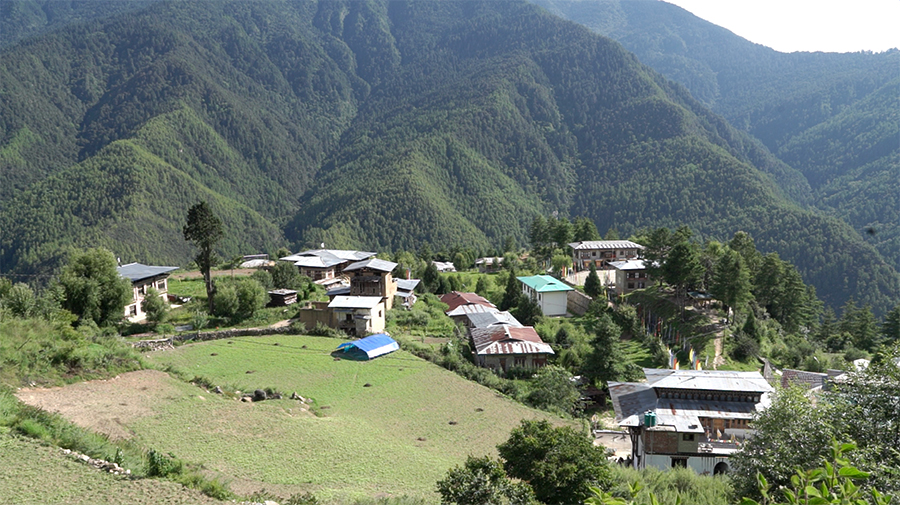
 Genye Gewog in Thimphu is seeing a boom in Matsutake business driven by increasing demand and record-high prices. Even the number of exporters more than doubled this season. Behind this growing trade is a system, the Geney Community Mushroom Management Plan, that ensures the business thrives. Matsutake exporters must follow assigned collection schedules and pay a one-million-ngultrum security deposit. And exporters lose the amount if they fail to collect the harvest on time.
Seven exporters are participating in Matsutake trade at Genye Gewog this year, up from three last year.
Before the season begins, exporters attend a meeting with the Mushroom Tshogpa and relevant stakeholders. They are briefed on collection schedules, documentation and other requirements.
The system is intended to encourage regular collection and ensure mushroom collectors have buyers throughout the short harvesting season.
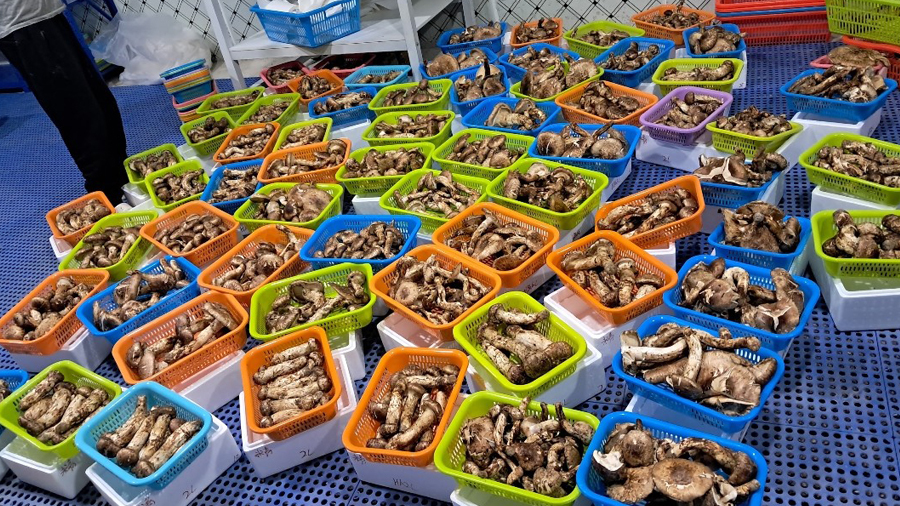 “This is my fourth year doing mushroom business in Genekha. Before the mushroom season, the Mushroom Tshogpa calls us for a meeting. They also inform us about the required documents. Interested exporters attend the meeting, where we discuss the do’s and don’ts and other requirements,” said Tshering Wangchuk, the Manager of Padma Gourmet and Foods, which exports Matsutake.
Exporters are then assigned collection days and coordinate among themselves to ensure the harvest is collected regularly.
They have to pay a security deposit, which was revised from Nu 500, 000 last year to Nu 1 M this year.
“We discussed among the exporters and agreed to increase it to Nu 1 M this year for the benefit of the people of Genye Gewog. If an exporter fails to come and collect the mushroom for a day, the Mushroom Tshogpa can forfeit the Nu 1 M to the Genye Shamu Zingchong Tshogpa,” added Tshering Wangchuk.
Last year, the mushroom tshogpa kept half the security deposit amount from an exporter after he failed to collect the harvest on time.
The arrangement is intended to prevent mushrooms from remaining uncollected and ensure collectors can sell their harvest during the limited harvesting period.
The system also penalises collectors not following proper collection guidelines. Last year, around seven collectors were fined for collecting Matsutake that were under seven centimetres.
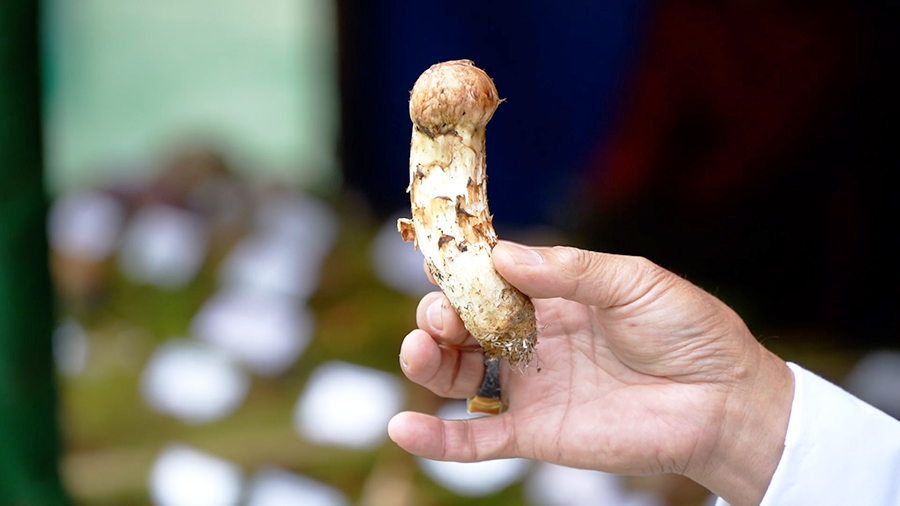 The Matsutake season in Genye generally runs from July to September, providing farmers with an important source of seasonal income.
The Matsutake management plan has been in place for years and is reviewed every 10 years to support sustainable harvesting and protect the livelihoods of the mushroom-growing community.
Karma Wangdi
Edited by Phub Gyem