
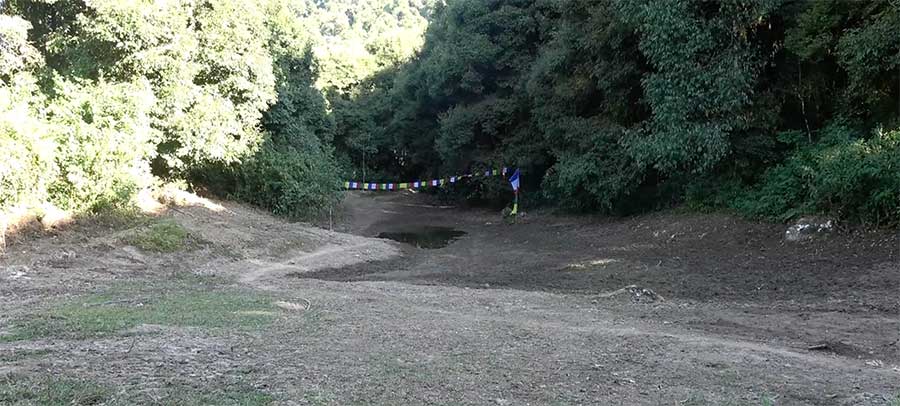
 Natural water bodies such as lakes play an important role in sustaining downstream communities by providing water for drinking and irrigation. However, the drying up of several lakes across the country has raised concerns over the long-term availability of these vital water sources.
In Tsirang, efforts are underway to restore Sukaypokhari in Rangthangling Gewog, with hopes of improving water availability for irrigation and meeting future drinking water needs.
Located about 30 minutes’ drive from Damphu town, Sukaypokhari was once an important natural water source. However, the lake dried up several years ago. Village elders say it may have started shrinking about a century ago, although nobody knows exactly when or what caused it to dry up.
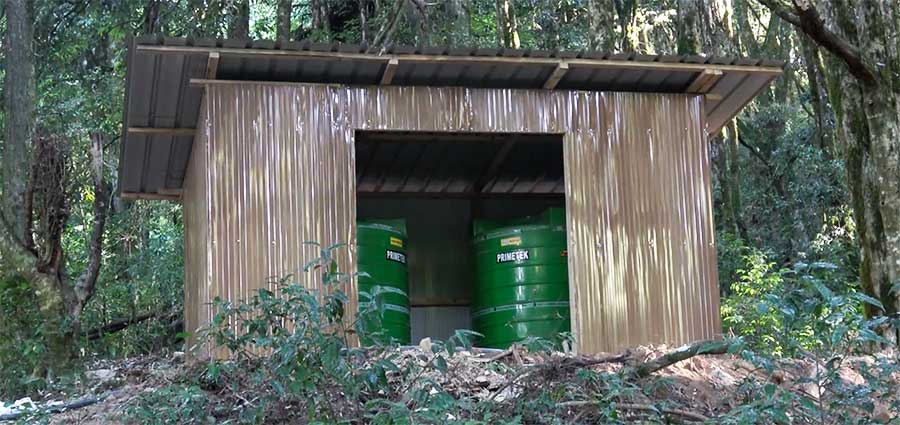
The restoration works include clearing accumulated debris, constructing a retention wall and recharging the lake with water piped from a nearby source.
The Tsirang Divisional Forest Office, in collaboration with the Rangthangling Gewog administration, is carrying out the project with funding from the International Climate Initiative, managed by the World Wildlife Fund.
For residents of Neymedsa chiwog, the revival is expected to ease water shortages, particularly during winter when their drinking water sources often dry up.
Nar Maya Thapa, a resident of Neymedsa, says a reliable water supply would also help farmers grow vegetables such as peas, spinach and radish.
Residents also expect the lake to provide water for livestock, while its overflow could benefit households in lower areas.
According to the Divisional Forest Office, the area is part of a cloud forest rich in natural water sources. The restored lake is expected to improve water availability for four gewogs in the district and serve as one of the drinking water sources for Damphu town.
Chief Forestry Officer Phuntsho Tobgay says the project was initiated in anticipation of possible acute drinking water shortages in the future.
 Besides improving water security, the restoration is expected to help revive the area’s natural ecosystem, provide better habitats for wildlife and create opportunities for tourism.
Although the immediate benefits are expected to reach a few households in Neymedsa chiwog, the restoration of Sukaypokhari is part of a longer-term effort to conserve natural water sources and strengthen water security in Tsirang.
Pema Tshewang
Edited by Tandin Phuntsho