 Recovering from a stroke can leave many people dependent on caregivers for daily activities. But a new rehabilitation centre planned in Drepong, Monggar, aims to help survivors regain their independence through agriculture. The Agri-therapy Rehabilitation and Wellness Centre is expected to open in February next year.
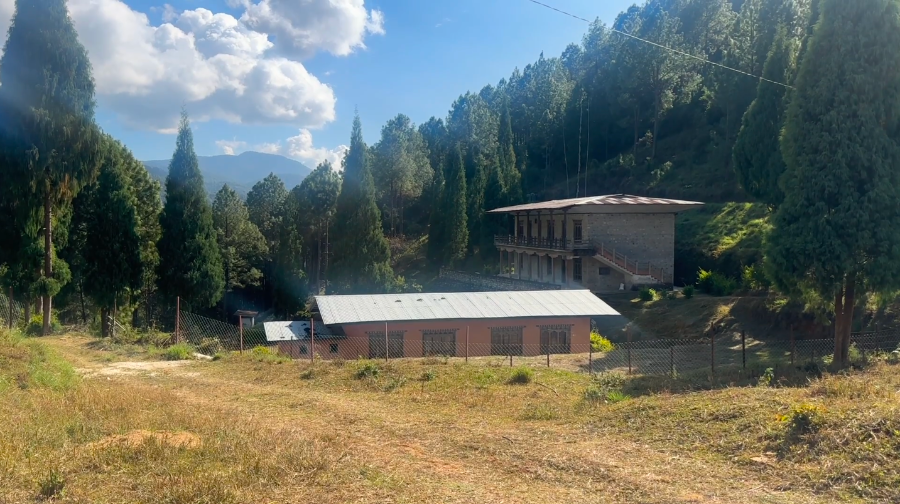 The centre will be established at an unused community school in Drepong gewog. The school will be turned into a living and working space where patients can use agriculture as a form of physical rehabilitation. The programme will run for at least six months, starting with ten patients.
According to the Bhutan Stroke Foundation, more than 300 people in Monggar live with different forms of disabilities, including around 28 in Drepong.
Rinchen Khandu, Executive Director of the Bhutan Stroke Foundation, said, “After medical treatment, patients will use agriculture, horticulture and other farm activities as physical exercises. We are starting this pilot project in Drepong for patients in the eastern region.”
Tshering Tshomo, Project Coordinator at the Bhutan Stroke Foundation, said, “We will initially take patients who have recovered around 80 to 90 per cent, can walk and manage their daily activities. We cannot accommodate bed-ridden patients at this stage. We currently have two field officers at the centre and will provide them with caregiver training. In the future, we have plans to bring in counsellors and psychologists.”
The centre will accommodate people with different disabilities, with priority given to stroke survivors.
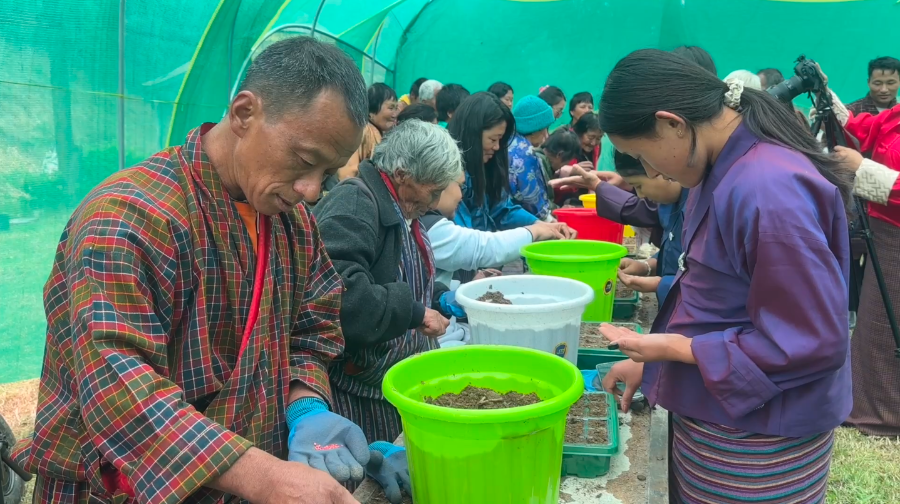
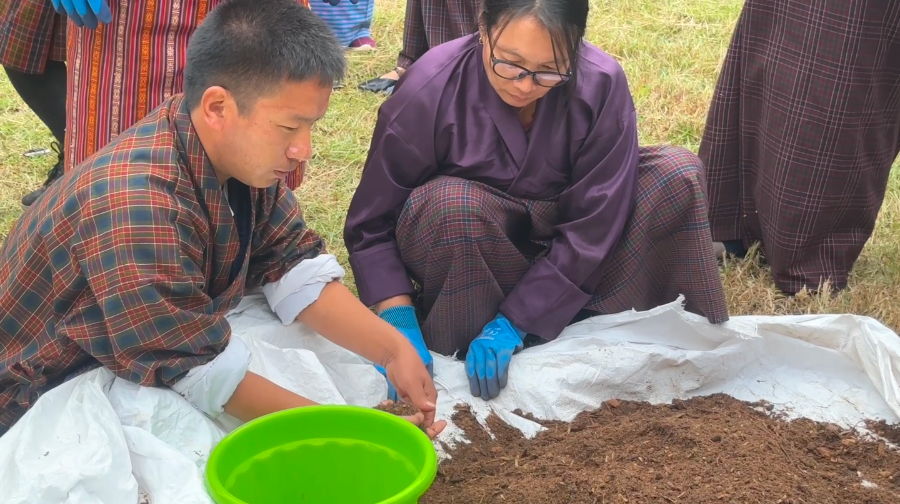 Meanwhile, officials from the Agriculture Research and Development Centre in Wengkhar are conducting a three-day training for 24 people with disabilities in Drepong. The training aims to introduce participants to agri-therapy. Participants are learning basic farming skills, including soil preparation, making beds, sowing and watering.
Dorji Om, Programme Officer at the Food and Agriculture Organization, said, “Agri-therapy introduces agriculture to persons with disabilities and stroke survivors, not just as a way to grow vegetables, but as a means to restore dignity, create employment opportunities and promote social inclusion.”
Kinley Wangmo, Programme Officer at the Agriculture Research and Development Centre in Wengkhar, Monggar, said, “Agri-therapy is new in our country, so we are also not prepared. Therefore, it is an opportunity for us as well, so we take it as a learning opportunity. We are providing activities related to physical exercises that involve bodily movements.”
Among the participants is 47-year-old Lhanga Dorji from Samdrup Jongkhar. He suffered a stroke in 2021 and lost movement on the right side of his body. After years of recovery, he can now walk and has gradually returned to gardening.
Lhanga Dorji, a stroke survivor from Samdrup Jongkhar, said, “I came here all the way from Samdrup Jongkhar because I believe this approach will work. I am interested in the therapy. Although I do not have a greenhouse at home, I often work in my neighbours’ gardens. I have improved a lot since the time I could not walk.”
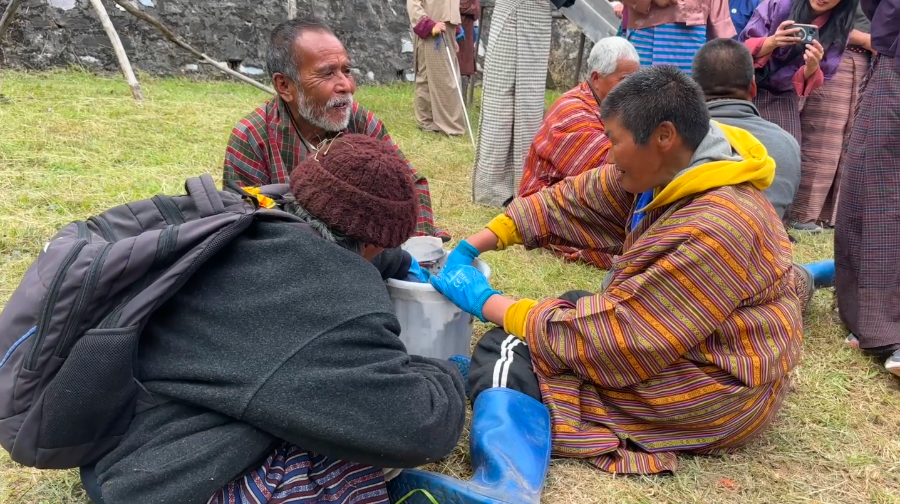 Other participants also see the centre as an opportunity to become more independent.
Norbu Tshering, a resident of Silambi Gewog in Monggar, said, “We are told the centre will have disability-friendly facilities and programmes. For people like us who are blind, they plan to grow vegetables with distinct smells and textures, such as strawberries, so we can participate.”
Sherab Dorji, a resident of Khoma Gewog in Lhuntse, said, “We depend on caregivers to travel, so we cannot go everywhere and often remain idle. We tend to overthink and suffer from depression. Here, we can take part in farming, from sowing seeds to harvesting. This will give us a sense of fulfilment and boost our morale.”
The pilot project draws inspiration from Japan’s Kyoto Ohara Memorial Hospital, known for its Green Farm Rehabilitation programme.
The Bhutan Stroke Foundation is implementing the project with support from the Food and Agriculture Organization and technical assistance from the Agriculture Research and Development Centre in Wengkhar.
If successful, the initiative could provide a model for inclusive agriculture and rehabilitation programmes across the country.
Namgay Wangchuk, Monggar
Edited by Sangay Chezom