 Local governments make decisions that affect people’s daily lives, from waste management and urban planning to roads and public services. But in Thimphu and Phuentshogling thromde, only one in three registered voters took part in choosing their local representatives this year. The Election Commission of Bhutan recorded a voter turnout of about 34 per cent, the lowest in the past three thromde elections. The Commission says limited public awareness may have contributed to the decline.
The elected representatives in thromdes will play an important role in shaping urban development and delivering services for their communities.
However, the thromde election yesterday saw a lower level of participation among eligible voters.
Of the more than 10,000 registered voters in Thimphu and Phuentshogling thromde, only 3,426 took part in choosing their local representatives.
Women made up the majority of those who cast their ballots. Of the total voters who participated, close to 2000 were women, compared to a little over 1,500 men.
In terms of age, voters between 25 and 45 years made up the largest group of participants, with around 1,250 people casting their votes.
According to the Election Commission of Bhutan, the turnout marks a decline from previous thromde elections. Participation stood at 59.46 per cent in 2021 and 37.25 per cent in 2016.
The low turnout has raised concerns over voter participation in local government elections.
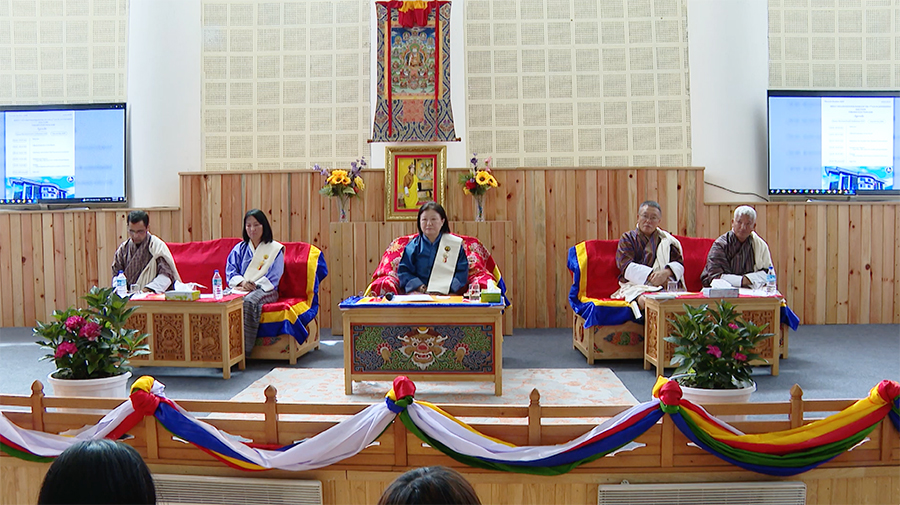
During the official result declaration, the commission said local government elections have traditionally seen lower participation but acknowledged the need to improve public awareness.
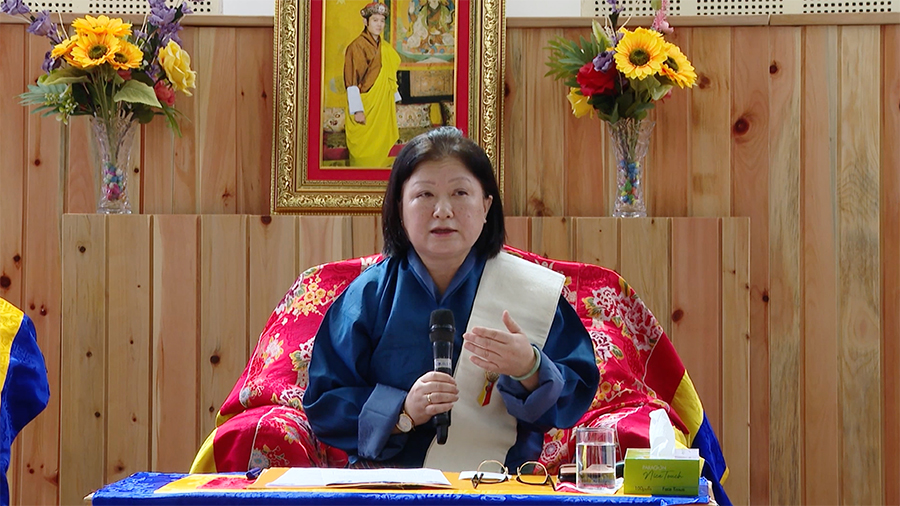
“We are very concerned and are making efforts to encourage more people to come forward and cast their votes. What is equally important is raising public awareness, and the media has a vital role to play in engaging and informing the public well before polling day,” said Chief Election Commissioner Deki Pema.
While the elected representatives now begin their work, the Commission said that meaningful local governance depends not only on those who are elected but also on citizens who participate.
It urged people to exercise their right to vote and be part of decisions that shape their communities.
Deki Lhazom & Tashi Dekar
Edited by Sangay Chezom