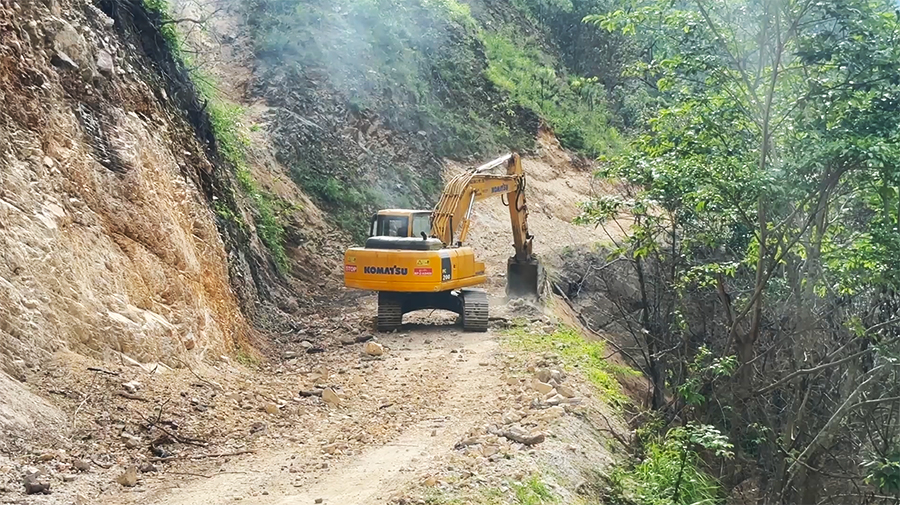
 Travelling on dzongkhag roads in Monggar is gradually becoming safer and easier. As the government upgrades roads that were originally built as farm roads, commuters are seeing better access to markets and essential services, while transport costs and vehicle wear are expected to fall. One of the latest roads undergoing an upgrade is the challenging Kengkhar Dzongkhag Road.
For years, many dzongkhag roads in Monggar were narrow farm roads that struggled to meet growing travel demands. Sharp bends, steep gradients and limited road width often made journeys difficult and risky.
The Department of Surface Transport is now upgrading these roads to improve safety and connectivity.
Improvement works on the Silambi Dzongkhag Road were completed last year, while upgrades on the Gongdu road are underway. Roads in Jurme and Tsamang are planned for improvement this financial year, with Chhali scheduled for next year.
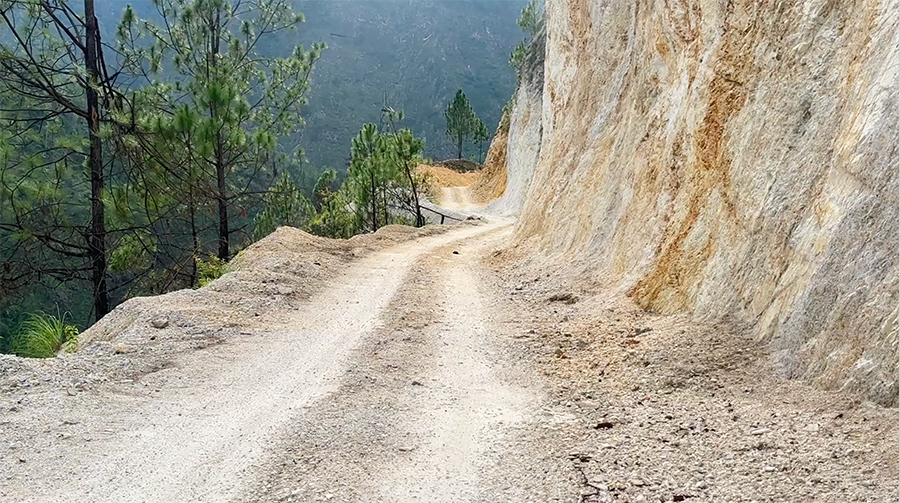 The 22-kilometre Kengkhar Dzongkhag Road is one of the roads currently being upgraded. The road branches off from the Gyalpozhing-Nganglam Highway at Zimzorong, about 14 kilometres from Gyalpozhing town, and connects communities in two gewogs before reaching Yuldari Chiwog in Kengkhar Gewog.
Built as a farm road, much of the route is only two to three metres wide. Its steep slopes and sharp bends have long challenged drivers, especially when vehicles meet on narrow sections.
To improve safety, the government is investing more than 172 million ngultrum to widen risky sections, cut steep slopes, construct retaining walls and resurface the road. Work is currently underway between Zimzorong and Tongla village and is expected to complete in early 2028.
“The road towards Kengkhar is narrow and steep, posing serious risks when vehicles meet. The ongoing works have already made a difference, and travel is becoming safer and more convenient for commuters,” said Leki Wangda, a commuter.
“The condition of the road is improving. There’s this sharp turn that used to make us all nervous every single time. Now, curve is gentle and it is a relief,” said Phurbala, a commuter from Jurme Gewog.
The Department says it will focus on improving the sections that pose the safety risks rather than widening the entire stretch.
“This road was built as a farm road, so it is only two to three metres wide, compared to the 3.5-metre standard for a dzongkhag road. We will widen the narrow and risky sections and cut steep slopes to make travel safer and more comfortable,” said Kinzang Dorji, the chief engineer for the Lingmithang Regional Office, Department of Surface Transport.
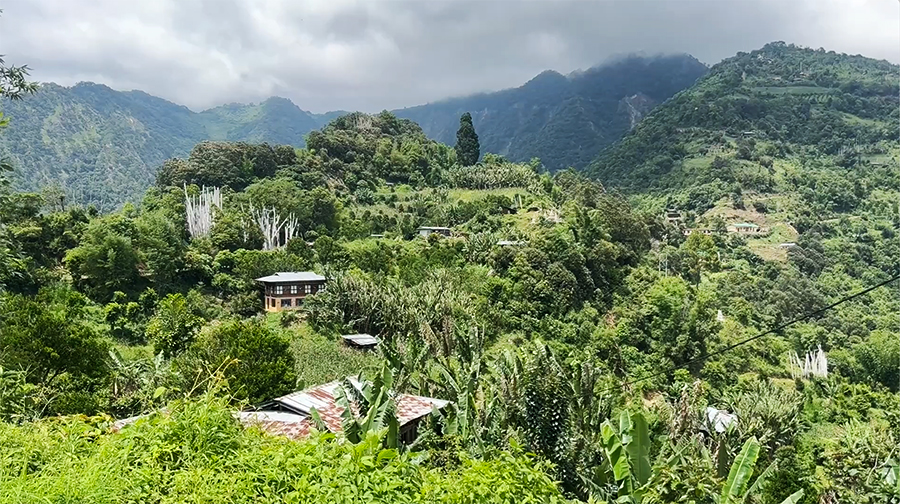 For the people who rely on these roads every day, the upgrades mean far more than a smoother drive. They promise safer journeys, quicker access to schools, hospitals and markets, lower transport costs and better connectivity for communities across Monggar.
Namgay Wangchuk
Edited by Sangay Chezom