
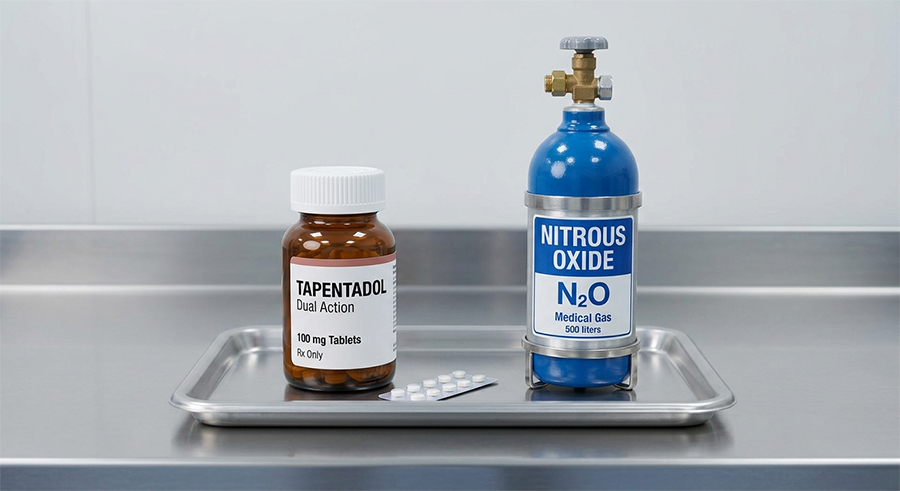
 Some pain management medications and medical gases will now be available only under tighter regulations. Following reports of widespread misuse, particularly among Bhutanese youth for recreational purposes, the Bhutan Food and Drug Authority has brought two such substances under stricter legal control. This means unauthorised possession, sale, and misuse of these drugs is punishable by law. The Authority says the move is aimed at curbing substance abuse while ensuring patients who genuinely need the medicine have continued access.
Tapentadol, a prescription painkiller, has now been listed under Schedule III of the Narcotic Drugs, Psychotropic Substances and Substance Abuse Act. It means the drug is legally allowed for medical purposes under strict regulation and a permit from the BFDA.
Anyone trafficking and in illegal possession of the drug is punishable for up to nine years in prison.
Meanwhile, Nitrous Oxide, commonly known as laughing gas, has been placed under Schedule VI, requiring tight regulation for its possession, sale or import. Selling or distributing the substance to a minor is considered a misdemeanour and carries a sentence of up to three years.
The Bhutan Food and Drug Authority says the decision follows growing evidence of misuse and illegal trafficking of both substances.
According to the Authority, reports from the Royal Bhutan Police, field intelligence, seizure records and recommendations from a multi-stakeholder technical working group all pointed to an emerging problem.
Authorities observed increasing recreational use of Nitrous Oxide, particularly among young people during parties and social gatherings. Discarded canisters and balloons recovered during surveillance operations further indicated the growing trend.
At the same time, Tapentadol has increasingly been trafficked and misused.
Last year alone, the Royal Bhutan Police seized more than 3,900 tapentadol capsules, with major seizures reported in Thimphu, Samtse, and Phuentshogling.
“The decision to bring both substances under regulatory control is a proactive measure aimed at preventing the problem from escalating further while ensuring their legitimate medical and industrial uses remain appropriately regulated,” said BFDA.
For the general public, patients can continue using Tapentadol if it has been prescribed by a registered medical practitioner.
“Patients who genuinely require Tapentadol will continue to receive it through authorised healthcare facilities. These measures are intended to prevent diversion into the illegal market, not to deny access to essential treatment,” added the Authority.
Meanwhile, businesses importing or selling Nitrous Oxide must have valid business licenses.
According to the Authority, “Nitrous Oxide is often perceived as harmless, but recreational inhalation can lead to serious neurological damage, oxygen deprivation and even permanent disability. The goal is to save lives, prevent harm and encourage people to seek help early if they are struggling with substance use.”
The Authority says the law also adopts a treatment-oriented approach for people identified with substance abuse.
Instead of focusing solely on punishment, first-time users may be referred for assessment, counselling, treatment and rehabilitation, while repeat offences will attract stricter legal consequences.
The Authority adds that inspections across pharmacies and healthcare facilities will be intensified, alongside continued public awareness campaigns targeting businesses, healthcare workers, local governments and at-risk groups.
Anita Chhetri
Edited by Phub Gyem