A recent fire in Toktokgom village in Chhukha, which destroyed nine houses, was a stark reminder of how vulnerable Bhutan’s closely clustered villages are to fire. In Trongsa, one community is not waiting for a disaster to strike. Residents of Uesa village under Dragteng Gewog now have a fire hydrant, giving them a fighting chance to contain a fire before help arrives.
For many Bhutanese, the fire that swept through Toktokgom village in Chhukha was a reminder of how quickly disaster can strike in traditional settlements where houses stand side by side.
That concern has long been shared by the people of Uesa village in Trongsa.
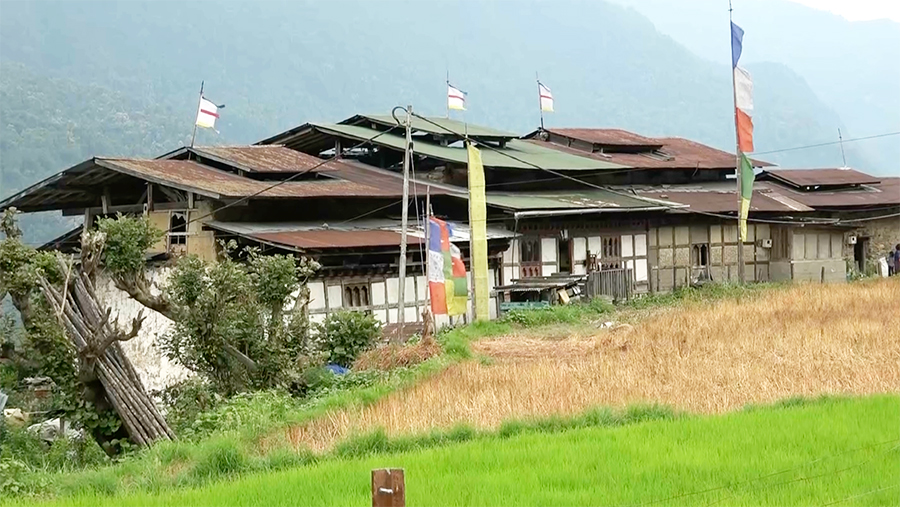 Home to around 30 households, the traditional wooden houses were built close together by generations of ancestors. While the settlement reflects the rich architectural and cultural heritage, it also leaves the community vulnerable if a fire breaks out.
The residents say the risk is even greater during the day, when most working-age residents leave for work, leaving behind mainly elderly people and children.
“Whenever we are out, we always worry that a fire may cause a disaster in our village. If that happens, it would not be possible to fetch enough water from the tap to control it,” said Nala, a resident of Uesa.
“In the past, there was always a risk of a fire disaster. Now, we are grateful that the government has provided us with a fire hydrant,” said Dechen Choden, another resident of Uesa.
Uesa Tshogpa Dolkar said, “There was always a risk to the safety of our village because only elderly people and children remain at home during the daytime. With this support, we expect some form of protection, even if it does not guarantee cent per cent safety.”
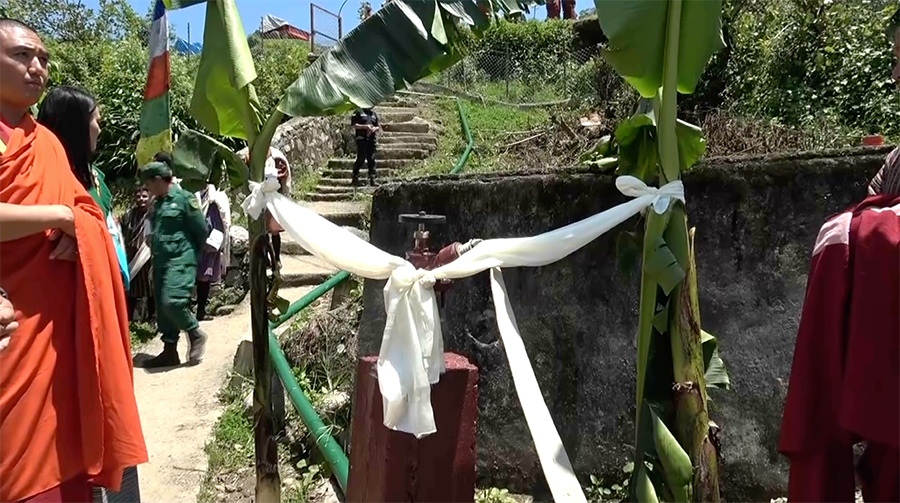 A fire hydrant has now been installed at a strategic location, providing an immediate source of water during emergencies.
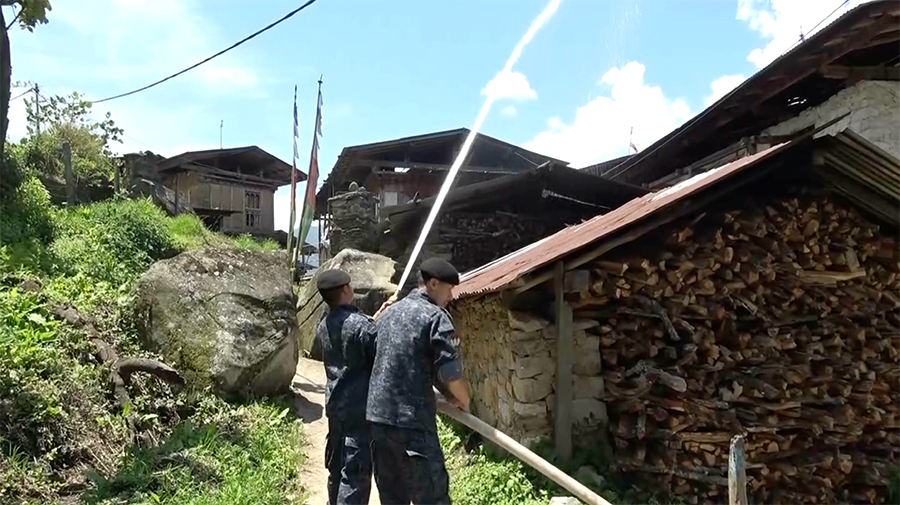 Residents say the facility could help contain a fire in its early stages, giving them valuable time before firefighters arrive.
Dragteng Gup Dubala said, “The houses are closely built, and they are constructed in the traditional style. The village is also located along the highway, so tourists can stop here and learn about the way of life and living culture of our ancestors.”
The Dragteng Gewog administration has spent almost Nu 2 M on its installation, and the facility was handed over to the community recently.
House fires are the most common fire incident in the country. According to the Statistical Yearbook 2024 of the Royal Bhutan Police, of the 139 fire incidents reported in the year, more than half were house fires.
For the people of Uesa, the new fire hydrant alone cannot make a village fireproof. However, it buys the one thing that matters most when a fire breaks out: time. And with it, the hope of protecting not just their homes, but a village their families have called home for generations.
Thinley Dorji, Bumthang
Edited by Sangay Chezom