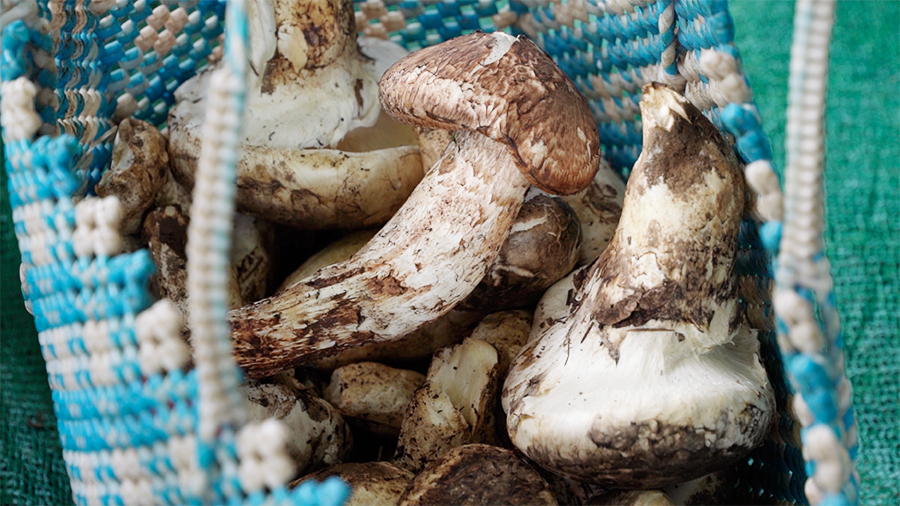
 Demand for Bhutanese matsutake is growing, particularly in Japan, but exporters say they are struggling to meet international orders due to limited supply. In Genye Gewog in Thimphu, matsutake collection provides seasonal income for local communities and exporters. However, concerns are growing over declining production and the sustainability of mushroom-growing areas.
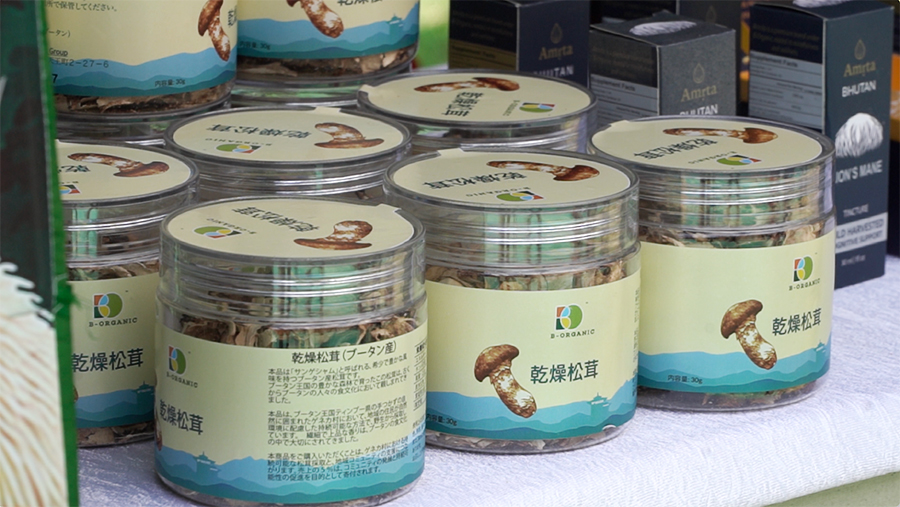 Bhutanese matsutake is finding a growing market overseas, particularly in Japan, where the mushroom is considered a delicacy. But for exporters in Genye, the challenge is not finding buyers; it is finding enough mushrooms to meet their orders.
Padma Gourmet and Foods, one of the exporters in Genye, says its Japanese buyer requires at least eight metric tonnes of matsutake a year. However, the company has been able to export only around 3.5 to four metric tonnes annually.
“Japanese companies demand around 400 to 500 kilogrammes of mushrooms at a time. However, due to limited supply from our country, we are unable to meet their demand,” said Tshering Wangchuk, Manager, Padma Gourmet and Foods.
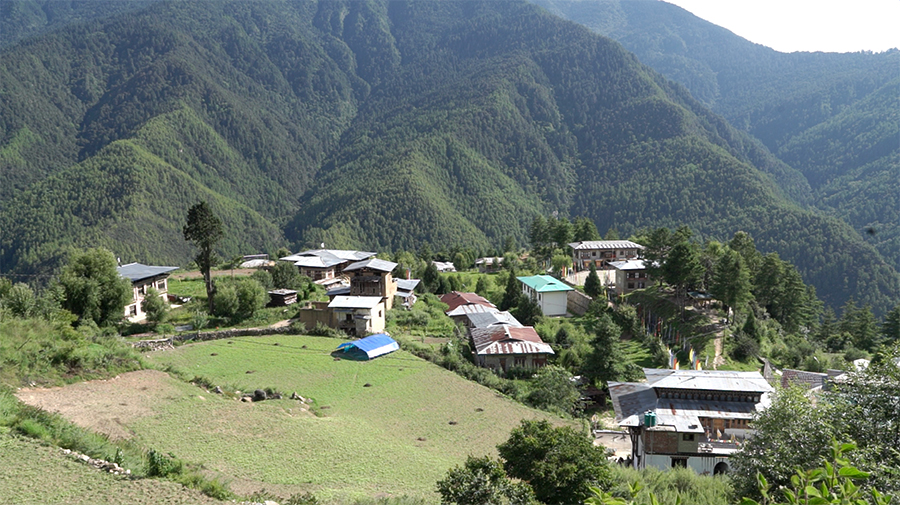 Most of the company’s supply comes from Genye. Matsutake is also found in places such as Ura in Bumthang and Haa. But exporters say transporting the mushrooms over long distances makes it difficult to source them commercially.
“We receive some mushroom supply from Ura in Bumthang and Haa. However, because of the long distance from Bumthang, we are unable to export mushrooms from there. We are able to source only a few kilogrammes from Haa,” added Tshering Wangchuk, Manager, Padma Gourmet and Foods.
At the same time, the number of exporters in Genye has increased from three last year to seven this year.
For local collectors, the growing market means an opportunity to earn seasonal income. They can earn between Nu 100,000 and 300,000 each season from mushroom collection.
But while the market is growing, the supply has not increased at the same pace.
According to the gewog forestry office, collectors harvested close to 7,500 kilogrammes of matsutake mushrooms in 2024 and nearly 7,000 kilogrammes last year.
Local collectors say production has declined over the long term.
“Mushroom production is declining as the number of collectors increases. Some collectors damage the harvesting sites and soil, while others cut trees, which can affect mushroom production,” said Sangay, Chairperson, Genye Shamu Zinchong Tshogpa.
There are also concerns over whether changing climatic conditions could affect matsutake production. Matsutake in Genye is mainly found in areas where oak trees grow. Forestry officials say changes in temperature and vegetation could potentially affect these habitats.
“In places like Genekha, matsutake are mostly found in areas where oak trees grow. If temperatures increase and the oak trees dry up, there is a possibility that mushroom production could also decline. However, since no research has been conducted, I cannot say this is directly linked to climate change,” said Chorten, Range Officer, Khasadrapchu Range Office.
Forestry officials say protecting mushroom-growing areas is important to sustain production.
“To preserve matsutake, the National Mushroom Centre provides training. We also protect mushroom-growing areas by preventing people from cutting trees wherever they want. We advise collectors not to litter in the forest. Every year, before the collection season, we conduct meetings and remind them to follow the plans and protect the mushroom-growing areas,” said Chorten, Range Officer, Khasadrapchu Range Office.
With overseas demand rising, Genye now faces the challenge of increasing the economic benefits of matsutake while protecting the forest resources that sustain the trade.
Karma Wangdi
Edited by Sonam Pem