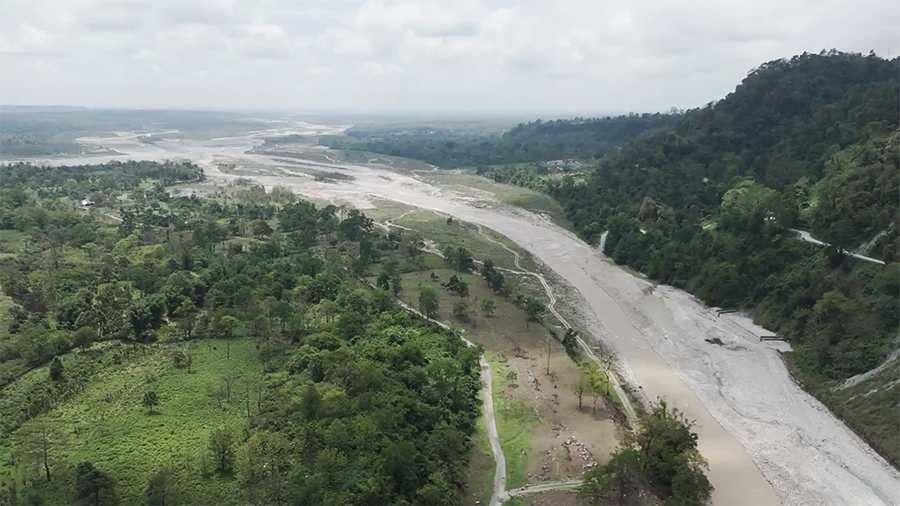
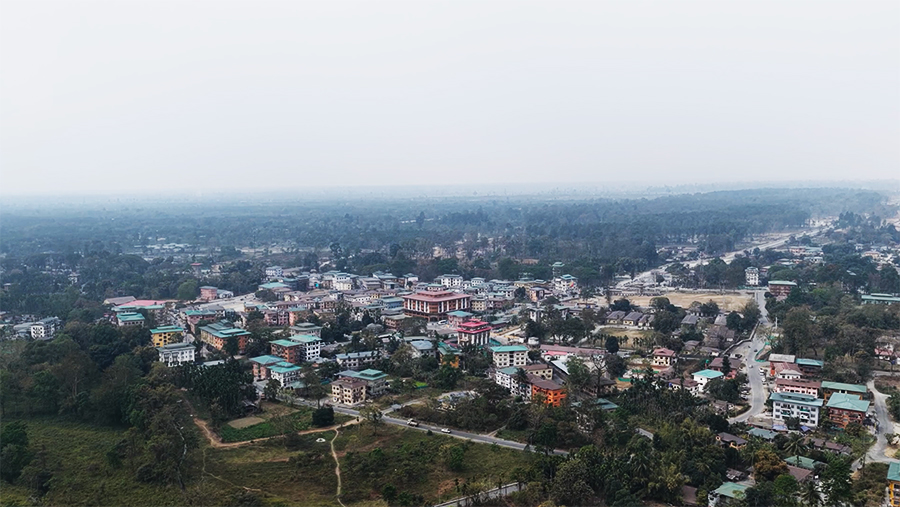
 The Gelephu–Tareythang Road Project, a key infrastructure initiative linked to the Gelephu Mindfulness City, is moving closer to construction as it reaches an important planning milestone. The government says the Detailed Project Report (DPR) will be completed by the end of this year, after which the project will proceed to tendering. Construction is expected to begin by mid-next year. Once completed, the project is expected to significantly improve connectivity in southern Bhutan while incorporating measures to protect sensitive wildlife habitats along the alignment.
At present, the journey between Gelephu and Tareythang covers nearly 45 kilometres through a winding route. Under the proposed alignment, the distance will be reduced to about 14 kilometres, cutting travel time to less than 15 minutes.
The proposed road will run along the Bhutan–India border and link Gelephu Thromde with Chhuzanggang, Umling and Tareythang gewogs.
According to the Ministry of Infrastructure and Transport, the project is currently in its detailed design stage, with most technical studies, including engineering, traffic, hydrology and environmental assessments, already completed.
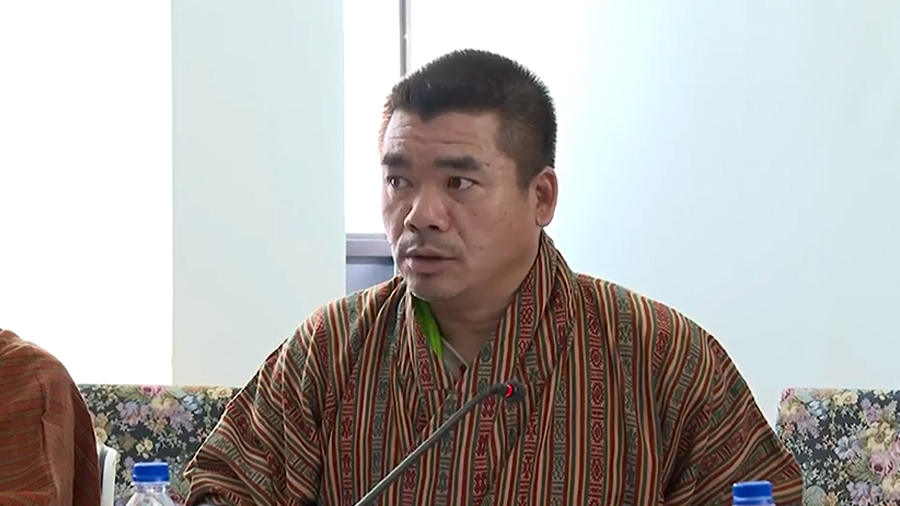 Infrastructure and Transport Minister Chandra Bahadur Gurung said, “The project is funded by the World Bank at a cost of about USD 232 M. The road will be around 12 kilometres in total. We will have a four-lane road from Gelephu to Chhuzanggang. There will also be about a one-kilometre bridge over the Mau River, and that bridge will also be four lanes.”
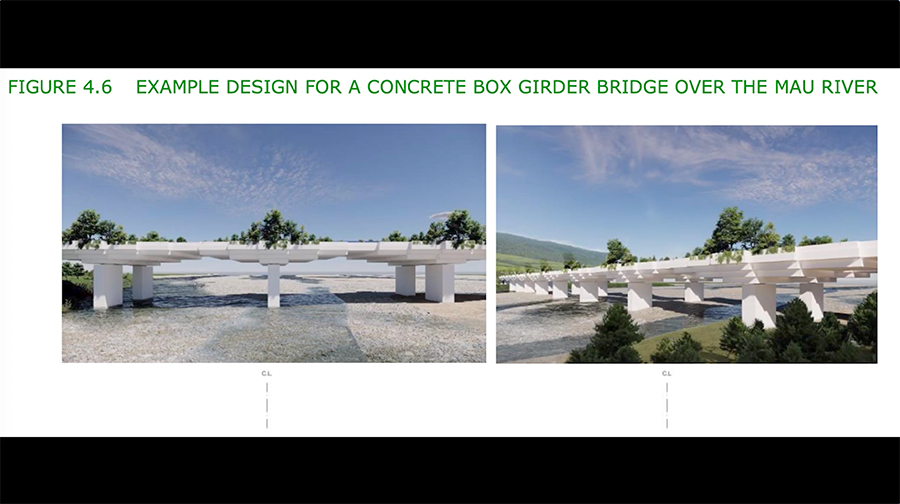 A major highlight of the project is the planned one-kilometre bridge over the Mau River and its floodplain, designed to maintain natural river flow while ensuring seamless connectivity across the valley.
For decades, a bridge over the Mau River has remained one of the most frequently repeated election pledges by successive governments, yet it never materialised. With the development of Gelephu Mindfulness City now underway, that long-awaited promise is finally moving toward reality.
Beyond connectivity, the project places strong emphasis on environmental protection. According to the Environmental and Social Impact Assessment prepared by the Department of Surface Transport under the Ministry, wildlife conservation has been integrated into the road design from the outset.
The report says the project includes measures to minimise habitat fragmentation and protect critical habitats for both the endangered Asian elephant and the Gee’s Golden Langur, making it one of Bhutan’s most environmentally sensitive road projects.
Bridges over the Jengkhurung, Taklai, Langer, and Singye rivers have also been designed to facilitate safe wildlife movement and reduce ecological disruption.
The minister said, “As of today, we are in the process of preparing the Detailed Project Report. The report will be ready by the end of the year. We will then proceed with the tendering process and expect construction to begin by the middle of next year.”
 Once completed, the road is expected to do more than shorten a journey. It will enhance access to the emerging Gelephu Mindfulness City, strengthen regional connectivity, and finally deliver a long-awaited bridge over the Mau River, an infrastructure milestone decades in the making.
Passang Dorji/Karma Wangdi, Gelephu