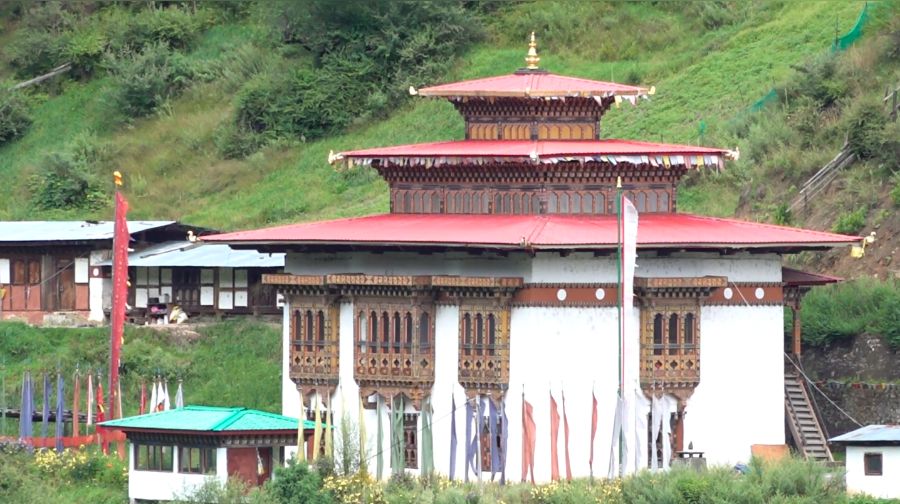
 Haa is home to more than 40 temples and monasteries, including ancient shrines such as Lhakhang Karpo and Lhakhang Nagpo, believed to date back to the seventh century. Maintaining the religious sites remains a priority for the district. But the Dzongkhag Tshogdu is now seeking clarity over the release of funds allocated for religious infrastructure projects.
Temples and monasteries hold deep spiritual and historical significance. But the district says progress on religious infrastructure projects has been slow due to uncertainty over funding.
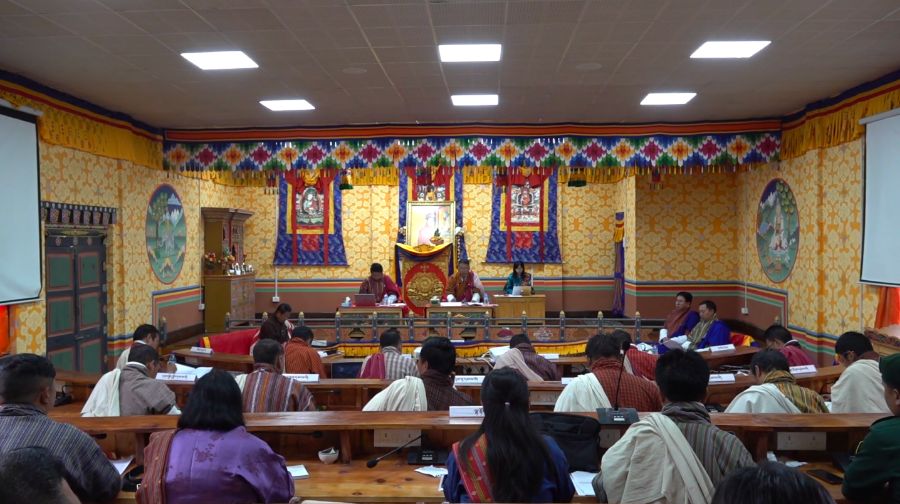 The concern was raised during the 11th Haa Dzongkhag Tshogdu last week, as the 13th Five-Year Plan enters its third year, leaving only two years for implementation.
According to the Dzongkhag Tshogdu, Haa was allocated about 143 million ngultrum for religious infrastructure development under the 13th Five-Year Plan.
The allocation made Haa the second-highest recipient of religious infrastructure funding among the 20 districts. However, the district says only about 50 million ngultrum has been released so far.
This has raised concerns among communities waiting for funds to renovate or develop temples and other religious sites.
Dzongkhag Tshogdu Chairperson Tenzin Jamba said, “What we are worried and disappointed about is the budget allocation from the Dratshang Lhentshog. Haa was allocated the second-highest amount. However, when we look at the lack of development of religious infrastructure in Haa over the past three years, both the local government and the people are disappointed.”
The confusion, however, dates back to the planning stage of the 13th Five-Year Plan. The house said there were differences between the projects proposed by the district and those eventually included in the Dratshang Lhentshog’s plan.
The district had consulted local temples, monasteries and Lams before identifying the works needed at each site.
The chairperson said, “When we were preparing for the 13th Five-Year Plan, we consulted all the monasteries and temples and the Lams. We assessed the work needed at each site. We included those needs in our proposal and submitted it for the Five-Year Plan. However, those activities were not included in the Dratshang Lhentshog’s Plan.”
Although the proposals differed, the Dzongkhag Tshogdu said it was satisfied with the Dratshang Lhentshog’s overall plan
However, members are now seeking clarity on how much of the remaining budget will be released and when the projects can be implemented.
With only two years remaining in the plan period, the house is also concerned about whether the remaining funds can be utilised before the end of the 13th Five-Year Plan.
The Tshogdu has resolved to seek clarification from the Dratshang Lhentshog and submit the matter to the Cabinet Secretariat.
Karma Samten Wangda, Haa
Edited by Tandin Phuntsho