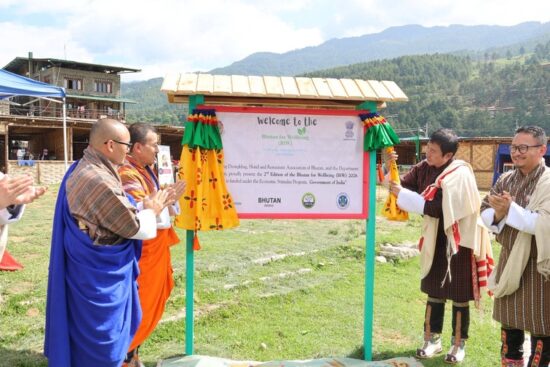
 As Bhutan looks beyond traditional tourism and economic growth models, the country is increasingly promoting well-being as both a national development goal and a potential driver of economic opportunity. In Bumthang, the second edition of Bhutan for Well-Being brought together government agencies, tourism stakeholders, health practitioners, and residents to explore how physical, mental, and spiritual well-being can contribute to healthier communities and attract visitors seeking meaningful experiences.
The streets of Chamkhar town came alive over the past two days as hundreds gathered for the event. Participants attended meditation sessions, traditional healing practices, music therapy programmes, and mindfulness activities designed to promote healthier lifestyles.
The programme comes at a time when mental health, healthy living, and preventive healthcare are receiving increasing attention worldwide. In Bhutan, where Gross National Happiness places well-being at the centre of development, initiatives such as these seek to make those principles visible and accessible to communities.
“It is critical that first our people are made aware of the well-being of one’s body, speech, and mind. And when we achieve that, it will encourage outsiders to look at our society and people as an example, and encourage them to visit Bhutan to experience it,” said Tashi Dendup, Executive Director, Hotel and Restaurant Association of Bhutan.
Beyond the celebrations, the initiative also reflects a broader national conversation: how Bhutan’s development philosophy can be translated into practical benefits for citizens and the economy.
Organisers believe wellness tourism could become an important niche market for Bhutan, complementing the country’s broader tourism strategy and creating new income opportunities for local communities.
The district administration, Hotel and Restaurant Association of Bhutan, and the tourism department jointly organised the event with funding from the Economic Stimulus Programme.
For now, the second edition has concluded, but its longer-term success will likely be measured by whether it can generate sustained community participation, support local businesses, and contribute to Bhutan’s wellness tourism sector beyond the duration of the festival.
Thinley Dorji, Bumthang
Edited by Sonam Wangdi