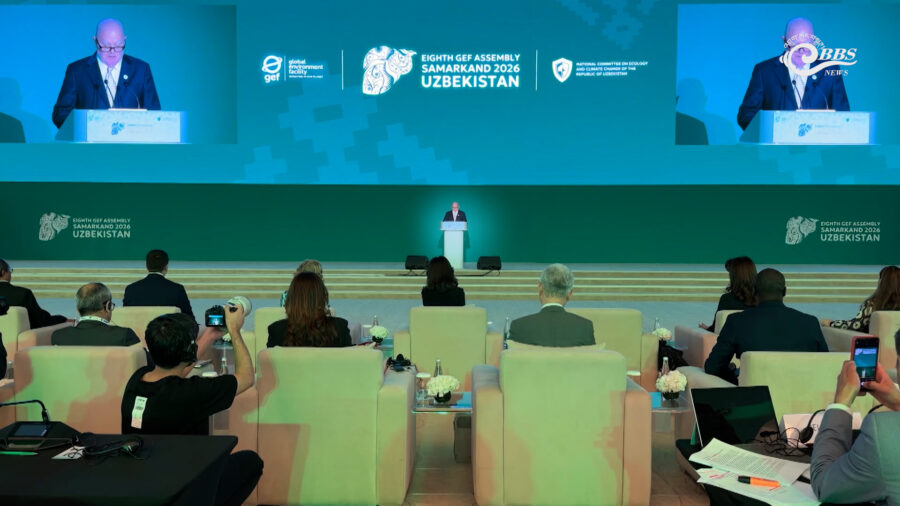
 Bhutan has secured the Global Environment Facility’s continued support to finance environmental projects. GEF has officially extended its Least Developed Countries Fund (LDCF) to Bhutan for two more upcoming cycles. The fund supports the world’s most vulnerable nations in adapting to the impacts of climate change.
The decision was endorsed during the Eighth GEF Assembly in Samarkand, Uzbekistan, following formal approval by the GEF Council.
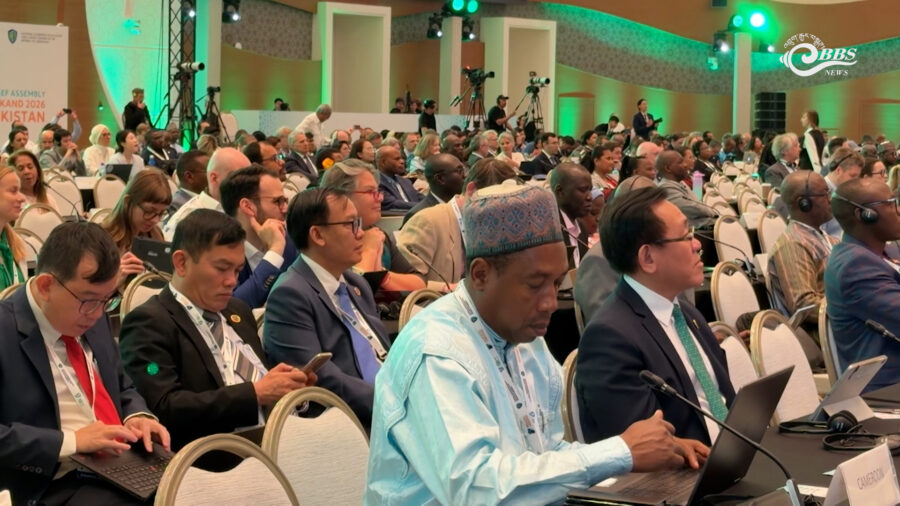 Representatives from 186 member countries gathered to finalise the move.
The fund’s primary focus areas include agriculture and food security, water resources management, early warning and climate information services, and nature-based solutions.
Bhutan secured the funding for the GEF-9 cycle, which runs from next month through to June 2030, and the subsequent GEF-10 cycle.
Member countries endorsed a USD 3.9bn programming direction for the GEF-9 cycle. Countries that have recently graduated can access up to USD 10 M in the GEF-9 cycle, while LDCs can access up to USD 20 M. The amount each country can access in the GEF-10 cycle will be decided upon completion of the GEF-9 cycle.
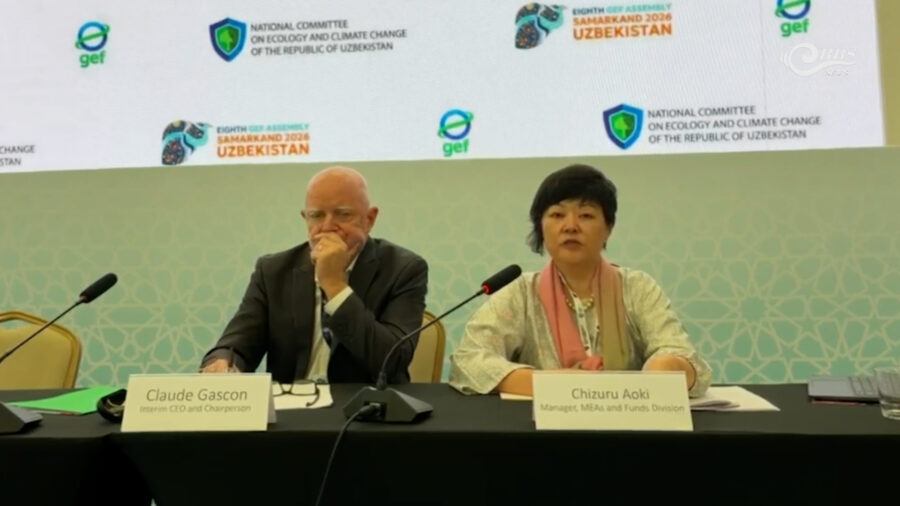 “The recently graduated LDCs, including Bhutan, will continue to get support. So we will have more of a softer landing, while recognising that the recently graduated LDCs still have priorities as well as adaptation needs. So, in the strategy, there is a plan to ensure that the graduated LDCs will continue to get support for the two cycles,” said Chizuru Aoki, Manager, MEAs and Funds Division, GEF.
The GEF states that its ninth replenishment package is not just about money; it introduces structural reforms to make the organisation faster, simpler, and more accountable.
Key strategic priorities for GEF-9 include integrated programmes targeting transformations across nature, food, urban, energy, health systems, whole-of –government and whole-of-society engagement, deepening participation of civil society, youth, women, and the private sector, among others.
With these reforms, the goal is to ensure that resources reach the communities that need them most, more efficiently than ever before.
Phub Gyem, Samarkand, Uzbekistan
This story is produced as part of a reporting fellowship to the Eighth GEF Assembly supported by Internews’ Earth Journalism Network.