
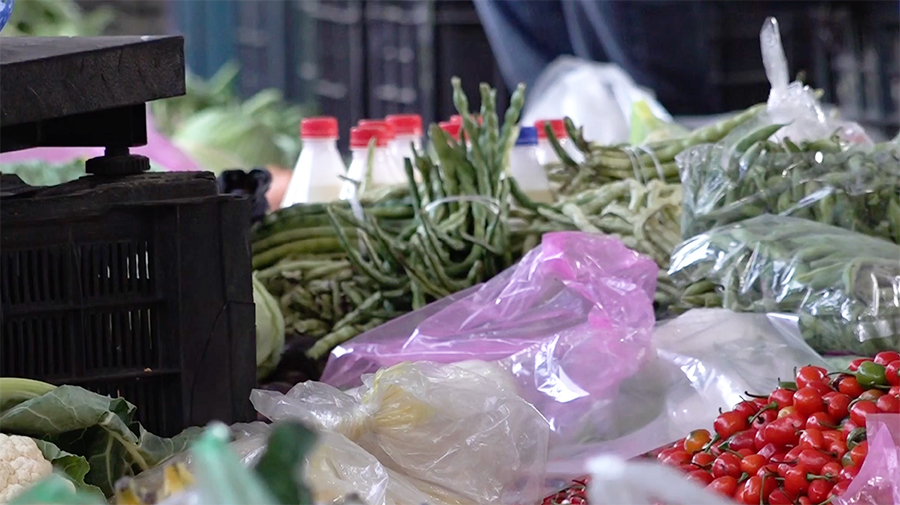
 Waste generation in Bhutan has increased by 40 per cent over the past six years, with plastic remaining one of the biggest waste challenges, according to Waste Inventory Survey 2025. In response, Paro district launched a pilot initiative today to reduce the use of single-use plastic carry bags. Officials say the programme is part of a broader effort to encourage sustainable shopping practices and move towards a plastic-free market system.
The urgency is also reflected at the local level.
A 2024 joint survey by Paro district administration and JICA found that plastic accounts for 22.5 per cent of Paro’s total waste, making it the single largest waste category.
Officials warn this is accelerating landfill pressure due to plastics’ non-biodegradable nature.
Tshewang Norbu, an assistant environment officer of Paro said, “When plastic waste is disposed of in the landfill, it fills up faster as it does not degrade.”
The district administration will first pilot the initiative in vegetable markets across the district with officials working on standard operating procedures for phased implementation, supported by awareness and monitoring measures.
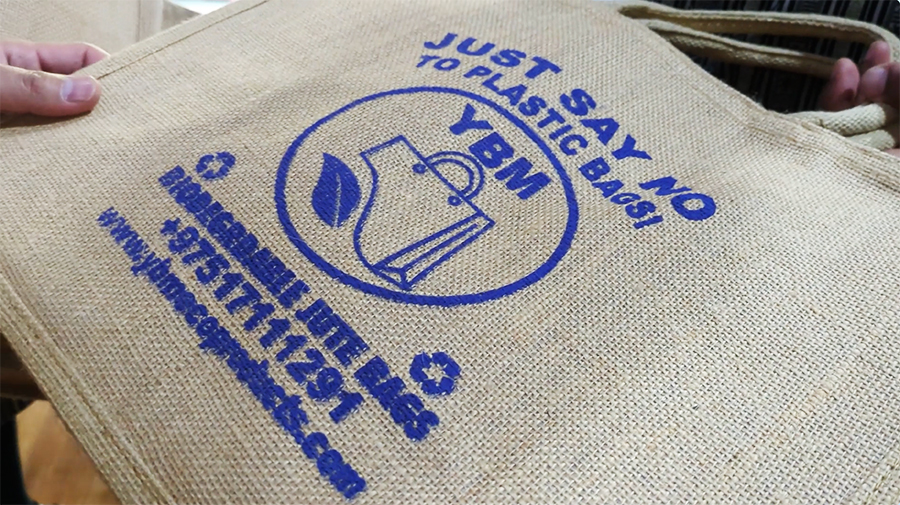 To support the transition, the district administration is partnering with YBM, a private company producing jute bags as an alternative to plastic carry bags.
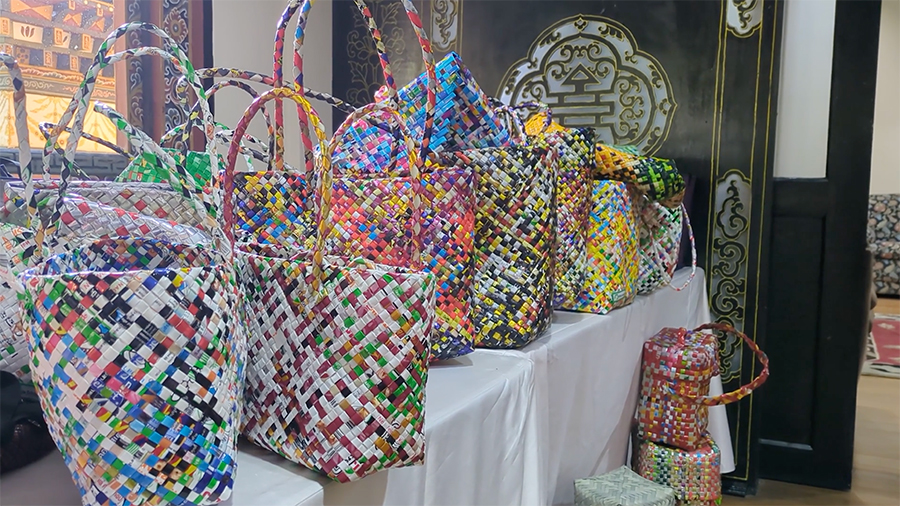 The district is also collaborating with SheCycle, a women-led recycling and sustainability initiative, pushing the use of bags made from recycled materials.
Authorities say the aim is to integrate reusable options into everyday market transactions, with vendors encouraged to offer them at the point of sale.
Paro Dzongda Norbu Wangchuk said, “If we are encouraging people to stop using single-use plastic bags, it is our responsibility to provide alternatives. We should be able to answer the public when they ask, what they should use instead. We are therefore grateful that private companies are coming forward with such alternatives.”
Officials, however, say the biggest challenge remains behavioural change, as plastic carry bags are deeply embedded in everyday shopping habits.
Tshewang Norbu added that “In our country, people have grown accustomed to using single-use plastics for shopping. We feel that changing this mindset will be our biggest challenge. If we can address this, our goal of reducing and monitoring single-use plastics can be achieved.”
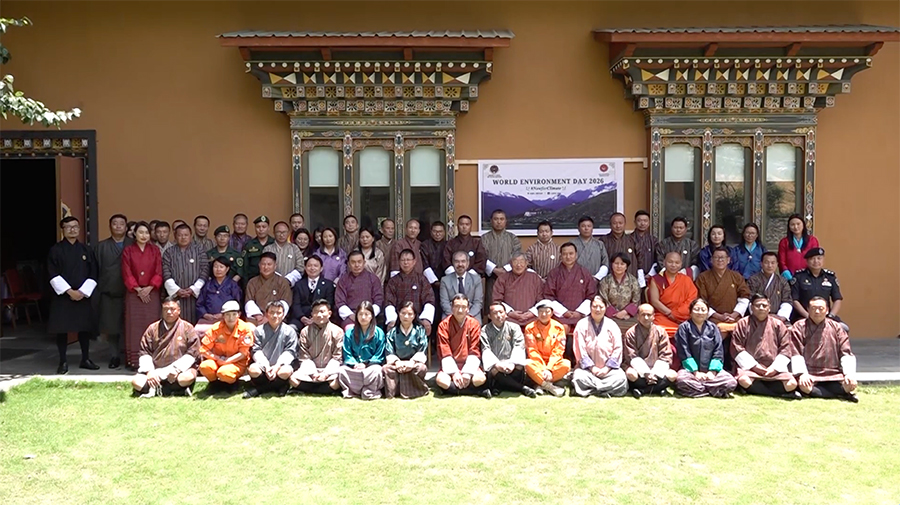 Coinciding with the World Environment Day, the event saw the soft launch of the Waste Inventory Survey 2025 and the Environmental Clearance Service System, and the Monitoring, Evaluation and Learning framework for Bhutan’s National Adaptation Plan.
Karma Samten Wangda, Paro