
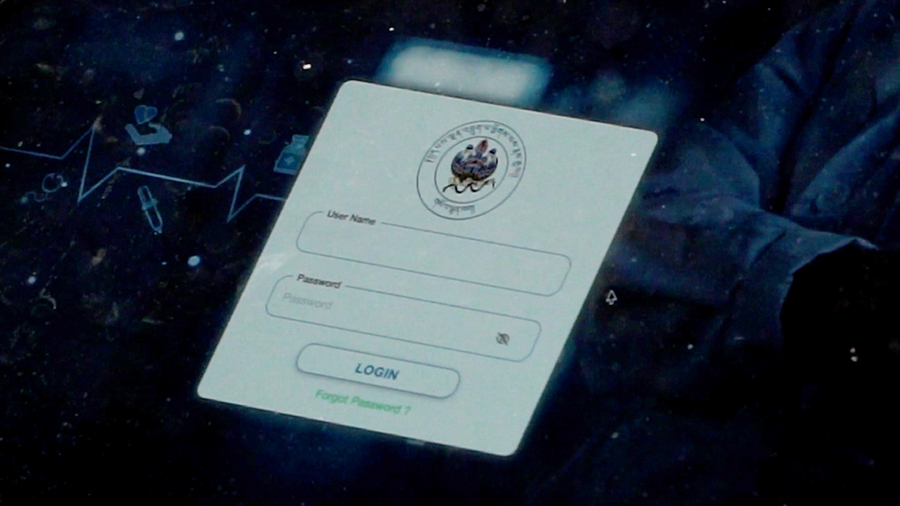
 The Electronic Patient Information System, ePIS, has now been implemented in 300 health facilities across the country. However, achieving full use of the system remains a challenge. According to the health ministry and the GovTech Agency, unstable power supply and poor network connectivity continue to limit its use in some areas.
The ePIS system is currently operational in 58 hospitals and 186 Primary Health Centres nationwide.
As of last month, about 92 per cent of patients were registered and attended through the system.
So far, around 6,400 health professionals have been registered as users, and more than 604,000 patient records have been entered into the system.
The GovTech Agency said achieving full utilisation of ePIS across the country remains difficult due to extreme weather conditions and challenging terrain, which affect reliable internet connectivity.
To address the issue, the agency and the health ministry are exploring the use of Starlink technology to improve network reliability. The agency has also migrated the ePIS platform to a more secure and reliable database system.
“We have recently established backup servers at Gelephu Central Regional Referral Hospital, one at Eastern Regional Referral Hospital, which is Monggar, and Jigme Dorji Wangchuck National Referral Hospital, and also the Government Data Centre. This is to ensure uninterrupted service. Even if one server fails, other servers will serve as backups,” said Karma Denkar, a Senior ICT officer with the GovTech Agency.
More than 158 pieces of medical equipment, including biochemistry and haematology machines, were integrated with the ePIS system in February. However, integrating older medical equipment remains a challenge, limiting smooth data exchange.
To improve the system’s reliability and user experience, the GovTech Agency continues to collect feedback from health workers and make necessary improvements.
High attrition among health professionals is also affecting the consistent use of the system.
Karma Denkar said, “Although some of the health staff were trained through online sessions, there is a need for a structured and comprehensive training mechanism to ensure reliable, effective, and standardised use of ePIS across the health facility.”
The health ministry also plans to integrate ePIS training into the curriculum of the Khesar Gyalpo University of Medical Sciences. This will ensure that newly recruited health professionals are trained to use the system.
In addition, the ministry plans to establish dedicated ePIS teams in each health facility to train new staff.
Meanwhile, the GovTech Agency is also working to improve the ePIS mobile application, which currently allows patients to view their medical records.
The ePIS was rolled out in 2023 to enhance health service delivery and record keeping to reduce the use of prescription papers.
Singye Dema & Sangay Chozom
Edited by Sangay Chezom