 Although still in its early years, the Rhododendron Festival in Merak, Trashigang, is beginning to draw attention beyond Bhutan’s borders. It is signalling a growing interest in eastern Bhutan’s eco-tourism potential while offering a glimpse of how the region can grow its tourism sector on its own terms.
The second edition of the Rhododendron Festival concluded last week. If the number of visitors is any indication, the festival is quietly finding its place.
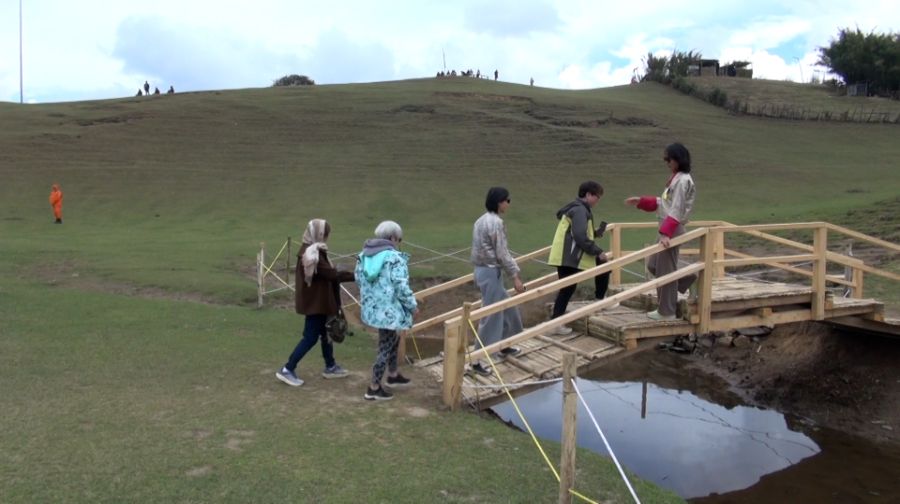
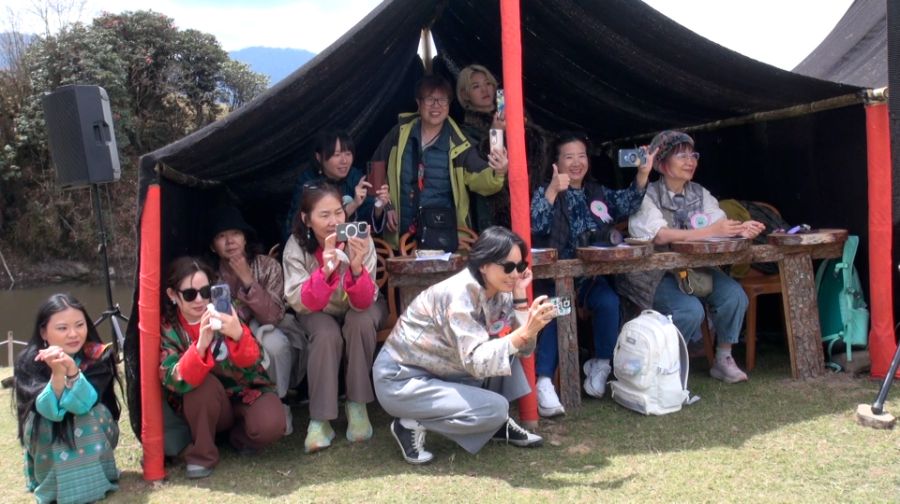
As per the district administration’s records, 80 tourists, including 14 regional tourists, attended the festival this time. Although it is a slight dip from last season, the tourists this time were not casual visitors. They had planned for the festival and built their schedules around it.
Similarly, the week-long event attracted over 18 thousand local visitors.
“I came to know about the festival last year, so I planned to visit around the same time this year. We were fortunate to fit it into our itinerary and attend the festival. It has been an amazing experience, and my group is very happy,” said Sergio Unanue, who runs a travel agency in Spain.
“We are going to stay for two weeks, and it has been a very interesting experience. The people here are very friendly and kind, so we are very happy. The music and dances are special, and the traditional dresses are very colourful,” said Sewart, a tourist.
At the centre of the festival is the highland culture, their dances, dress, and way of life. Besides, the timing coincides with the blooming season of what Merak and Sakteng are also known for – rhododendrons. 41 of the 46 rhododendron species found in Bhutan grow in these two places.
Sergio Unanue said, “We had the opportunity to experience not only Bhutanese culture but also the unique Brokpa culture through traditional dances and songs. As a travel agency owner, I look forward to bringing more visitors in the future, while sustainably promoting tourism.”
For Trashigang, the festival was conceived as a launchpad for eco-tourism. It is a step towards positioning the region as a destination built on its natural and cultural strengths.
Trashigang Dzongda Ugyen Dorji said, “Based on the opportunities and unique features of Trashigang, we are planning to brand the district. For this, we will engage a consultant and carry out detailed discussions. With proper branding – through the district website and social media platforms – international visitors will be able to learn more about Trashigang. We realised that we need to focus more on marketing and promotion. As for the basic facilities, we already have most of them in place, and the rest we can manage.”
Alongside such plans, access is what the tourism growth will depend on.
According to the district administration, the opening of the international gateway at Samdrup Jongkhar has already made travel to eastern Bhutan more accessible. Improving the Yonphula Domestic Airport could further ease the journey from west to east.
Sonam Darjay, Trashigang
Edited by Sonam Wangdi