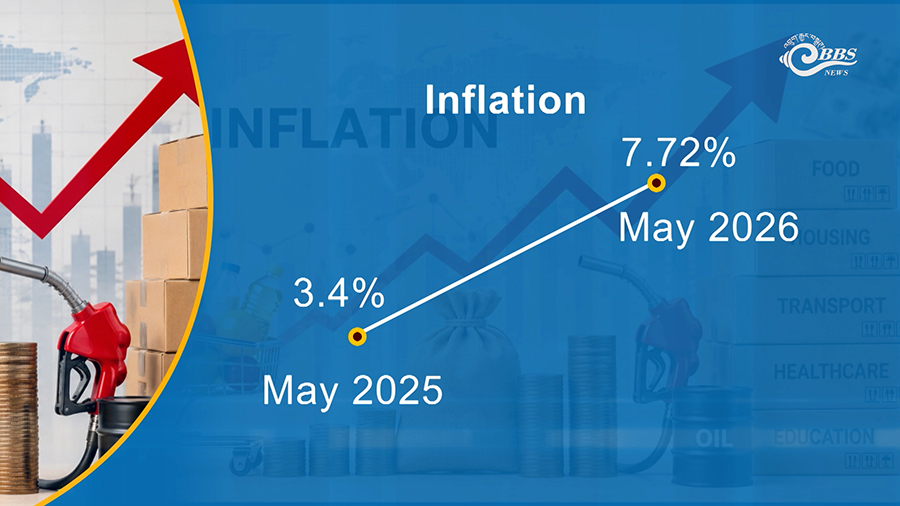
 Prices are rising, and they are rising fast. Bhutan’s inflation rate has more than doubled in just one year, increasing from 3.4 per cent in May last year to almost 8 per cent this May. According to the National Statistics Bureau, people are paying more for transport, housing, utilities, and even their daily doma.
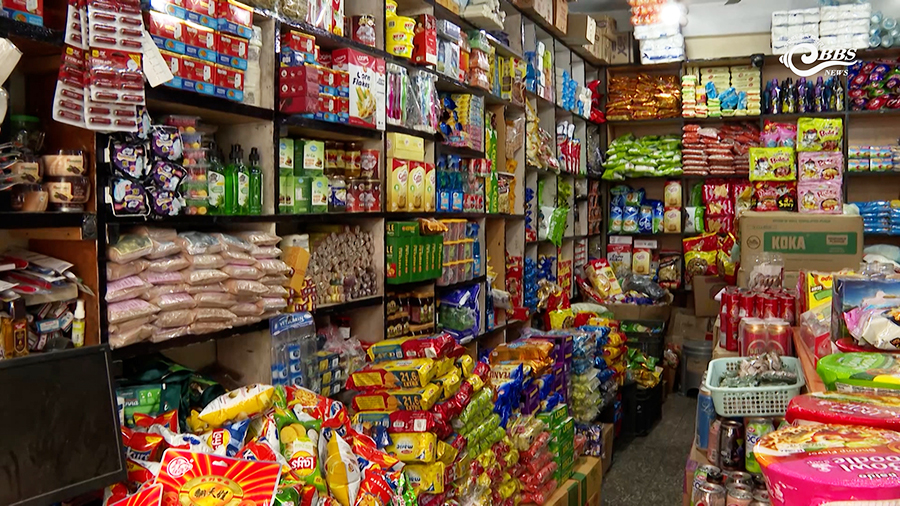 At markets across the country, shoppers and shopkeepers say prices have been rising fast, making everyday purchases more expensive.
“Compared to a year or two ago, the prices of goods have increased. The prices of butter, cheese, and eggs have gone up because of the GST. Since GST is also imposed on animal feed, production costs have increased, leading to higher prices for these products,” said Tenzin Tenzin, a shopkeeper in Thimphu.
According to the National Statistics Bureau’s monthly Consumer Price Index report, inflation this May surged to 7.72 per cent. The Consumer Price Index tracks changes in the prices of goods and services that households commonly buy.
On the food side, prices rose by 7.8 per cent.
The sharpest increase came from alcoholic beverages and betel nuts, with prices in that category surging by more than 23 per cent.
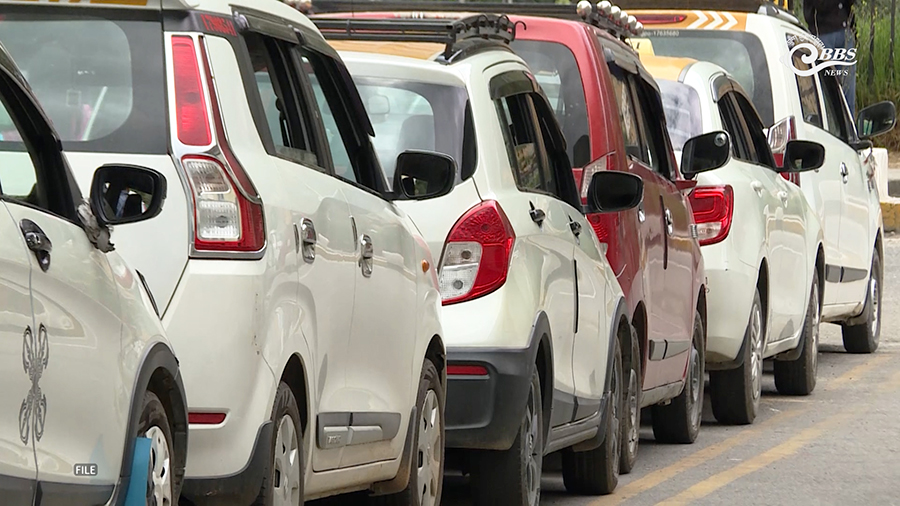 Outside the food basket, non-food inflation climbed to 7.7 per cent. Transport recorded the steepest rise, at almost fifteen per cent.
For drivers and daily commuters, that increase is hard to ignore.
“Since fuel prices increased, it has become difficult for us to repay our monthly loans and earn enough to support our families. Taxi fares have remained the same. We haven’t raised them despite the increase in fuel prices. Even if we did, passengers would not be willing to pay more,” said Sonam Tobgay, a taxi driver.
The housing and utilities index also rose by more than 11 per cent. Restaurants and hotels saw prices climb by eight per cent, adding to the financial pressure on households across the country.
Inflation was not felt equally across the country.
Districts in the western region such as Punakha, Haa, Paro, Samtse, Chhukha, Gasa, Wangdue Phodrang and Thimphu recorded the highest rate at over 8 per cent.
Perhaps the clearest way to understand inflation is through the purchasing power of the ngultrum. A product that cost Nu 51 in December 2012 now costs about Nu 100. In simple terms, the same amount of money now buys only about half as much as it did then.
Over the past year alone, the purchasing power of the ngultrum fell by 7.17 per cent.
Deki Lhazom
Edited by Sangay Chezom