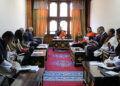
Religious organisations are urging the government to increase the annual gewog grant for preserving and promoting Bhutan’s cultural and religious heritage. They proposed it during the ninth Annual Chairpersons’ Meeting of the Commission for Religious Organisations of Bhutan in Thimphu yesterday, saying the current allocation is insufficient to meet growing needs.
Under the Annual Grant Guidelines for Local Governments 2024, gewogs may allocate up to 10 per cent of their annual grants for activities related to preserving and promoting cultural and religious heritage, depending on local needs. Each gewog is allocated a maximum nearly Nu 23 M as an annual grant.
However, chairpersons of religious organisations say the allocation is inadequate to cover the maintenance and renovation of temples, monasteries and other heritage sites, as well as religious and cultural activities.
They say the funding shortfall has delayed many preservation and renovation projects.
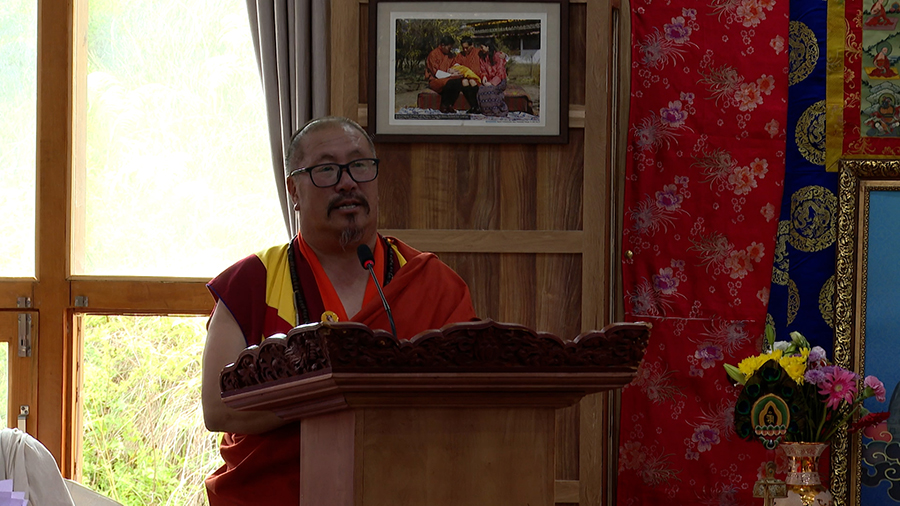 “Gewog administrations and gups are often reluctant to allocate more than this amount because of concerns over future budget allocations. Increasing the allocation to 20 per cent would enable us to complete our activities on time and better preserve our cultural and religious heritage,” said Jigme Wangchuk, the chairperson of Kuenzangling Foundation.
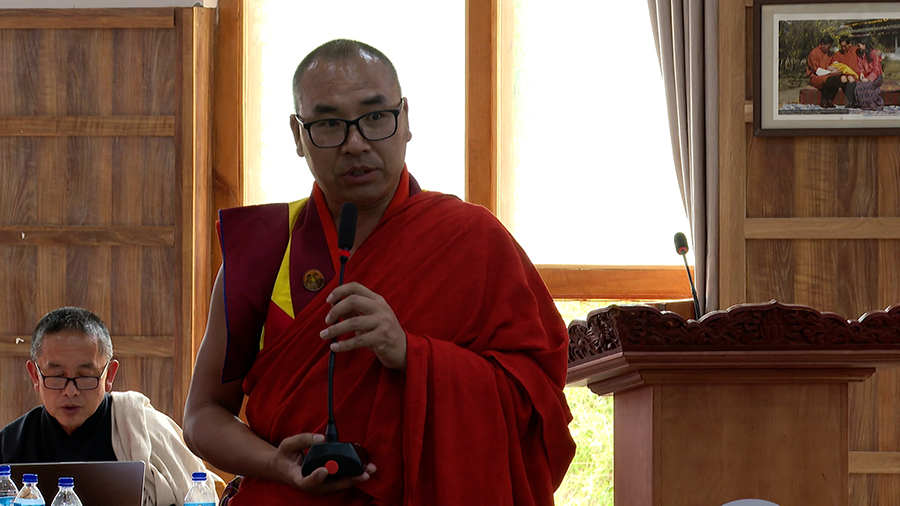 “The current allocation from the gewog budget is not sufficient, and it is very challenging to carry out religious activities. An increase in the allocation would be highly beneficial and would help overcome many of the challenges we face,” said Kinzang Wangdi, the chairperson of the Ani Chhoten Zangmo Foundation.
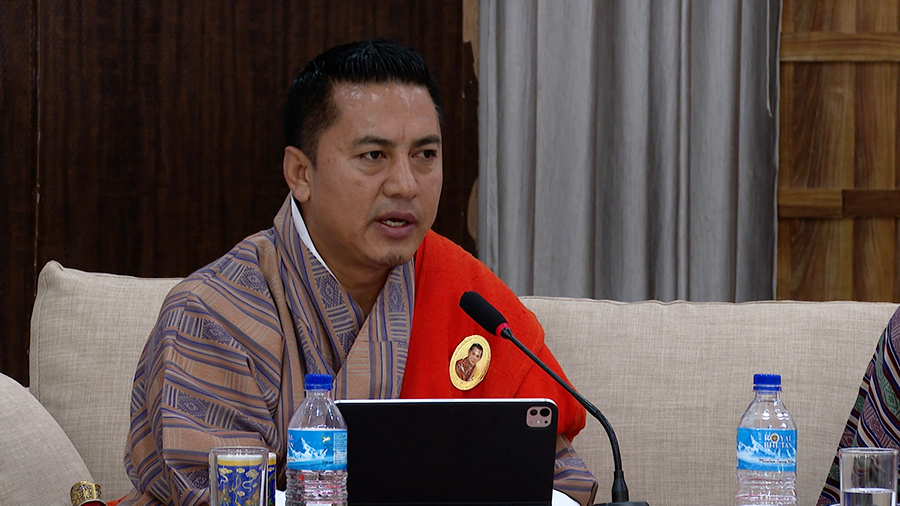 Home Minister, who also chairs the Commission for Religious Organisations of Bhutan, said the issue has been raised repeatedly in Dzongkhag Tshogdu sessions, during the government’s Mid-Term Review, and in both the National Assembly and the National Council.
He said the proposal has already been submitted to the Prime Minister’s Office and the Ministry of Finance for consideration.
The annual meeting brought together representatives from 108 religious organisations across the country. It serves as a platform to discuss common challenges, share concerns and strengthen coordination with relevant agencies.
Namgay Wangdi