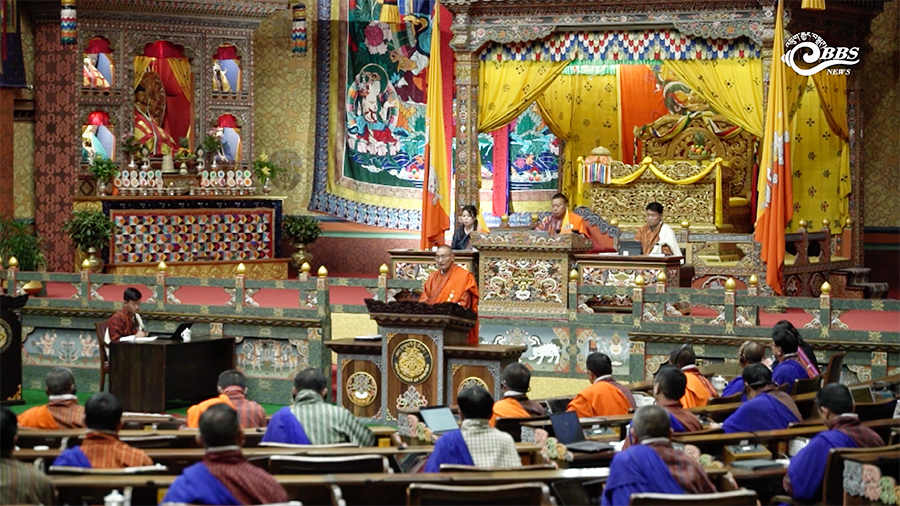
 The government’s plans and priorities for the 2026-2027 financial year are expected to accelerate economic transformation. The plans are expected to create jobs, improve public service delivery and strengthen human capital. Presenting the State of the Nation report, the Prime Minister said these goals will be pursued through eight National Priority Programmes focused on economic transformation, social well-being, and environmental resilience.
According to the report, the government aims to mobilise Nu 3.5bn in Foreign Direct Investment (FDI) during the next fiscal year, with a focus on sectors such as clean technology, renewable energy, and information technology.
Under economic transformation, key priorities include creating 25 new startups and accelerating the growth of 85 early-stage businesses. The government also plans to establish 100 new industries outside Thimphu and Chhukha to promote more balanced economic development.
Recognising tourism’s rol in driving economic growth, the government plans to develop five new tourism packages, including nature-based, pilgrimage, and wildlife tourism. It also plans to launch the Red Panda Tourism Flagship Programme in Haa, with a long-term target of attracting 300,000 visitors.
The report further targets a 10 per cent increase in exports of gypsum, dolomite, and construction materials.
The Economic Stimulus Programme (ESP) will continue, with a budget allocation of over 3.39 billion ngultrum to support the Business Reinvigoration Fund, agricultural price guarantees, and youth employment initiatives.
In agriculture, the government plans to develop 800 acres of land in line with agricultural land development guidelines, establish commercial farms in Samdrup Jongkhar, and operationalise close to 30 new farm shops.
The plan also targets increasing the digital economy’s contribution to GDP to USD 60 M and creating 1,000 quality jobs. Additionally, the government aims to facilitate stable employment for 5,500 young people through various engagement and overseas programmes.
“Efforts are being made to conserve the natural environment and ensure its sustainable use for economic development. From this year, a Natural Capital Accounting system will be introduced, enabling us to understand the monetary value of our natural environment. While we already measure Gross Domestic Product (GDP), we will also be able to assess our Gross Ecosystem Product (GEP). This system will help Bhutan access greater opportunities through international climate finance, carbon trading, sustainable development grants, foreign direct investment, and global markets,” said the Prime Minister.
The report also outlines major investments in education and health to improve medical infrastructure and services, and modernise the education curriculum.
The government proposed a total budget of over Nu 153bn for the financial year 2026–2027.
Sonam Yuden & Devika Pradhan