 The country’s value-based property system is raising more revenue, even as most people continue to pay low taxes. About 91 per cent of properties fall in the low tax bracket, paying less than Nu 1,000 a year. Collections have risen sharply from Nu 55 M to over Nu 600 M annually. The finance secretary shared this during the ministry’s mid-term review today.
Property tax collection in the country has grown significantly during the 13th Five-Year Plan, crossing Nu 624 M in 2023. The finance ministry attributes this substantial increase in property tax revenue to the introduction of the new value-based system. The system calculates tax based on the value of the property, allowing higher-value properties to contribute more.
For most people, the tax remains low. About 91 per cent of properties fall in the low tax bracket, paying less than Nu 1,000 annually. On average, they pay Nu 540.
Meanwhile, properties in the middle tax range contribute 27.7 per cent of the revenue, while high-value properties, taxed above Nu 10,000, pay an average of more than Nu 34,000 annually.
The Finance Secretary said that under the new property tax system, those with a greater ability to pay contribute more. The increase in revenue comes from better valuation, not from raising taxes on everyone.
Urban areas are leading the growth. Although only around 6.7 per cent of properties are located in urban centres, they generate 56.5 per cent of total collections.
Rural areas, which account for 93.3 per cent of properties, contribute 43.5 per cent of revenue. The average tax in rural areas is much lower at Nu 372.
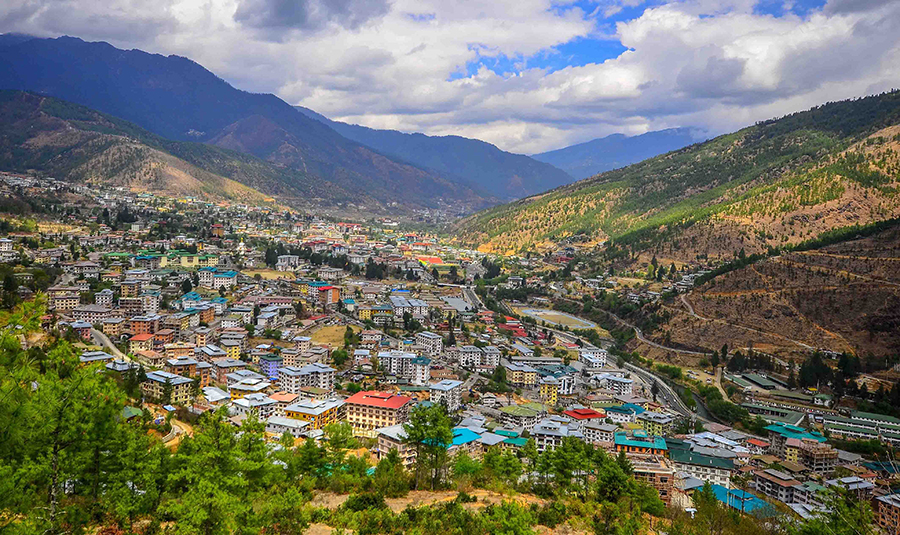
Thimphu alone contributes nearly 41 per cent of total revenue, followed by Paro, Phuentshogling, Trashigang, and other regions, showing that higher-value properties are concentrated in towns.
Overall, Bhutan has recorded more than 787,000 registered properties and over 174,000 taxpayers in 2023.
Kinley B/Samten D
Edited by Sonam Pem