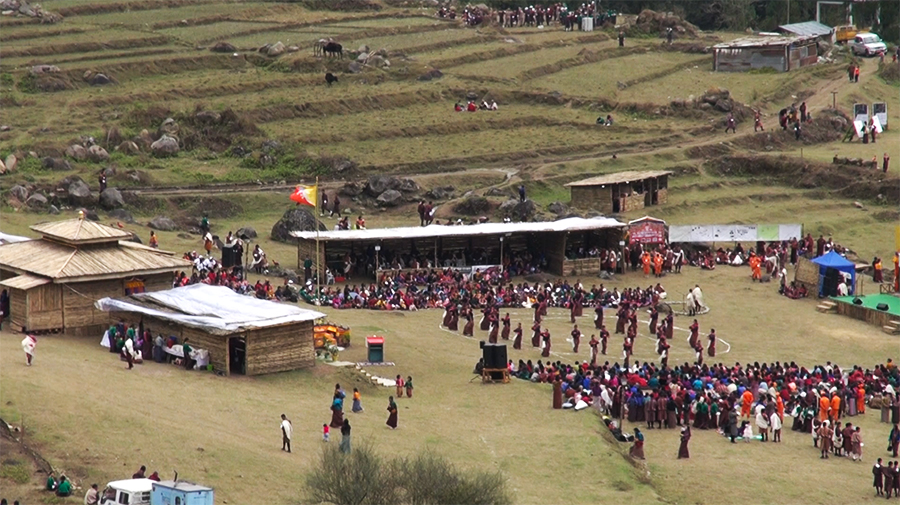
 The serene Kharungla area in Trashigang came alive this week as thousands gathered for the first-ever Tragopan Festival. The event not only celebrated the rare bird but also revived local culture, created income opportunities, and inspired the younger generation.
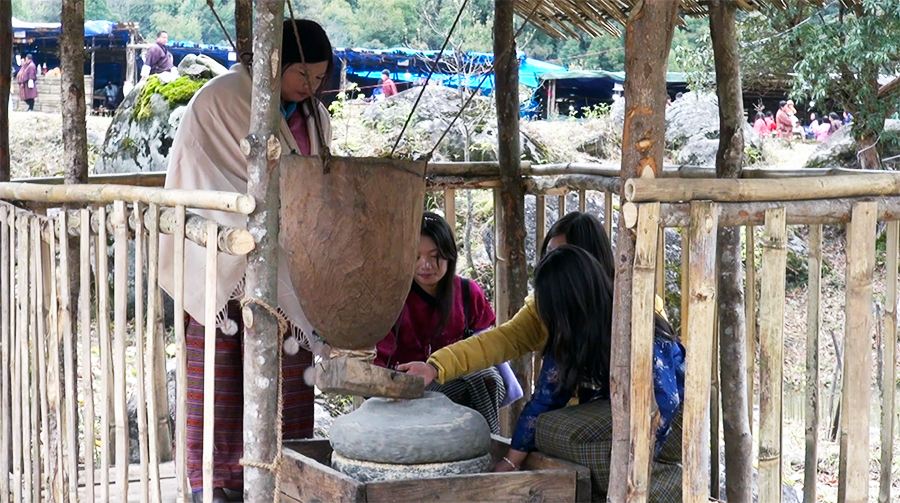 From age-old ovens to everyday household items and traditional farming tools, residents brought their heritage out into the open. They displayed pieces of the past that once defined daily life, but are now slowly fading away.
The festival went beyond displaying them.
Sacred sites were restored and enriched with proper information.
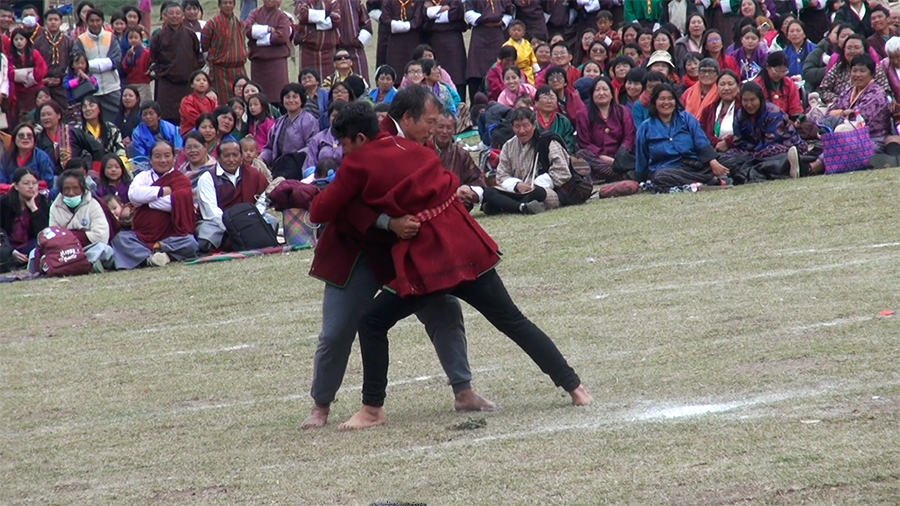 Residents also performed unique cultural and entertainment performances.
Rigden Tashi Dolkar, a student said, “To be honest, I had no idea about the tragopan, even though I am from Kangpar. It was only after I came here that the shopkeeper told me about the bird, and that’s when I learned more about it.”
Lungten Jamtsho, another student said, “I had never heard of this type of water mill until today. Seeing it in person, I learned how hard our ancestors had to work. I feel happy and excited to see it.”
Cheni Lhamo from Kangpar Gewog said, “We don’t get a platform to showcase our old items, and we simply preserve them as part of our culture in village. This time, we got the opportunity to display these traditional items. In terms of business, the festival also provided us platform to earn income, as many people gathered here.”
Tashi Tenzin, Sr. Dungpa of Wamrong Dungkhag said, “When it comes to the sustainability of the festival, it is not only important to maintain the structures we have constructed. There are also many sacred sites and trekking routes here that need to be preserved. Taking all these into consideration, we are planning to submit a proposal to the government.”
As the curtains fall on the first festival, it leaves behind more than just celebration, reviving fading traditions, strengthening community bonds, and promoting sustainable tourism in the east.
Sonam Darjay, Trashigang