 More than 2,000 families across the country have expressed interest in adopting Sistema biogas technology, a ready-made system that converts livestock and organic waste into cooking gas. However, the project remains stalled as the Bhutan Ecological Society continues to explore options for carbon financing.
In Tshokila, Chhali Gewog in Monggar, 60-year-old Sonam was the first resident to pilot the technology last year.
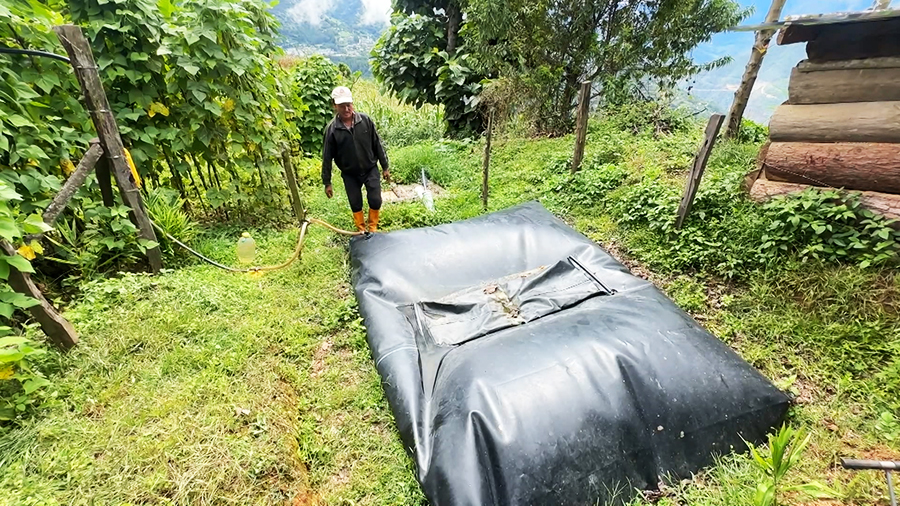
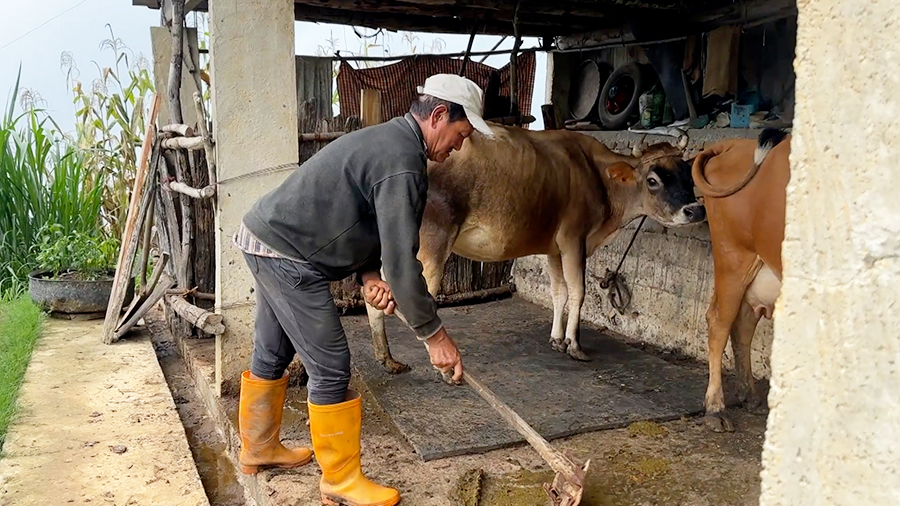 Every day, he collects dung from his cattle, mixes it with water in a bucket and feeds the mixture into a black bag known as a bio-digester, which is placed in a pit underground. The gas produced passes through a regulator and pipeline to his kitchen.
Sonam said the system is easy to install and operate compared to traditional biogas plants, which require cement, gravel and sand.
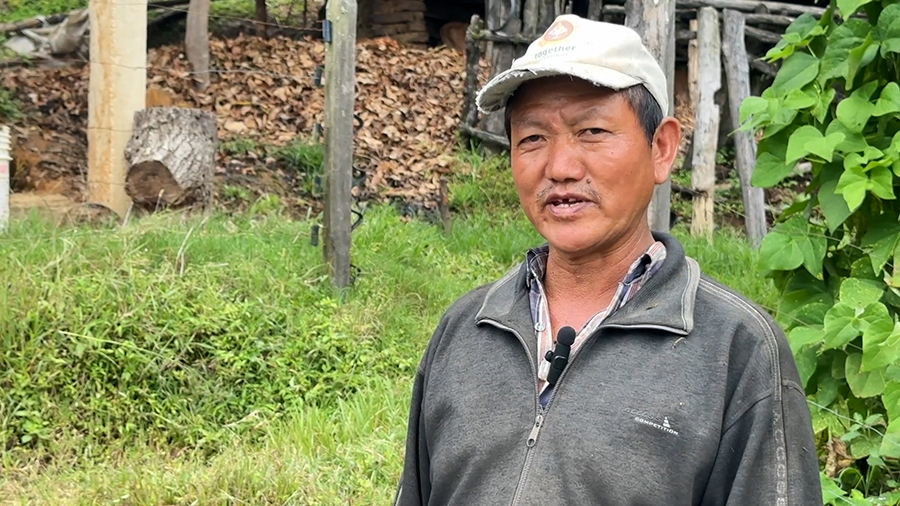
“It is very easy to set up and operate. The old biogas system requires a lot of labour and materials, including cement, gravel, and sand. In Sistema biogas, we need to just dig a hole to adjust the black bag, which is called the bio-digester or the reactor. We just have to add waste from cattle and stir it. Then it slowly forms gas. It is as simple as that,” he said.
Since the technology became operational, Sonam has not had to buy LPG gas for regular use. He said he exchanged two gas cylinders during the annual ritual only as a backup, compared to at least four cylinders a year in the past.
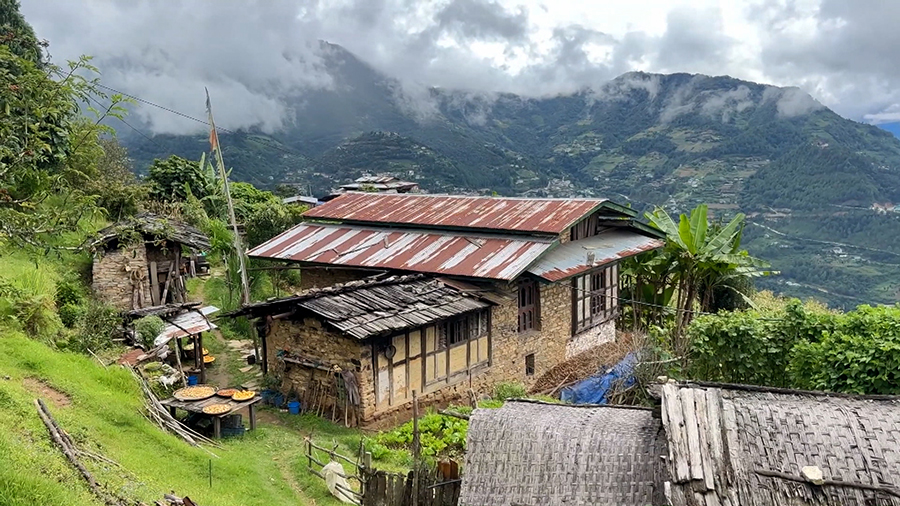 The results have encouraged other households in the gewog to register for the technology. Around 80 households have expressed interest.
According to Sonam Tenzin, Livestock Extension Officer of Chhali Gewog, more than 70 households qualify based on their cattle numbers and household size.
“About 80 households wanted the technology, so I surveyed them based on their cattle numbers and household size. More than 70 qualify, and I have submitted their names for training,” he said
However, not every household can adopt the system. Dechen Tshomo, a resident of Chhali Gewog, said she did not register because she does not have enough cattle to supply the dung needed to operate the plant.
“We would like to have one like that too, but I don’t have enough cattle to produce dung, which is the main ingredient. So, I didn’t enrol for the scheme. I live alone, so one cylinder lasts for more than 5 months. But when children come, it is not sufficient.”
Meanwhile, Ngawang Jambay Dorji, another resident of the gewog, said he registered for the technology because collecting firewood is becoming a thing of the past and LPG gas is expensive. “It is good for the environment, and we can save on electric consumption and money on LPG gas”
Chhali is not the only gewog interested in the technology. More than 2,000 families across the country have requested Sistema biogas plants.
The Bhutan Ecological Society has so far piloted 27 plants in the western, central and eastern regions.
The organisation had planned to launch a carbon financing programme in January in collaboration with Sistema.bio India. However, financing partners could not provide the funds, leaving the project stalled.
Attempts to find other carbon financing companies were also affected by the crisis in the Middle East.
The society is continuing to explore other financing options and hopes to follow up by the middle of next year.
Until then, households across the country interested in the technology will have to wait for the project to move forward.
Namgay Wangchuk, Monggar
Edited by Sangay Chezom