 Records from the Bhutan Kidney Foundation show that 12 new cases of chronic kidney disease are diagnosed every month. More than 400 patients are currently on dialysis. For patients in remote parts of the country, access to specialist kidney care remains a challenge. To bring these services closer to communities, a week-long nephrology outreach programme is underway in Trashigang, Monggar and Wangdue Phodrang.
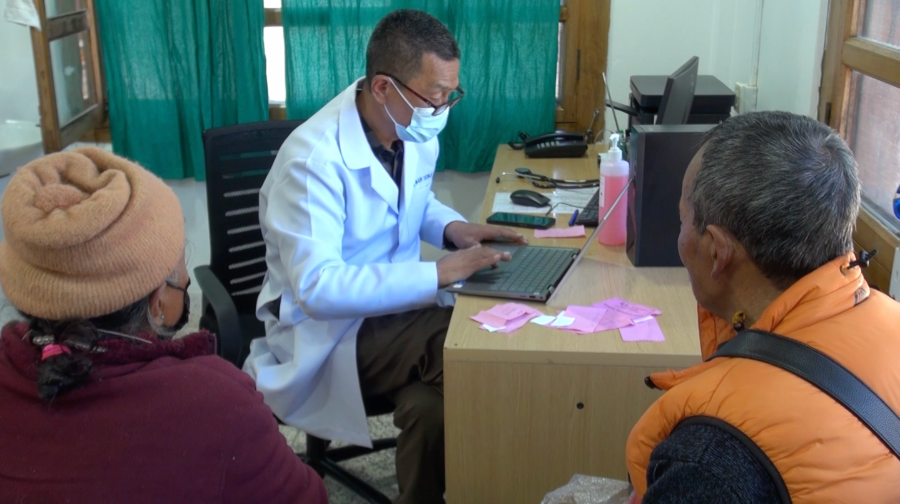
At Trashigang Hospital, many patients, most of them elderly, waited in line for their turn to see the visiting nephrologist. Inside, the specialist examined patients, provided medical advice and counselled them on proper diet and kidney care.
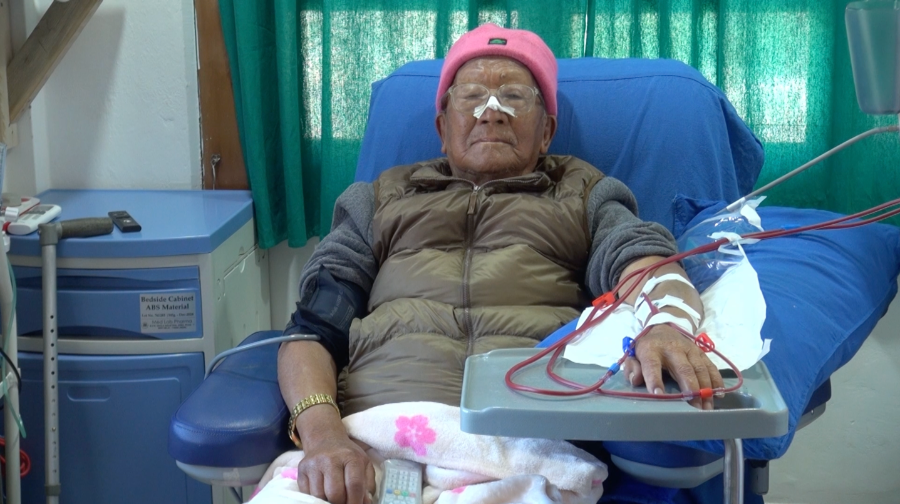 Over the two days, around 41 patients, including those undergoing dialysis, received kidney-related services. For many, the outreach programme saved them the long, tiring and costly journey to Monggar or Thimphu.
Pema Dorji, a resident of Jamkhar Gewog in Trashi Yangtse, said, “Although I have a relative in Thimphu, it is still difficult. We have to pay for travel, and travelling with an aged parent is also hard. We don’t expect this at the gewog level, but we request similar services at the district hospital at least once a year. It would greatly benefit kidney patients.”
Sheruu, a resident of Kanglung Gewog in Trashigang, said, “If my son doesn’t have a vehicle, I have to bear the travel expenses whenever I am referred to another hospital. That is why this kind of programme is very beneficial for patients like us. If such services are provided every year, it will greatly help us, as we won’t have to travel.”
The team will now head to Monggar for a similar programme, followed by Wangdue Phodrang.
Tashi Namgay, Executive Director of the Bhutan Kidney Foundation, said, “Kidney-related diseases are increasing in the eastern region, while we have only two specialists, both in Thimphu. Patients from the east face several difficulties: first, they have to travel almost 15 hours; second, the financial burden; and third, finding lodging. To address these issues, the Bhutan Kidney Foundation is trying to provide medical services once a year, and if our specialists are available, we are ready to do it even twice a year.”
For elderly patients, the programme brought specialist care within reach, and many hope the service will return every year.
Sonam Dargay, Trashigang
Edited by Sangay Chezom