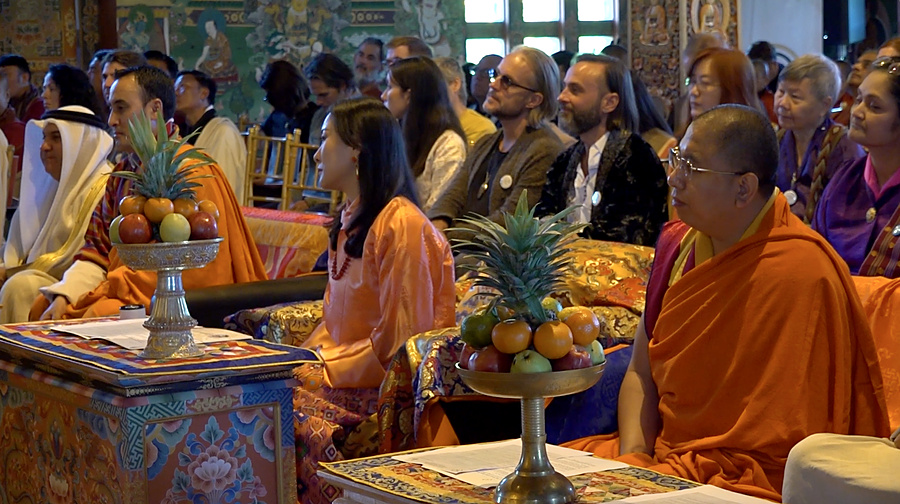
 Bhutan is hosting a three-day Global Gross National Happiness (GNH) Forum 2026 to explore how traditional wisdom can guide development in a rapidly changing world. Her Royal Highness Princess Kesang Chodren Wangchuck, President and Patron of the Gross National Happiness Centre Bhutan, graced the opening of the forum.
Held under the theme, “Traditional Wisdom for Well-Being in an Age of Accelerated Development”, the forum is organised by the Gross National Happiness Centre Bhutan in partnership with the United Nations Development Programme (UNDP) Bhutan.
Discussions are focusing on how the principles of Gross National Happiness can contribute to human well-being, sustainability and inclusive development, particularly as artificial intelligence, biotechnology and digital technologies continue to transform the world.
Addressing the forum, Her Royal Highness said meaningful change often begins with small actions, whether through better institutional decisions, community efforts to protect the environment or individuals showing care for others.
She said every action, however small, can contribute to a better world for present and future generations.
The forum is also highlighting the importance of recognising that countries can follow different development paths based on their own histories, circumstances and aspirations.
Fadhil Bakeer Markar, Deputy Resident Representative of UNDP Bhutan, said there is no single pathway to prosperity and that every country must find its own answers while learning from one another.
Over the three days, discussions will cover regenerative tourism, well-being economies, ethical leadership and cultural values. Participants will also explore how traditional knowledge can help address challenges such as climate change, social inequality and environmental pressures.
Lhatu, Executive Director of the GNH Centre Bhutan, said traditional wisdom has guided communities for centuries in respecting nature and one another, practising compassion and promoting ethical leadership.
He said the forum aims to revisit these values and explore how they can guide modern development, as they form important elements of Gross National Happiness.
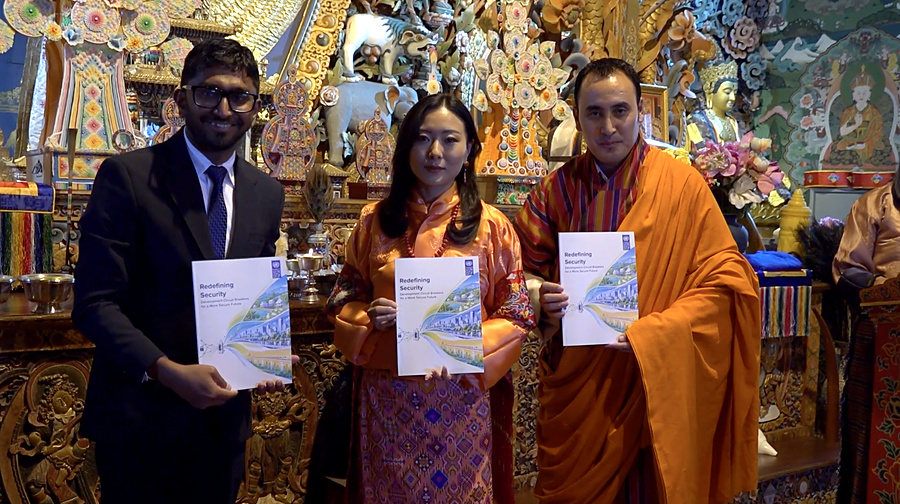
The first day of the forum also saw the launch of a book titled “Gross National Happiness” and a UNDP report.
The forum brings together policymakers, scholars and cultural practitioners to exchange ideas on development approaches that prioritise human dignity, collective well-being and environmental balance.
Alexandra Pyke, a lawyer from Australia, said implementing value-based systems in professional life is important. She said more education is needed to make shared value-based systems viable in the Western world.
With technology advancing rapidly, participants are also discussing how societies can ensure that progress does not come at the cost of human values.
Hsu Kao Cheng, a professor from Taiwan, said it is important to consider how people can maintain the right mindset and values as technology develops rapidly.
By bringing Bhutan’s experience of Gross National Happiness into the global discussion, the forum aims to encourage more inclusive, resilient and sustainable approaches to development.
The first Global Gross National Happiness Forum was held last year at Dungkar Dzong in Paro. The forum is expected to become an annual event, providing a platform for international dialogue and the exchange of ideas on well-being and sustainable development.
Changa Dorji, Wangdue Phodrang
Edited by Tandin Phuntsho