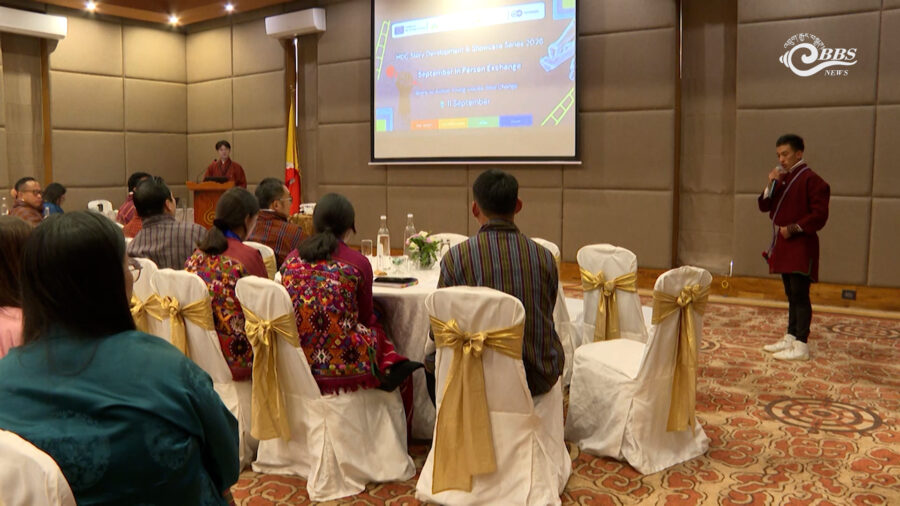
 For students in remote Sakteng, a blocked road can mean more than a delayed journey. It can mean missing a competition or opportunities beyond the classroom. This was one of the stories shared at the recently held Bhutan Centre for Media and Democracy’s Story Development and Showcase Series 2026, where student citizen journalists brought community issues to the spotlight.
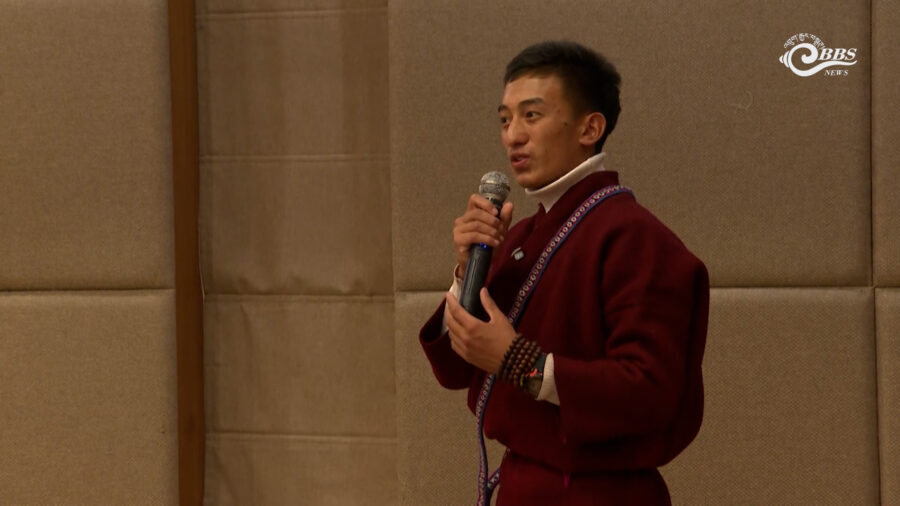
For 16-year-old Sonam Tenzin, a class nine student of Sakteng Middle Secondary School, a journey to Thimphu came with an unexpected lesson that was all too familiar.
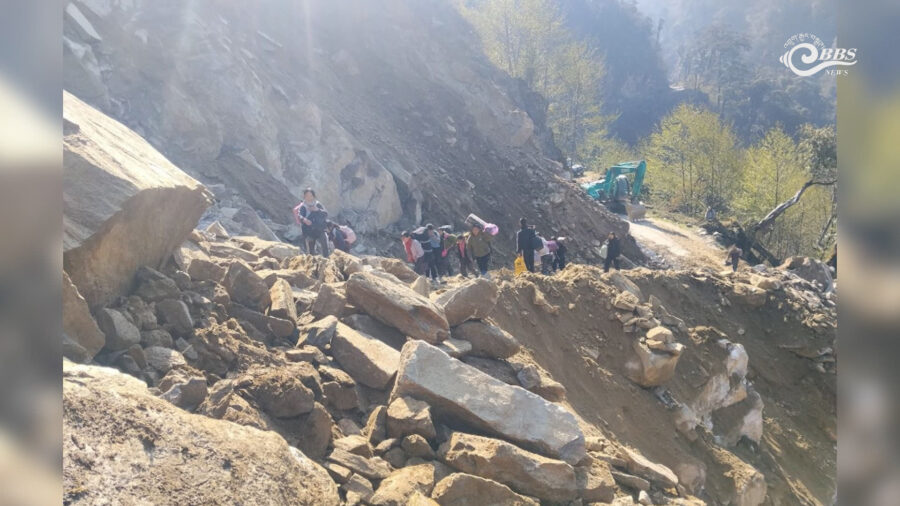
He came to share a story about a problem his community knows too well: Sakteng’s roadblocks. But the roadblocks he came to talk about became part of his own experience.
“Our roads do not support small vehicles, so we have to reserve a Bolero. That day, there was also a roadblock in Rangjung, where bridge maintenance was underway. So, we had to take a detour through Bartsham, which is a much longer route. By the time we reached Trashigang, we had to pay around Nu 8,000 for the fare.”
 On a normal day, travelling from Merak to Sakteng costs around Nu 6,000.
For Sonam, the cost of roadblocks goes beyond money.
“As students, we miss out on so many opportunities because of roadblocks. Recently, Sakteng Middle Secondary School won a match and qualified for the District-level competition. But the road was blocked just a day before we were supposed to leave, so we could not go. We lost that opportunity, and the slot was given to Phongmey Primary School instead. So, we missed out.”
A blocked road meant a missed competition. And for Sonam, it was a missed opportunity. This is the story he and other student citizen journalists brought to the spotlight during the event. Their stories focused on issues affecting their communities,
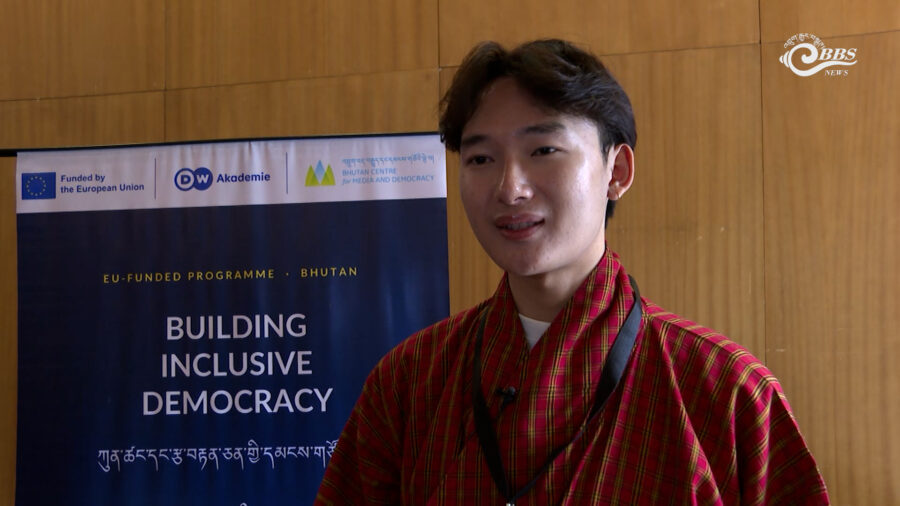
“What stood out to me was hearing from this particular student from Sakteng, who is not just presenting an issue, but speaking from an experience that they had lived through. So, for us at BCMD, the well-being of our students always comes first. We never want participation to come at the cost of the comfort or well-being of any of our students. So we did not force the student to take part, but we gave them the choice, the space, as well as the resources to decide for themselves. I think that is also what meaningful youth participation should actually look like,” said Jigme Khandu, Programme Officer, Bhutan Centre for Media and Democracy.
For these young citizen journalists, the experience has become part of the story. Because in Sakteng, a roadblock can mean more than a missed journey. It can mean a missed chance. And sometimes, that opportunity may not come again.
Samten Dolkar
Edited by Sonam Pem