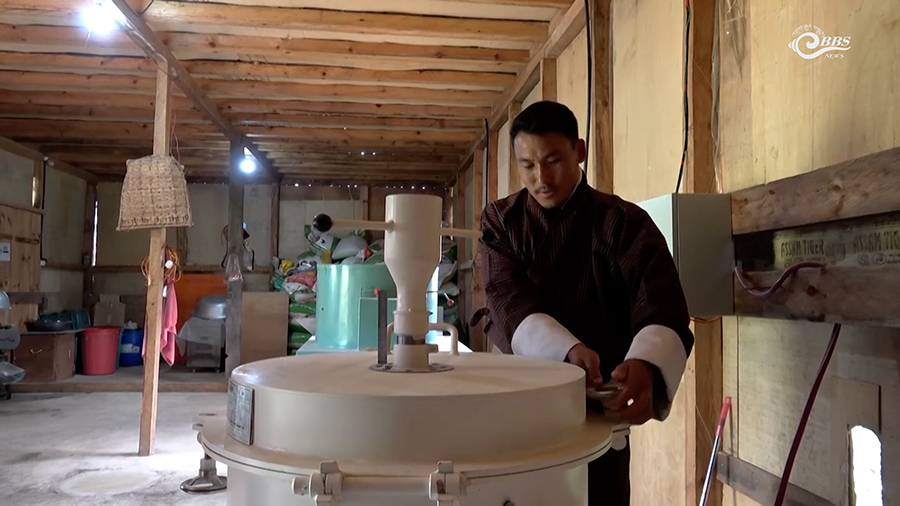
 In Bumthang’s Chhumey Gewog, what was once considered merely winter fodder for cattle is fast becoming a valuable source of income for farming households. Inspired by his own health recovery journey, a young entrepreneur is changing how Bumthaps see oats today. In this story, our Bumthang correspondent takes us through Rinzin’s journey of turning the crop into a thriving health-food brand that is boosting incomes for farmers while promoting food self-sufficiency.
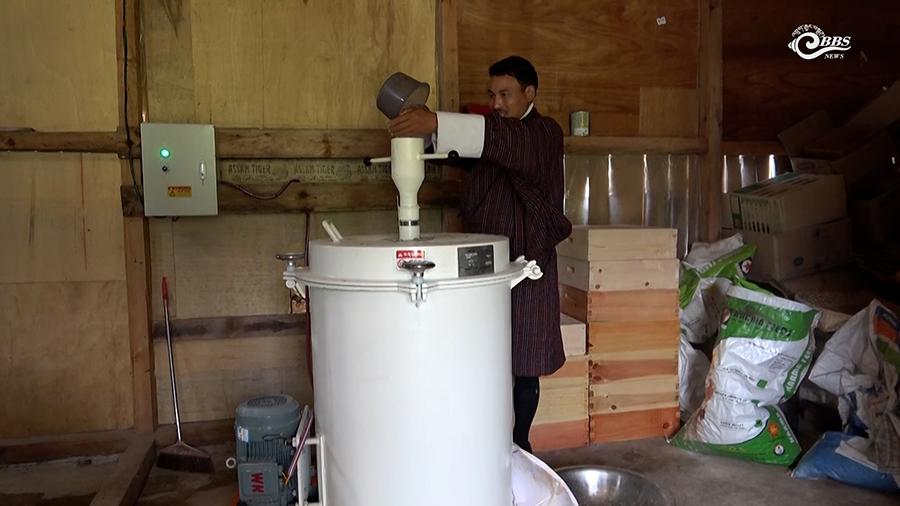 Thirty-eight-year-old Rinzin Dorji from Chumey Gewog never imagined that oats would one day become his livelihood.
After graduating, Rinzin fell ill in 2020. During his recovery, his sister regularly served him oat flakes as part of his diet.
Curious about its nutritional value, he began researching oats and discovered that while the crop was widely consumed around the world, the oats grown in Bumthang were used only as winter fodder for cattle.
Determined to change that, Rinzin prepared a business proposal, secured a loan, and established an oat processing unit three years later with limited machinery.
He said, “When I started producing it, locals were sceptical if it could be consumed as they considered it animal feed. Their scepticism had me doubt my business idea too. Consequently, I sent a sample for testing in India. The result came back positive, and I got the confidence to pursue the business.”
To encourage production in the initial years, Rinzin even distributed 50 kilogrammes of oat seeds to farmers in Chummey.
Now, farmers here cultivate oats twice a year, harvesting the grain during summer while continuing to use the straw as nutritious cattle feed during winter.
“Oat cultivation is helping youth stay on the farm like the general farming community and us. Being farmers, we have to continue farming work, and it is always better when we can cultivate on a larger scale,” said Karma Chedon, a resident of Chhumey Gewog.
“We sell the crop to him and he pays us in cash, which is what we need most. Although wild boars are making it difficult for us to grow the crop, we have been and will continue to cultivate it,” said Pema, another resident.
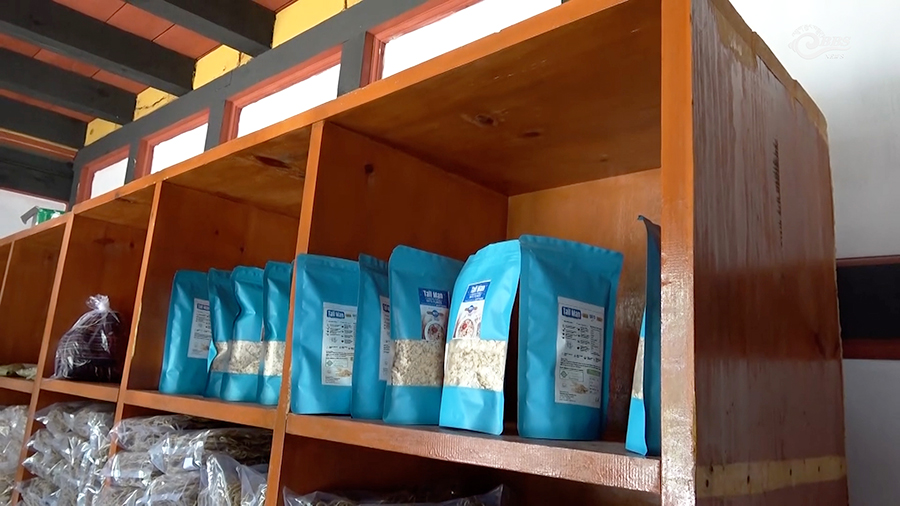 Local businesses are also supporting the initiative by stocking Bumthang-produced oat products.
Retailers say customers increasingly prefer locally processed oats because they are organic and healthy.
“Customers seem content as the crop is grown and sold here itself. We also tell them that it is grown naturally without using any chemicals,” said Lhamo Yangchen, a member of Beethang Aumtshu Throeden Detshen, Chhumey Gewog, Bumthang.
“Although not many people consume it as an everyday meal, some prefer to have it for breakfast as many are health-conscious now. The business is doing well as the oat produced in Bumthang is of good quality,” said Sonam Dendup, the proprietor of the CSI Market in Bumthang.
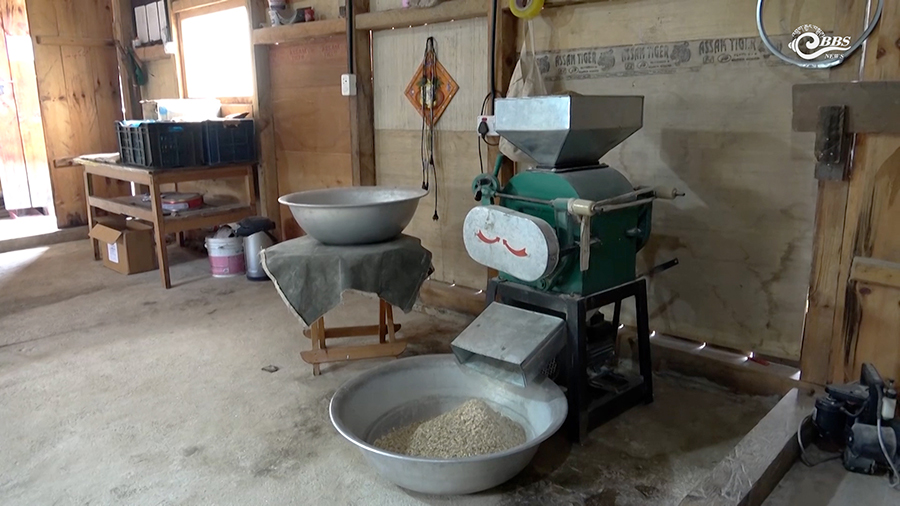 Despite growing demand, Rinzin says limited machinery remains one of the biggest challenges.
The unit currently lacks equipment such as an oat milk processing machine and an oat rice cutter, limiting its production capacity.
With additional support, he believes the business could diversify products and meet increasing market demand.
Rinzin Dorji said, “I plan to diversify and produce oat rice, milk and bread, which are preferred by many. However, budget constraints are a challenge for now.”
The district agriculture sector in Bumthang says supporting local agro-processing entrepreneurs is essential for strengthening food self-sufficiency and creating reliable markets for farmers.
The office is exploring opportunities to connect the unit with development partners and donors for additional support.
District Agriculture Officer Jambay Ugyen said, “There is a World Bank project called RNR Job focused on supplementing the budget for agri-business. So, we plan to support the unit by pitching ideas and submitting a proposal for this project.”
Today, the processing unit produces oat flakes and oat flour using locally sourced oats, employing three young individuals. It has received support from various agencies, including the European Union.
The unit collects between five and six tons of oats annually from nearby farmers.
More than thirty farming households now benefit from supplying oats to the processing unit.
Beyond Bumthang, the products are now reaching markets in Thimphu and Paro.
From turning an overlooked crop into a growing business to creating a dependable market for local farmers, Rinzin Dorji’s journey demonstrates how innovation and determination can transform agriculture into opportunity, benefiting both rural livelihoods and Bhutan’s pursuit of greater food self-sufficiency.
Rinzin’s story shows how an innovative idea can turn a simple crop into a massive opportunity, transforming rural livelihoods and supporting the country’s food self-sufficiency goal.
Thinley Dorji, Bumthang
Edited by Phub Gyem