
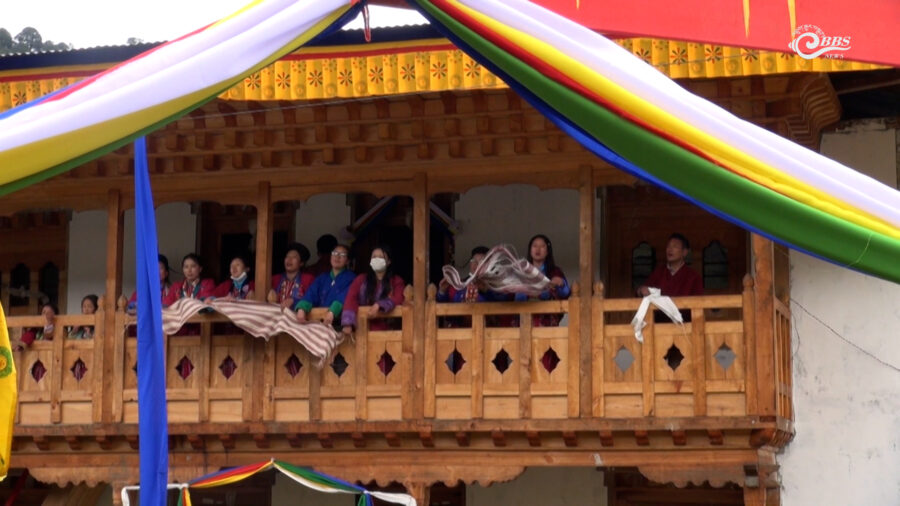
 Although the Great Yeti Quest Festival ended last month, one of its most memorable highlights continues to draw attention. The festival revived Sakteng’s traditional house consecration ceremony, offering visitors a rare glimpse into a centuries-old cultural practice that is gradually disappearing.
The demonstration was organised to preserve and showcase one of Sakteng’s unique traditions, as fewer families continue the elaborate ritual due to rising costs and changing lifestyles.
The tradition begins long before a house is built. It starts with the collection of roofing materials from nearby forests. In the past, homes were constructed using mud, stone and timber. While modern houses have changed in design and construction, the traditional house consecration ritual has remained largely unchanged.
 On the day of the ceremony, carpenters, relatives, guests and villagers are welcomed with tea, locally brewed wine and bangchang. One of the most distinctive features of the ritual is the use of carved wooden phalluses. Carried through the gathering, they create laughter and entertainment while symbolising protection from negative forces and bad luck.
“Those carrying the wooden phallus make sounds that imitate the churning of butter tea. It symbolises offering tea to people after a hard day’s work. Their playful actions make people laugh and feel shy, while we believe the ritual drives away negative energy and bad luck, bringing blessings to the new home and its owners,” said Dorji Tshering, a resident of Sakteng.
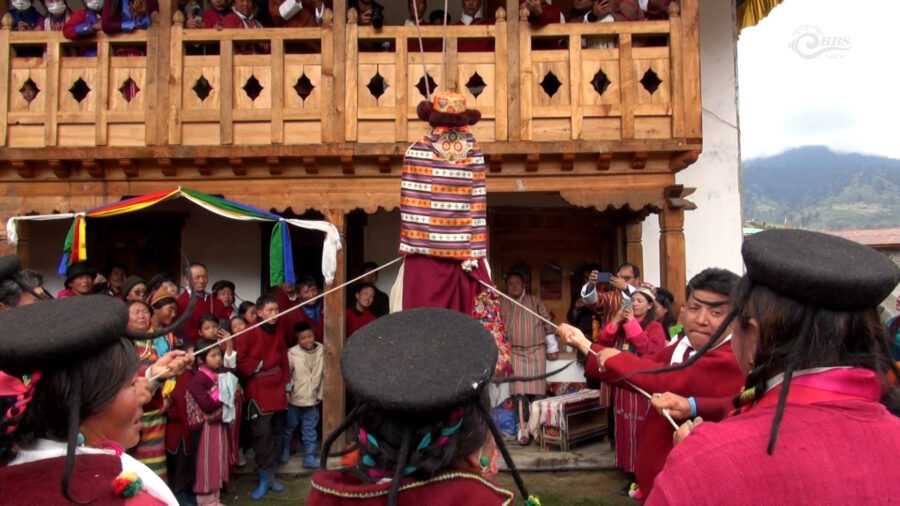 Another important ritual involves a woman, usually the house owner’s sister or a close female relative, being ceremonially pulled from the first floor to the upper floor of the house. As she is lifted, villagers sing traditional songs of prayer, praise and blessings in their local dialect.
According to residents, the woman represents Ama Jomo, the local deity.
“When we were young, almost every family in Sakteng performed this traditional house consecration ceremony. Today, many people no longer do so because it is expensive. Ama Jomo is our local deity. Since we cannot make offerings to her directly, a woman, usually the house owner’s sister or a close female relative, represents her during the ritual. Through prayers, we make offerings to the Khenchosum and seek blessings for the new home,” said Sanjay Dorji, another resident of Sakteng.
 The rituals continue as villagers imitate the cry of a baby before carrying a wooden phallus into the house behind the woman. The symbolic act is believed to bless the new home with prosperity, wealth and children.
A lama then performs prayers to bless the newly completed house before food and drinks are served to everyone gathered for the occasion.
Although there are no written records of when the tradition began, local people believe it has been practised since the 13th century.
Today, the traditional house consecration ceremony is rarely performed because it requires considerable time, effort and expense. Community members hope that showcasing the ritual during events such as the Great Yeti Quest Festival will encourage younger generations to value and preserve this unique cultural heritage.
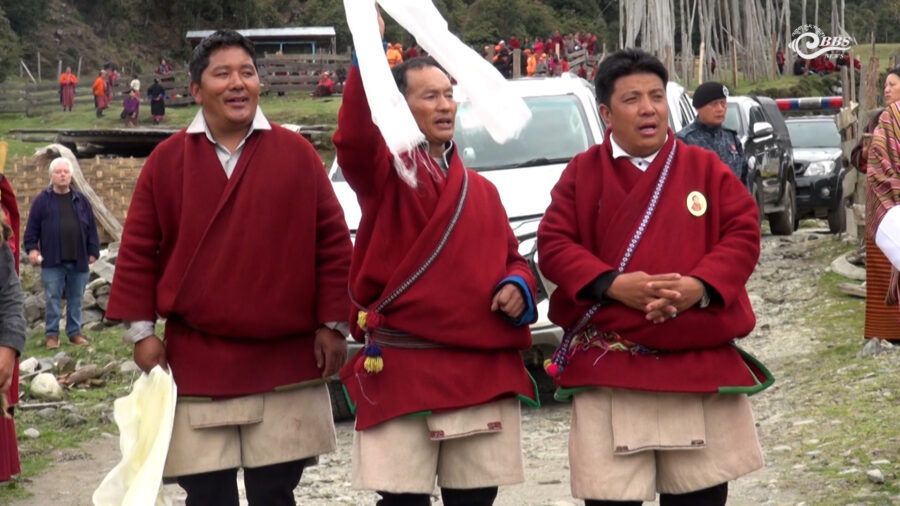
The ceremony concludes with guests waving khadars and singing traditional farewell songs, marking the end of a ritual that has connected generations of the Sakteng community for centuries.
 Sonam Darjay, Trashigang
Edited by Sonam Pem