
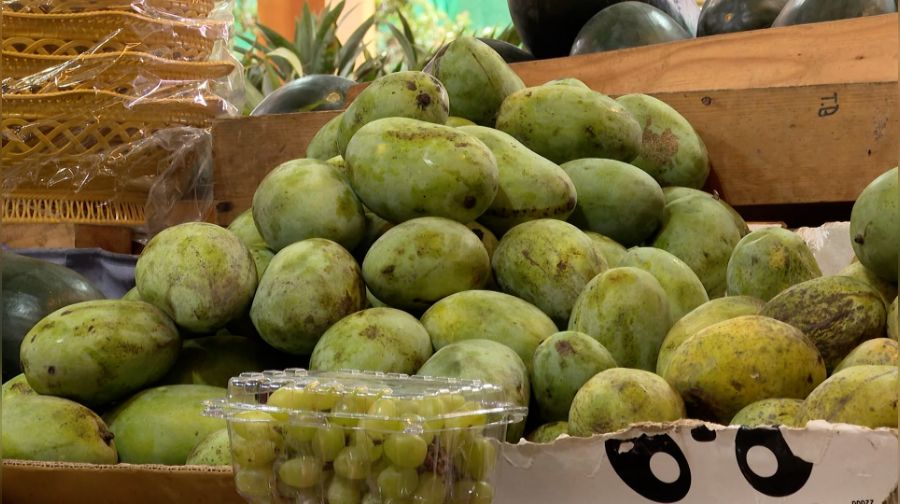
 The Bhutan Food and Drug Authority, BFDA, has strengthened controls on imported Langra mangoes after it detected calcium carbide in 12 out of 34 mango samples tested. Calcium carbide is a toxic chemical used for artificial ripening. The findings come from two rounds of testing following concerns over the safety of imported mangoes.
In the first round, BFDA tested 11 mango samples, of which two tested positive for calcium carbide. The authority then expanded its surveillance, collecting 23 additional samples from all border entry points and markets in Thimphu.
Of the additional 23 samples, 10 tested positive for calcium carbide, with the majority of the positive samples belonging to the Langra variety.
According to the World Health Organisation, prolonged exposure to the chemical can cause severe health risks, including nerve damage and cancer.
Following the findings, consignments of Langra mangoes are now required to undergo testing before they can be released into the Bhutanese market.
According to trade statistics, Bhutan imported more than 1,100 metric tonnes of mangoes worth almost Nu 80 M last year.
“The BFDA has exercised the import control system, whereby we have asked all the fruit importers dealing with the imports of mango to apply for the import permit, and then accordingly, fulfil the import conditions. First, mangoes imported into the country should be free from pests, and second, they should not contain calcium carbide,” said Dechen Wangmo, the chief regulatory and quarantine officer, BFDA.
However, BFDA says Bhutan’s food safety system is based on a risk-based approach, meaning not all imported food products are subjected to the same level of inspection and testing.
The authorities said it prioritises products considered more likely to pose a food safety risk.
Depending on the nature of the risk, BFDA can stop consignments at the border, reject imports, and suspend or ban imports.
BFDA said it continues to monitor international food safety alerts through systems including the International Food Safety Authorities Network and the European Union’s Rapid Alert System for Food and Feed.
These systems allow food safety authorities to share information on products that may pose risk and take action when credible concerns emerge.
Beyond testing and enforcement, BFDA encourages consumers to report suspicious or potentially unsafe food products to the authority.
The health ministry and BFDA said they will continue to strengthen surveillance, expand laboratory testing, and continue collaborating with international food safety networks.
Deki Lhazom
Edited by Phub Gyem