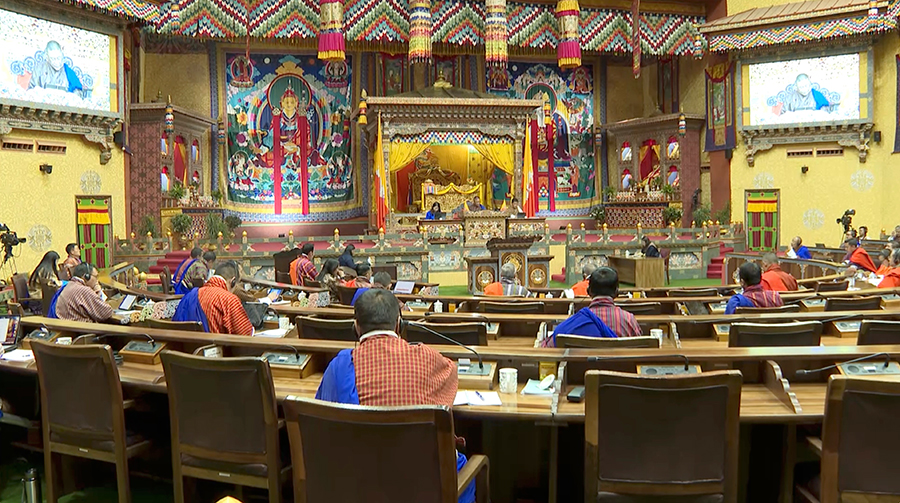
 As the country faces a shortage of nurses, concerns are mounting over the capacity to train future healthcare professionals. In the National Assembly last week, Monggar’s Member of Parliament called for new nursing colleges to help bridge the gap. However, he said Khesar Gyalpo University of Medical Sciences has imposed a moratorium on proposed nursing colleges.
The Annual Health Bulletin 2025 recorded a slight decrease in the number of nurses from nearly 1,620 in 2023 to more than 1,570 in 2024.
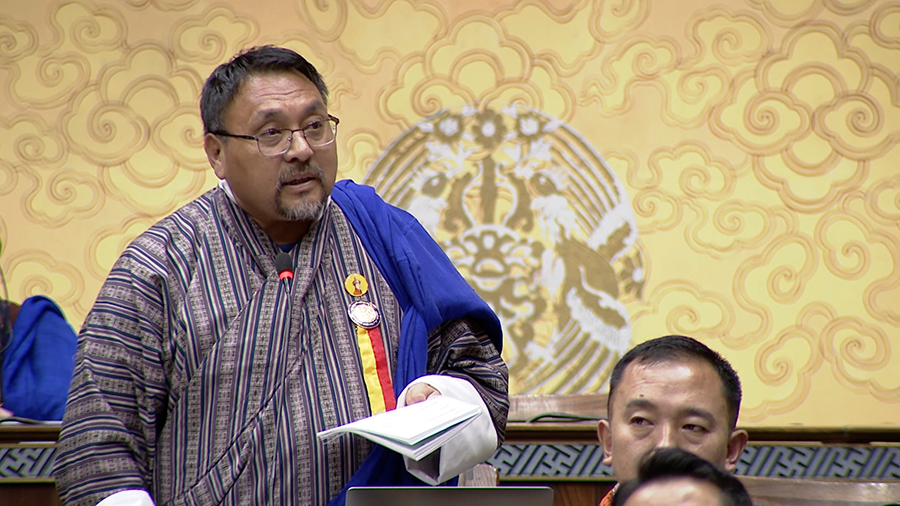 According to MP Naiten Wangchuk, the country has a shortage of nurses, raising the need for more educational institutions to train medical professionals. The MP said Khesar Gyalpo University of Medical Sciences has imposed a moratorium on proposed nursing colleges, including Dungsam Academy, Sherub Reldri and another institution in Monggar.
He argued that allowing new colleges would help expand domestic nursing education and create more balanced opportunities across the country.
At present, the country has four nursing private institutions, Apollo Bhutan Institute of Nursing, Arura Academy of Health Sciences, YT Nursing Academy and Royal Thimphu College.
“Do we have a plan to reduce attrition among our nurses? If not, the number of nurses will continue to decline year by year. Currently, we have Apollo, Arura, and RTC, will these three facilities be sufficient? Most of them are located in Thimphu, and there are limited opportunities for hands-on training in other districts. ”
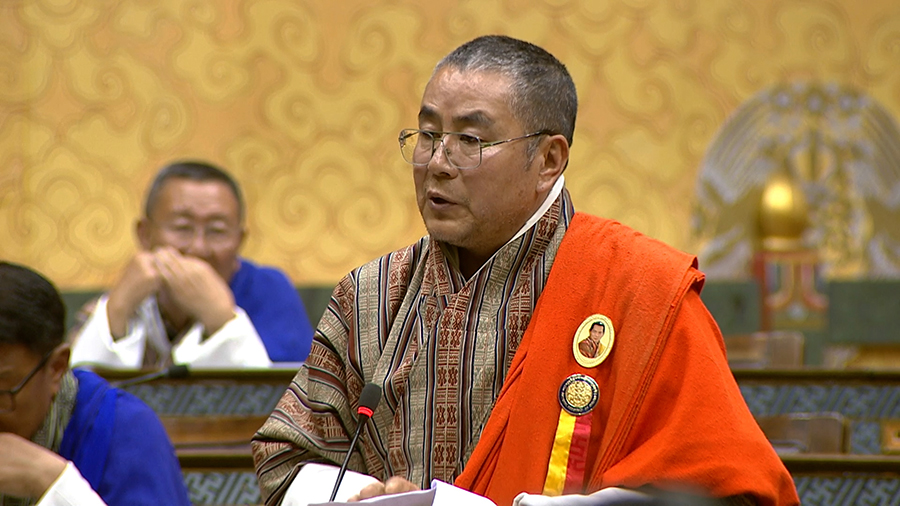 In response, Health Minister Tandin Wangchuk said the Khesar Gyalpo University of Medical Sciences has received only one proposal to establish nursing college. Moreover, the minister said the decision to establish an institution does not rest solely with the Khesar Gyalpo University of Medical Sciences.
He explained that institutions must first obtain the necessary policy clearances and approval from the Ministry of Education and Skills Development before the health ministry approves.
The minister added that nursing students require extensive clinical practice to ensure quality training, which is difficult to provide in many health facilities across the country.
“The nurses firstly need to get a hand on practice in a hospital with a patient at the second year of college. Most of the hospital has been handed over to the four universities. That’s why it is not possible to establish others.”
He further explained that although primary healthcare facilities are available across the country, they do not provide the clinical exposure required to meet the standards of professional nursing education.
“In the primary health centres, we only have HA. For instance, a centre is only responsible to vaccinate the mother and child and stabilising and referring an emergency to the hospital. It is the only hospital that provides treatment so a centre is not a place to practice medicinal education. ”
The minister acknowledged that the country has a nurse shortage, so the ministry is initiating various long-term and temporary solutions.
According to the minister, nearly 460 nursing students are expected to graduate this year, while there are nearly 2,720 nursing students enrolled across the country.
In addition, the ministry has increased intake capacity, including the addition of 70 new nursing seats at Royal Thimphu College.
Singye Dema