
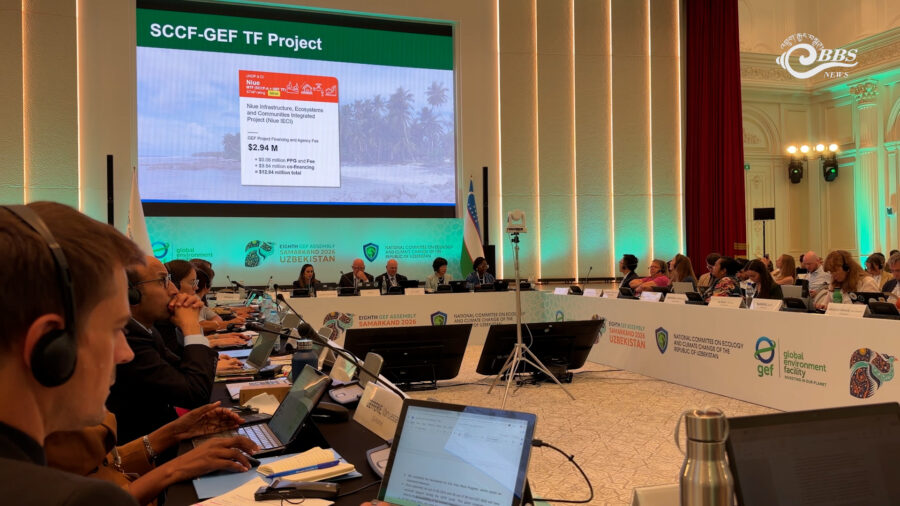
 During the 71st Global Environment Facility Council Meeting in Samarkand, Uzbekistan, Bhutan took centre stage as a beacon of hope for climate action. The country’s initiative to protect forests and secure rural livelihoods has been lauded as a global success model.
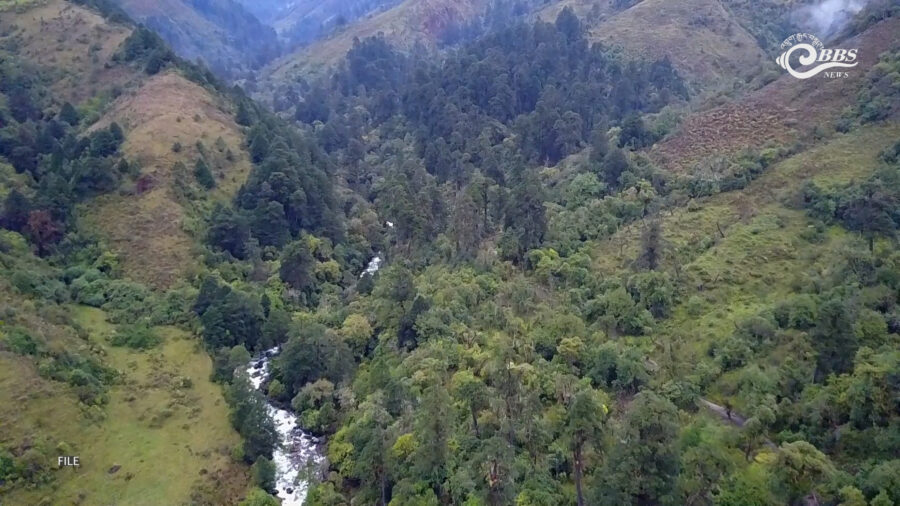 Bhutan is known as one of the world’s only carbon-negative countries.
Yet, it is not being spared from the devastating impacts of climate change-induced hazards.
Erratic rainfall, hailstorms, and flash floods are becoming more frequent.
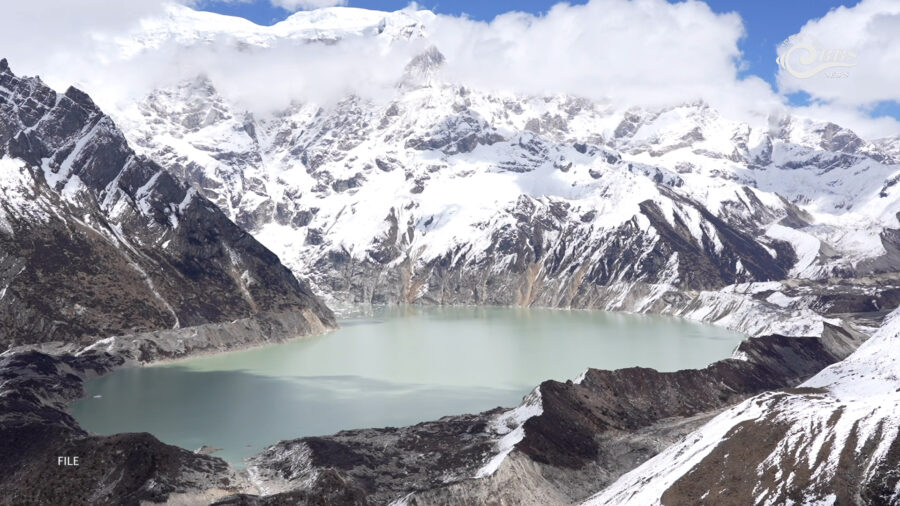 Up in the mountains glaciers are melting rapidly, while downstream water sources are drying up.
Yet faraway in Samarkand, the international community is celebrating this tiny Himalayan kingdom.
During the GEF Council Meeting, delegates hailed Bhutan’s project, Enhancing Sustainability and Climate Resilience of Forests and Agricultural Landscapes and Community Livelihoods, as a blueprint for the rest of the world.
The government, through the finance ministry and with technical support from the UNDP, implemented the USD 56 M project in 12 districts.
According to numbers presented in the project’s impact reports at GEF reviews, food availability in the targeted project sites increased by 84 per cent, driven by climate resilient agriculture and sustainable land management practices.
 The initiative is not just about agriculture. It has strengthened biological corridors, contributing to tiger conservation through partnerships with multiple agencies and projects. Today, the country is home to more than 130 tigers.
In addition, over 30 kilometres of climate-resilient roads were built, reducing travel time and improving market access to farmers.
“The project has achieved great results. We have been able to use the resources very efficiently which made the project a great success. Number two, there is a significant amount of co-financing from the government which actually shows ownership of the projects. Although the project has concluded a few years ago, the outcome has been sustained over time. So, based on the sustainability of the outcomes, commitments, and some of the great results that we have achieved, the project was hailed as a successful model,” said Tshewang Dorji, a senior climate change specialist, Global Environment Facility.
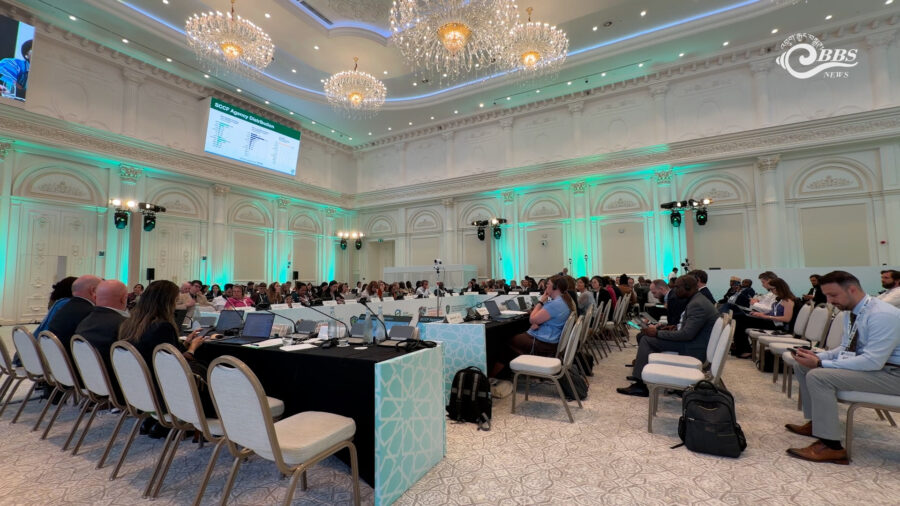 As the curtains fall on the meetings in Uzbekistan, Bhutan leaves a lasting impression. The lesson is clear, with the right investments, local actions can solve global crises.
Phub Gyem, Samarkand, Uzbekistan
This story is produced as part of a reporting fellowship to the Eighth GEF Assembly supported by Internews’ Earth Journalism Network.