Members of Parliament raised concerns in the National Assembly today over the proposed electricity tariff revision. They questioned whether households and businesses can cope with another increase in living costs. The MPs sought clarification from the government on the rationale behind the proposed increase and whether support measures would be provided for the public.
Under the proposed tariff revision, the low voltage consumers will pay Nu 5.63 per unit, an increase from Nu 2.66 per unit. Low voltage users are households, offices and small businesses. Although they make up the majority of the electricity consumers in the country, they consume only around 10 per cent of the domestic power generation.
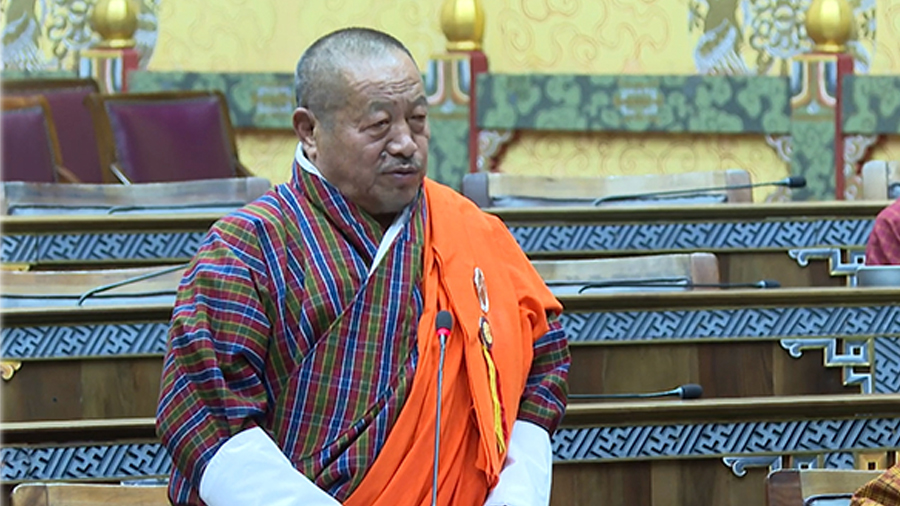
Questioning the Energy and Natural Resources Minister, Khamdang Ramjar MP Namgay Dorji questioned the timing of the proposed tariff revision amid growing economic pressure on the public.
“The timing of the proposal is worrying, given the economic uncertainties arising from the ongoing conflict in the Middle East and the increasing cost of living. Therefore, are there any plans to provide subsidies or other forms of support for people who are already struggling to meet their daily expenses?”
Kengkhar_Weringla MP Dorji Wangmo raised concerns about the growing pressure on the government’s spending.
“In the financial year 2025–2026, Nu 378 M has been allocated for domestic power subsidies. At the same time, the government is already spending a significant amount on fuel subsidies. With inflation remaining high due to factors such as the implementation of GST, rising fuel prices, and increasing living costs, many people are already facing financial pressure. In this situation, if electricity tariffs are increased, will the government continue providing subsidies at the current level, or will additional subsidies be required? And if more subsidies are to be provided, where does the government plan to mobilise the required budget from?”
Responding to the concerns, the Minister for Energy and Natural Resources said the electricity tariff revision is supposed to be reviewed every three years according to the Electricity Act of Bhutan.
“If we look at the Electricity Act of Bhutan, section II, Druk Power Corporation Limited can submit a tariff increase proposal every three years. Their committee includes DHI and others from outside, and not necessarily the government. The proposal submitted is studied by DGPC and BPC, and it is also consulted with people before imposing.”
The minister added that the government is continuing electricity subsidies, including 200 units for highlanders and 100 units for rural households.
He also noted that Bhutan’s electricity tariff is still lower compared to several countries in the region.
According to the Chief of Electricity Regulatory Authority, the proposed tariff revision is under discussion as the government is still reviewing the subsidy mechanism.
Namgay Wangdi
Edited by Sonam Pem