 School students in Paro are bringing rare family heirlooms into the public eye. The National Museum in Paro, with Shari Higher Secondary School, launched the School-Museum Exhibition yesterday, showcasing historical artifacts contributed by students from their own family belongings. The exhibition aims to engage young people and communities in preserving and sharing Bhutan’s cultural heritage, to build a stronger sense of ownership and interest in the country’s past.
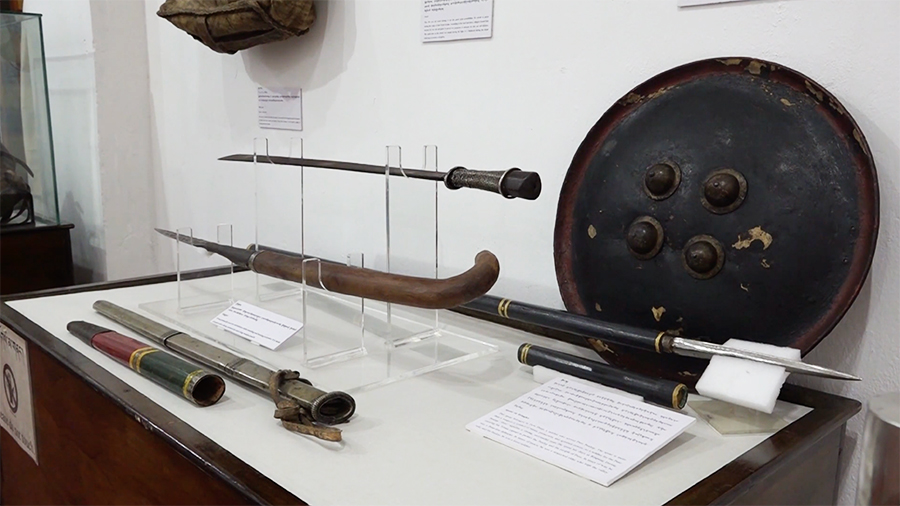 From ancient tools and documents to relics preserved in household altars, the collection offers a deeply personal glimpse into Bhutan’s past.
The exhibition features more than 19 artifacts. And each object is tied to a family story, making the exhibition more intimate than conventional museum displays.
Many of the artifacts have been passed down through generations. Some were royal gifts, passed down within the family over generations, adding historical and cultural significance to the display.
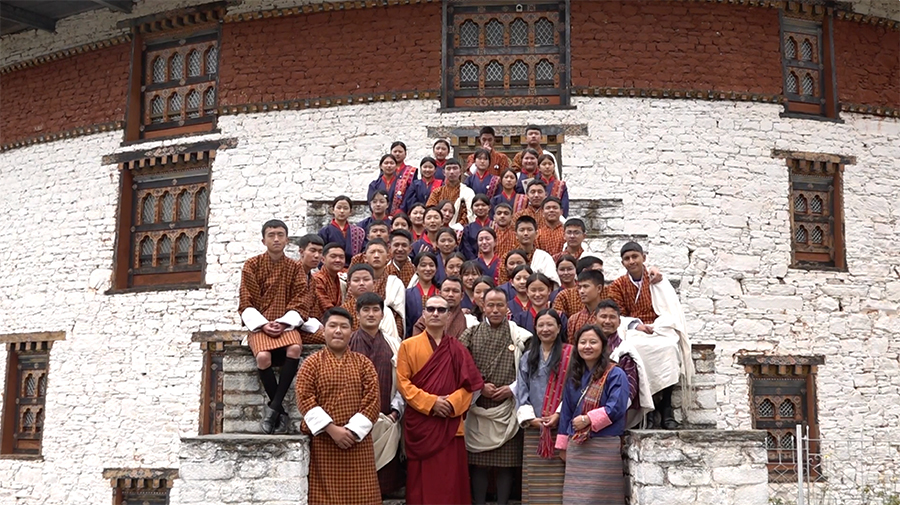 The artifacts, all voluntarily loaned by students of Shari Higher Secondary School, will be on display for a month.
One of the students, 15-year-old Amir Rai from Shari Higher Secondary School, is displaying a unique artefact believed to be a “namcha” or sky-iron. “There was a thunder strike at Jangsa in Paro. Since my grandfather was a shaman, he suspected that something must have fallen in the area. He went to check, he saw a glowing hot rock. Then he brought it home and said it is a namcha (sky-iron). Since then, my family kept it at the altar,” Amir narrates the history behind it.
Another student, 16-year-old Sonam Youden, is exhibiting a horse rein that her grandfather bought from Tibet in 1978 when he was 18 years old. Sonam says, “Today, we keep it as a relic at our house. And I am really proud to be displaying it at the national museum.”
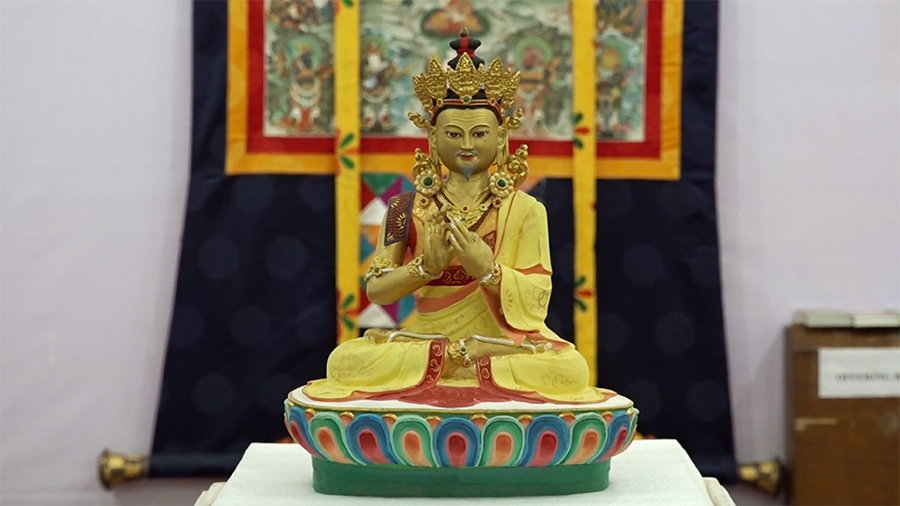
Some artifacts have also been brought in to encourage wider participation. A rare statue of the 39th Je Khenpo, Lodroe Gyaltshen, was contributed by Tashi Dema, a history teacher, and her family to motivate students and their families to take part in the exhibition. She says the initiative is already changing how students engage with history. “I think this is a fun way to teach students history. They also get an amazing experience, and they are enjoying it so far. History is usually seen as a boring subject by children but this gives them place-based education, which is all about collaboration.”
The museum plans to engage students to explain their own artifacts to visitors over the weekends, when they are free from classes, allowing them to directly share the stories behind the items on display.
Pema Gyalpo, the Director of the National Museum of Bhutan, says, “This is just the beginning, that is why we organised it on a small scale. But in the coming times, we will collaborate with youth councils and give other schools across the country such opportunities.”
Officials believe this approach will not only spark interest among young people but also encourage communities to take a more active role in preserving Bhutan’s cultural heritage.
Karma Samten Wangda, Paro
Edited by Phub Gyem