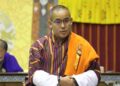
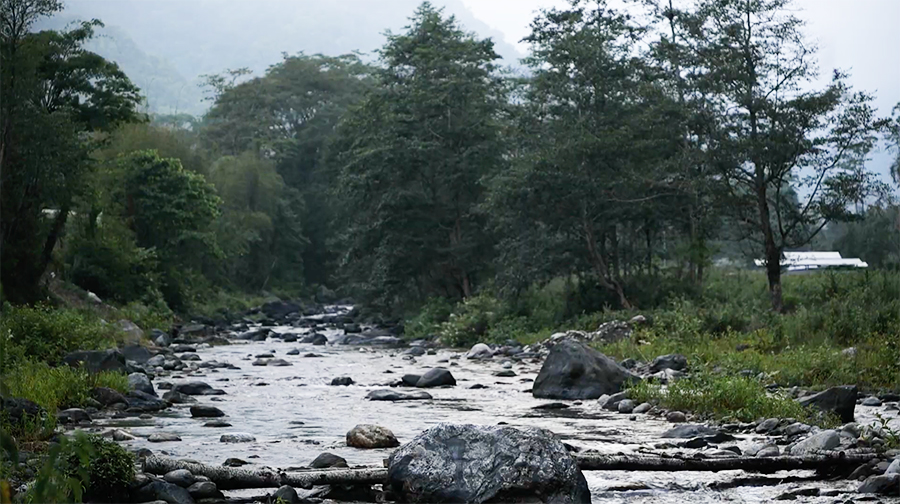
 Bhutan is putting a value on something that does not usually appear in national economic accounts: nature. The country has become the first in the world to adopt the Gross Ecosystem Product (GEP) at the national level. The measure puts an economic value on the services provided by forests, rivers, soils and landscapes. Prime Minister Tshering Tobgay says Bhutan’s GEP was worth approximately six point USD 2bn in 2024. The figure was announced during Climate Week and the Science Summit 2026 in New York.
For a country where mountains, forests and rivers are central to life and livelihoods, nature has always been more than scenery.
Now, Bhutan is putting a number to the value it provides. Bhutan has become the first country to adopt the Gross Ecosystem Product (GEP) as a national-level measure.
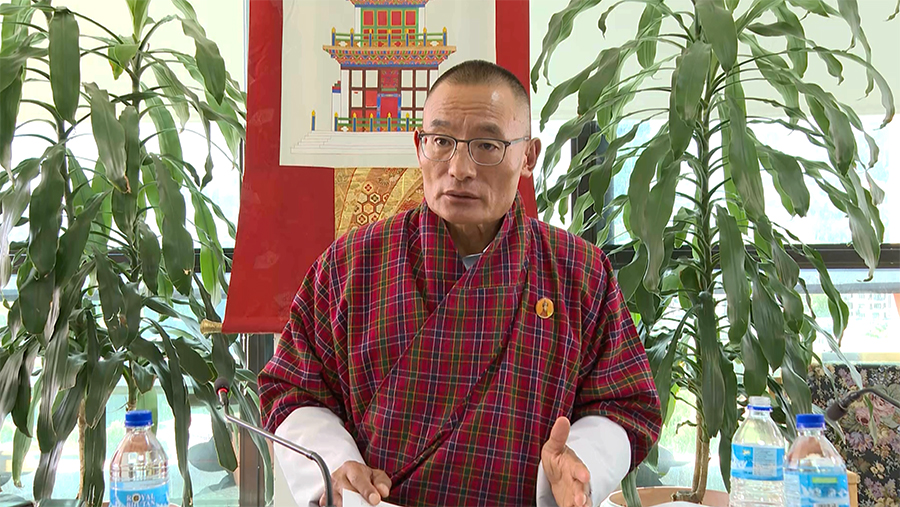
Prime Minister Tshering Tobgay announced that Bhutan’s GEP stood at approximately six point USD 2bn in 2024. The announcement was made at Climate Week and the Science Summit 2026 in New York.
So, what exactly does GEP measure?
Gross Domestic Product, or GDP, captures the market value of goods and services produced in an economy. GEP looks at another side of the equation: the value of services provided by ecosystems.
That includes the benefits people and the economy receive from forests, rivers, soils and landscapes, such as water regulation, carbon storage, agricultural support and other ecosystem services.
The idea is to make these contributions more visible when decisions are made about development and investment.
According to the Prime Minister’s Office, Bhutan’s GEP accounts are designed to complement GDP and support sustainable development, investment decisions and climate-resilience planning.
For Bhutan, the concept also builds on a philosophy that has shaped national development for decades. Gross National Happiness places environmental conservation alongside social and economic wellbeing.
GEP extends that approach by seeking to measure the economic value of the natural systems that underpin human wellbeing and livelihoods.
The initiative comes as countries around the world grapple with growing environmental pressures.
Retreating glaciers, changing weather patterns, biodiversity loss and climate-related disasters are putting increasing pressure on ecosystems and the communities that depend on them.
For Bhutan, the risks are particularly significant.
Changes in forests, water systems and mountain ecosystems can affect agriculture, infrastructure, livelihoods and the wider economy.
GEP is intended to help make those connections more visible in national planning. The measure therefore asks a different question about development.
Not only how much an economy produces, but also what it receives from nature, and what natural assets it maintains for the future.
Bhutan developed its GEP accounts in collaboration with the Natural Capital Alliance at Stanford University, with support from the Enlight Foundation.
At the launch, Bhutan’s National Statistics Bureau was also awarded the 2026 Natural Capital Young Leaders Prize for its work in advancing natural capital accounting.
The challenge now is to translate the numbers into decisions.
By bringing the value of ecosystems into national accounts, Bhutan hopes to give policymakers another way to understand the benefits nature provides, and the potential cost of losing them.
For Bhutan, the Gross Ecosystem Product is an attempt to make something that has always been difficult to measure more visible in the national balance sheet: the value of nature itself.
Sonam Yuden
Edited by Sonam Pem