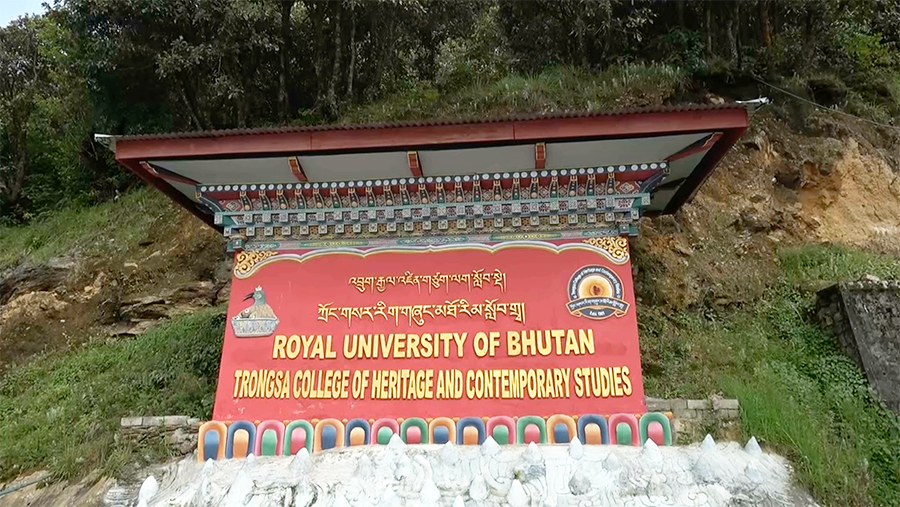
 A college that once struggled with declining enrolment is taking a new approach to remain relevant. The College of Language and Culture Studies in Trongsa has been renamed the Trongsa College of Heritage and Contemporary Studies and introduced five new academic programmes. The college says the new courses respond to changing career demands while continuing to preserve Bhutan’s cultural knowledge.
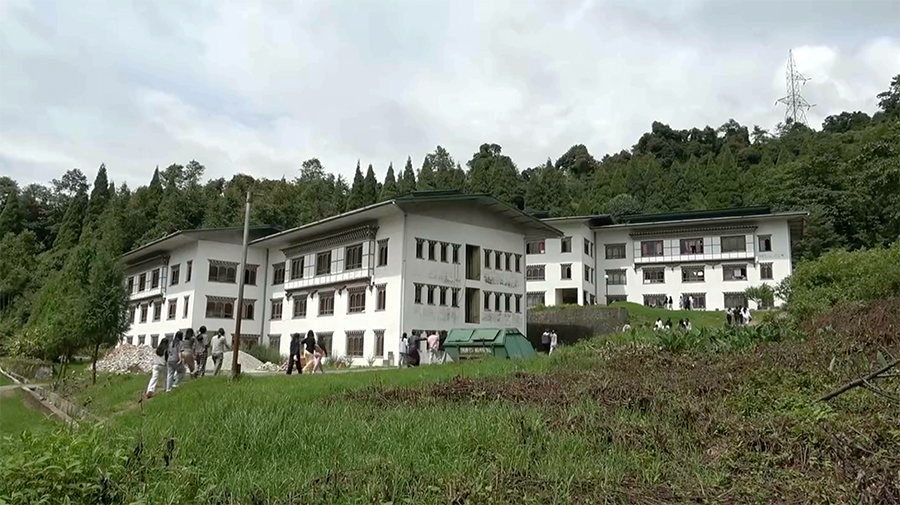 In 2023, the College of Language and Culture Studies suspended new admissions, raising concerns about the future of the institution.
The Royal University of Bhutan carried out consultations with experts, government agencies, private sector representatives and other stakeholders to review the college’s academic direction.
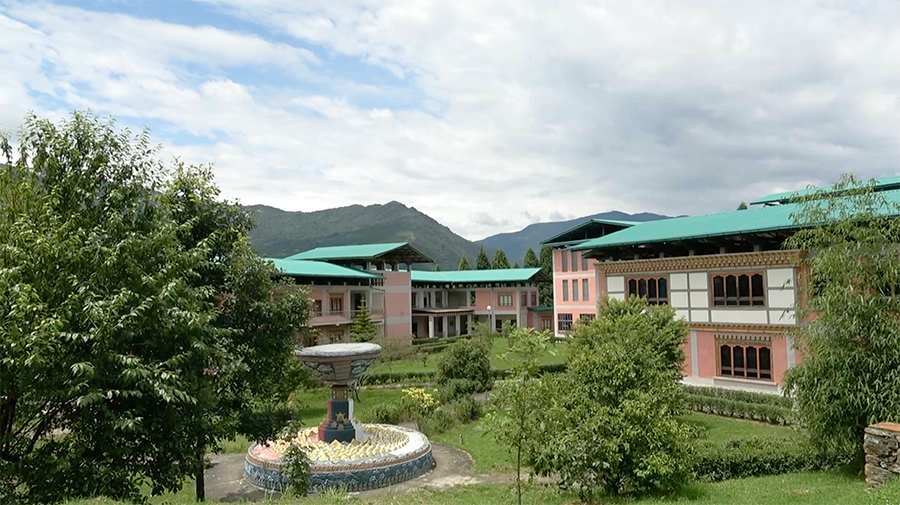 The university then restructured the college and introduced five new four-year undergraduate programmes.
The new programmes include Language and Heritage Studies, History and Global Affairs, Cultural Innovation and Entrepreneurship, Buddhist Psychology and Mindfulness, and Bhutan Studies and Global Perspectives.
The college says the programmes prepare graduates for careers in areas of diplomacy, public policy, education, journalism, and research, as well as cultural tourism, entrepreneurship, mental health, and international development.
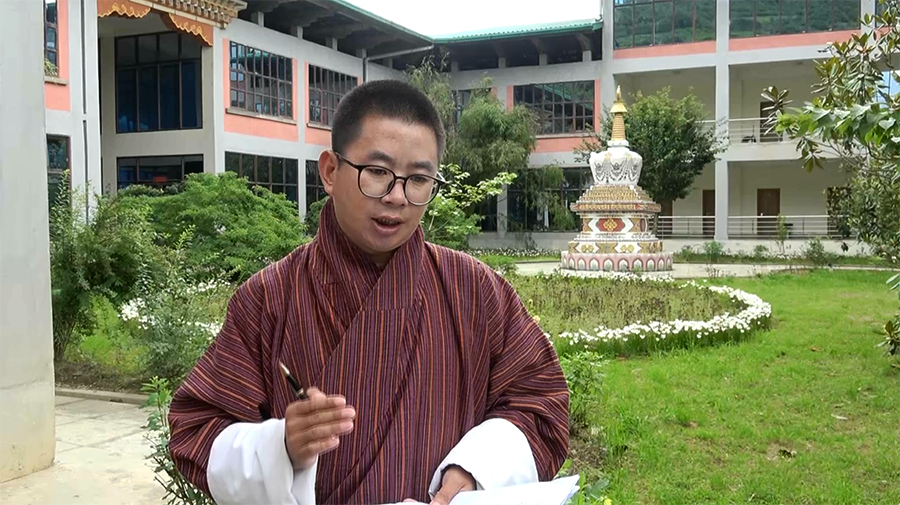
“As times change and society modernises, our courses also need to evolve. We need to offer contemporary studies that equip students with the knowledge and skills to secure employment while continuing to preserve Bhutan’s cultural heritage. It is this new academic direction that has led us to rename the institution as Trongsa College of Heritage and Contemporary Studies,” said Pema Wangchuk, the Dean of Academic Affairs.
The college enrolled 125 students this academic year.
The Dean said, “They can participate in conferences and seminars outside the country. With the knowledge and expertise they gain, they will be better equipped to contribute professionally and pursue employment opportunities abroad. At the same time, these programmes prepare our students to share Bhutan’s culture and heritage wherever they work.”
While the college has repositioned itself with a new academic focus, it remains to be seen if the restructuring and the new programmes can equip graduates with the skills the country needs and ensure the institution’s long-term sustainability.
Thinley Dorji, Bumthang
Edited by Sangay Chezom