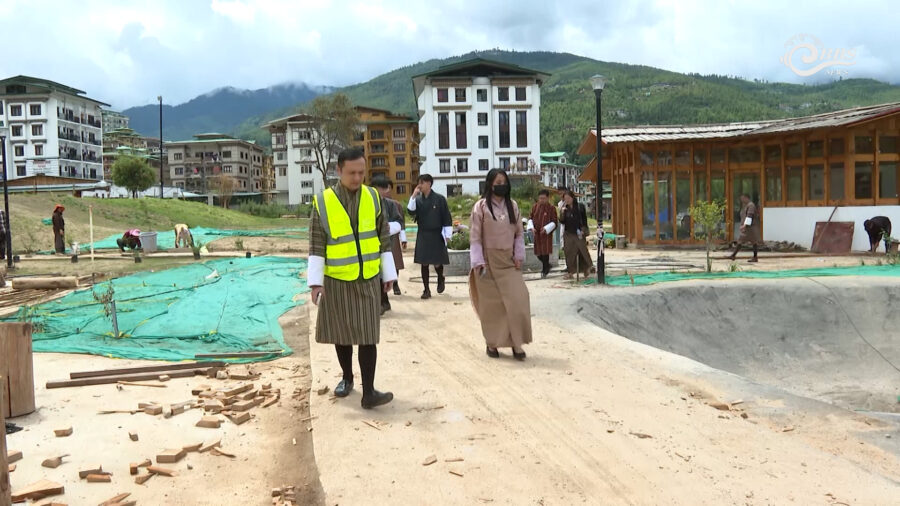
 The country is stepping up efforts to make public infrastructure more accessible. However, participants attending the Disability Equality Training and Accessibility Auditing say infrastructure can only be truly inclusive if people living with disabilities are consulted in its design and assessment. After visiting a few public facilities in Thimphu Recently, they recommended improvements to make the existing accessibility features more functional and user-friendly.
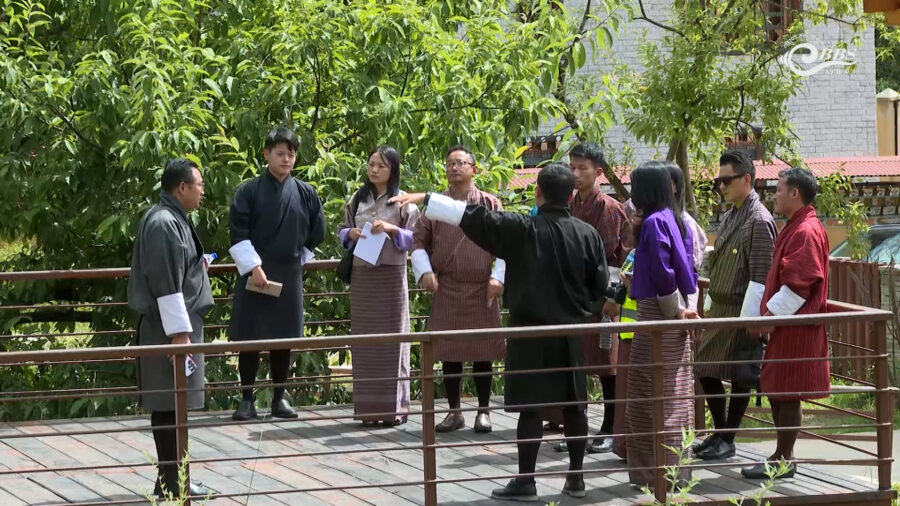 Participants of the two-day Disability Equality Training and Accessibility Auditing inspected four public facilities under construction in Thimphu.v
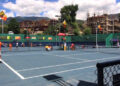
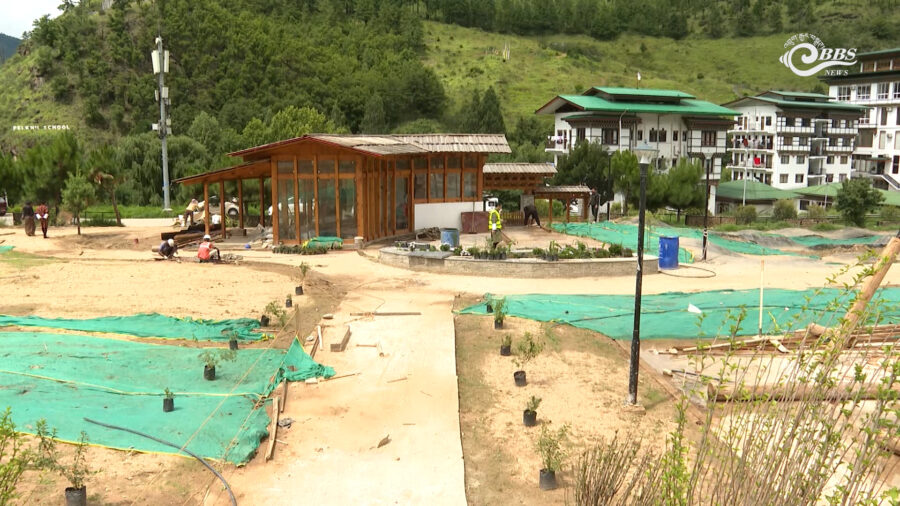 They visited the Ecological Park and Olakha Park, as well as the stormwater drainage system, and Motithang tactile paving.
These public spaces, currently under construction, are designed with inclusivity in mind.
However, participants said several features need improvement to make them more user-friendly.
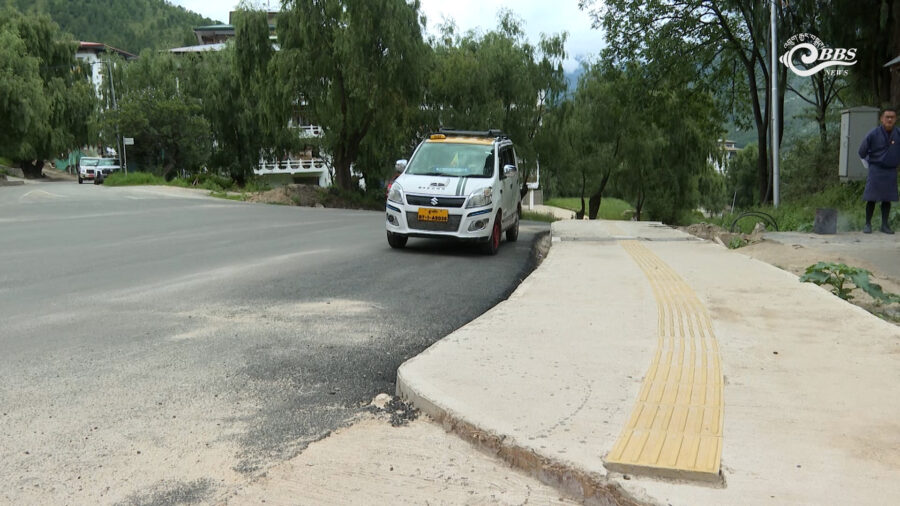 For instance, the tactile paving designed to guide people with visual impairments is interrupted by manholes and road crossings, creating a barrier.
They recommended using rubber tactile paving around or over manholes and installing Braille or tactile blocks at key locations to provide continuous guidance.
At the parks, participants noted that while ramps have been provided, some do not meet the recommended gradient for wheelchair users, making them difficult to use.
They also pointed out that public restrooms are not spacious enough for wheelchair movement and that there are no designated parking spaces for those living with disabilities.
Participants said these improvements are essential to ensure public infrastructure is not only accessible in design but also practical and usable for people living with disabilities.
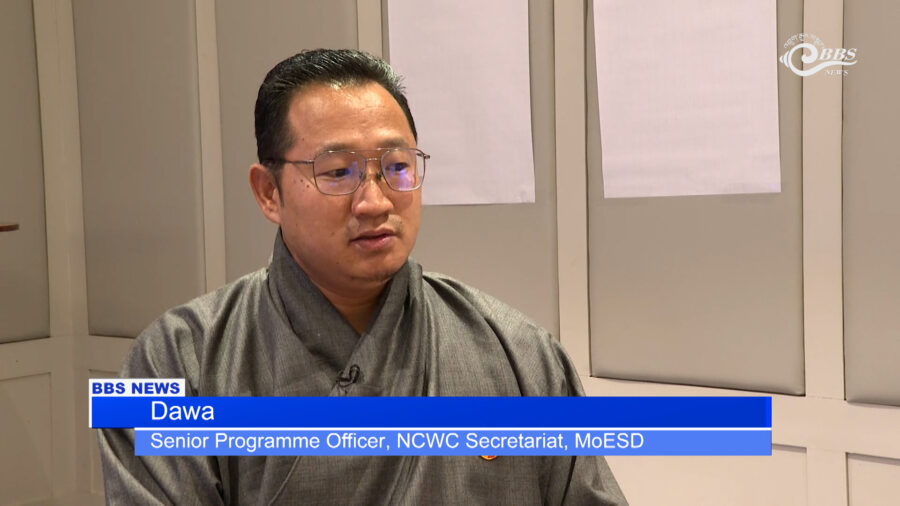 “What I found is that, at present, accessibility for people with disabilities is often considered only after construction is completed. As a planner working with different stakeholders, I believe these needs should be addressed right from the planning stage. One of the key lessons I took away from this two-day training is that people with disabilities should always be included in the planning and design process,” said Dawa, a senior programme officer for NCWC Secretariat, MoESD.
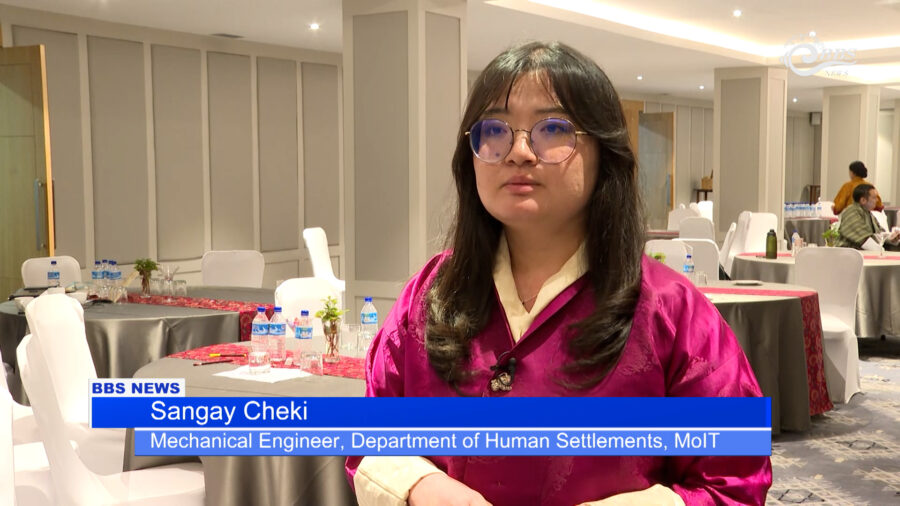 “We can improve accessibility by providing features such as elevators, wider toilets and more spacious washrooms for people who use wheelchairs. I believe these are some of the infrastructure improvements we should make to create a more accessible environment,” said Sangay Cheki, a mechanical engineer with the Department of Human Settlements, MoIT.
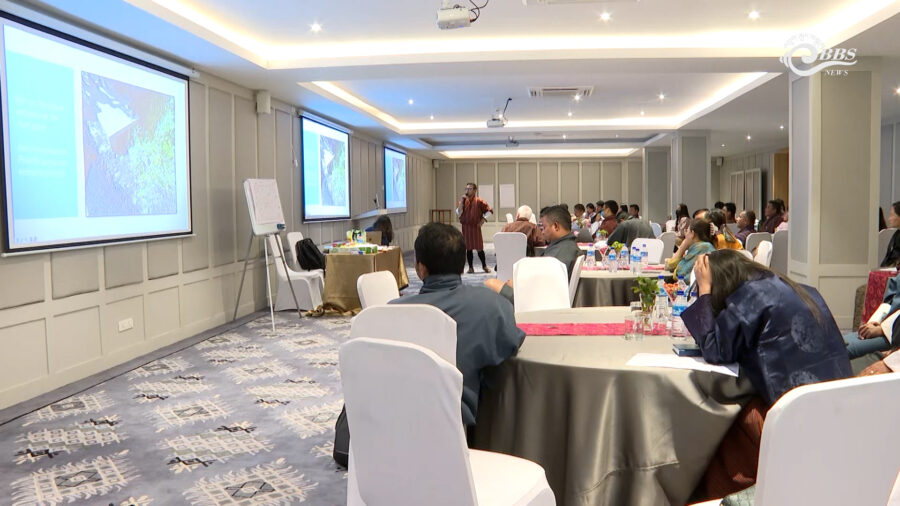 The Department of Human Settlements under the Ministry of Infrastructure and Transport, along with the Disabled People’s Organisation and United Nations Development Programme, conducting the training, said that these recommendations will be shared with the ministry and Thimphu Thromde for consideration in future planning and implementation.
These inclusive designs, part of the urban resilience project, are expected to become a standard feature in all urban development projects across the country.
“We are in constant contact with the relevant authorities and implementing partners who are carrying out activities on the ground. We carefully capture the recommendations that emerge from trainings like this, as well as from other programmes, and work to ensure they are taken into account in all projects that are in the pipeline,” said Tshering Penjor, the project manager from Project Management Unit, MoIT.
As Bhutan continues to develop its towns and cities, the focus is now on ensuring accessibility is considered from the drawing board, so that no one is left behind.
Singye Dema
Edited by Phub Gyem