
 For a small but growing number of Bhutanese women, driving a taxi has become a route to economic independence. But many say the job carries risks that reach well beyond the road, which include harassment, threats to their personal safety, and a financial penalty that comes from having to stop work before dark.
In this story, our reporter Tashi Dekar looks at the pressures women taxi drivers face and how organisations, such as Respect, Educate, Nurture and Empower Women, RENEW, are working to support them through training, counselling, and a growing network of peers.
 Across the country, women remain a small minority behind the wheel of Bhutan’s taxis. There are around 200 (198) of them. For many of them, the appeal of the work is practical. It offers flexible hours and immediate, steady cash income, an important consideration for single mothers and women who are the sole earners in their households.
But the same job exposes these women to risks that male drivers are far less likely to face. Several female taxi drivers told BBS that late-night fares, often the most profitable, can also be the most dangerous, particularly when passengers are intoxicated or under the influence of other substances.
A driver, in her mid-40s, who asked not to be identified, described a night last year when a younger passenger she had picked up began making sexual advances and then attacked her. Trapped inside her own taxi, she honked repeatedly and screamed for help.
She said, “It was around 11:30 at night. Later, a couple of people told me they had heard my screams but assumed it was just an argument between a couple, so they didn’t intervene. I kept trying to escape, but I couldn’t because he was holding me down. He punched me and strangled me. At that moment, I genuinely thought I was going to die.”
She was raped before police personnel on duty in the area, and nearby residents reached the vehicle.
Today, she is back behind the wheel. She says she has no choice but to drive a taxi and earn a living.
Her account is not unique. Another driver recalled a passenger on a trip from Paro to Thimphu who refused to leave her taxi and pressured her for intimacy in exchange for money.
“I repeatedly told him that I was not interested and asked him to get out of the car. He then claimed that his actual destination was in Changzamtok and said he would pay an additional fare if I dropped him there. When we reached his destination, he refused to get out of the car. As I attempted to step out of the vehicle, he grabbed and touched my hand and thighs. I quickly got out of the car, removed his belongings from the taxi, and left. I was so shaken by the incident that I did not even collect the taxi fare,” said the taxi driver.
She says shame kept her from reporting the incident to the authorities, a barrier that women support workers say prevents many such cases from ever being recorded.
A third driver described a passenger who offered her thousands of ngultrum to spend the night with him, and raised the offer when she refused.
“He then told me he could even pay me six thousand if I agreed to spend the night with him. That’s when I told him that if he was serious, I would report him to the police. It took a lot of effort to get him out of my car. After that incident, I stopped driving late at night. I no longer work until 10 p.m. like I used to because I don’t feel safe anymore.”
That decision, shared by many women drivers, comes at a real economic cost. Peak demand and best fares often come in the evenings and on weekends. By logging off before dark, women effectively cut their earning window.
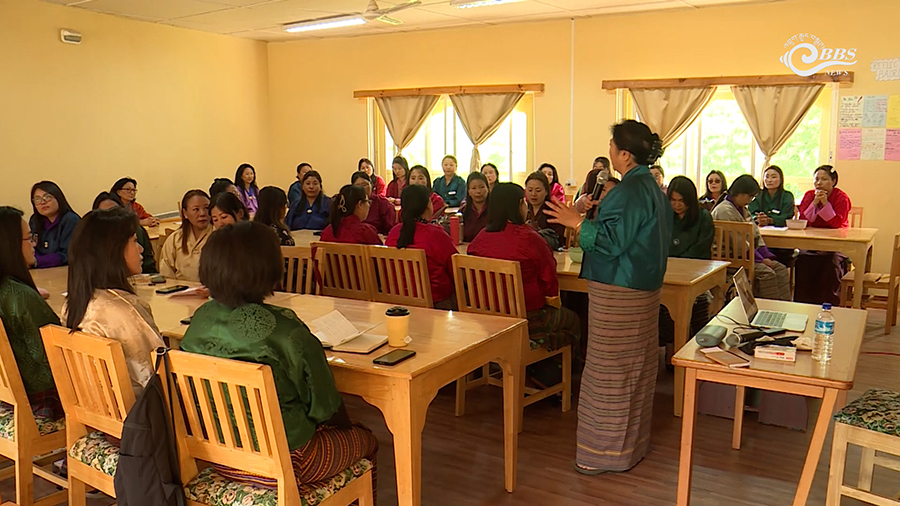 It is against this backdrop that RENEW began working specifically with female taxi drivers recently. They organise awareness sessions and training designed to help them recognise, respond to, and report abuse.
“We chose to work with taxi drivers not only because they face vulnerabilities and risks, but also because we recognise their strength and potential. They are in a unique position to create awareness and share information about the support RENEW provides and the work we are doing to empower women,” said Dolma, the director of Operations and Coordination, RENEW.
“I am a divorcee and have been carrying the responsibilities of both parents. This workshop taught me valuable lessons on balancing my work and my responsibilities as a parent, especially how to manage my time better with my child,” said Tshering Choden, a taxi driver.
“I am a single mother and a taxi driver. The three-day workshop taught me how to better manage my time with my children. It also helped me understand how to respond to verbal sexual harassment, including which authorities to contact and where to seek support,” said Nima Deki Sherpani, also a taxi driver.
Besides providing general support, RENEW is now carrying out an assessment to better understand the specific challenges and support needs of female taxi drivers. Its findings, expected soon, are intended to guide future interventions and advocacy.
“RENEW has received cases related to physical abuse, sexual abuse, economic abuse, and workplace harassment. So far, we have received a total of 597 cases, including cases involving female taxi drivers,” said Suman Pradhan, a senior counsellor at RENEW.
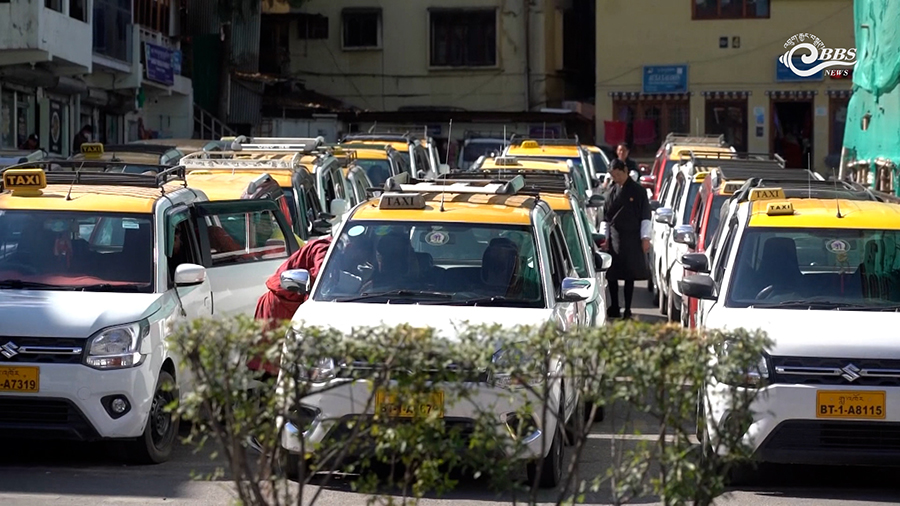 Earlier media reports state that the Bhutan Taxi Association is also intervening to ensure the safety of women taxi drivers through a pilot project to install cameras in their vehicles. It also planned women-only, location-based groups for members to reach for help during an emergency. At the national level, survivors of violence can also reach the 24-hour 1098 helpline for women and children, which offers confidential support and referrals.
For the women themselves, the support that has mattered most may be one another. Through RENEW’s sessions, drivers facing similar challenges say they have found space to share their experiences and build confidence. It has provided them a network that extends beyond the road, connecting them as colleagues, as mothers, and as women navigating the same difficult terrain.
Tashi Dekar
Edited by Sonam Wangdi